


Antique Mirror Cresting
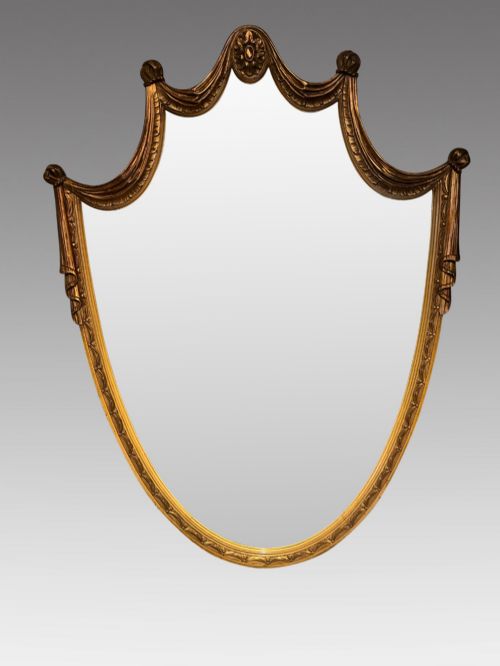
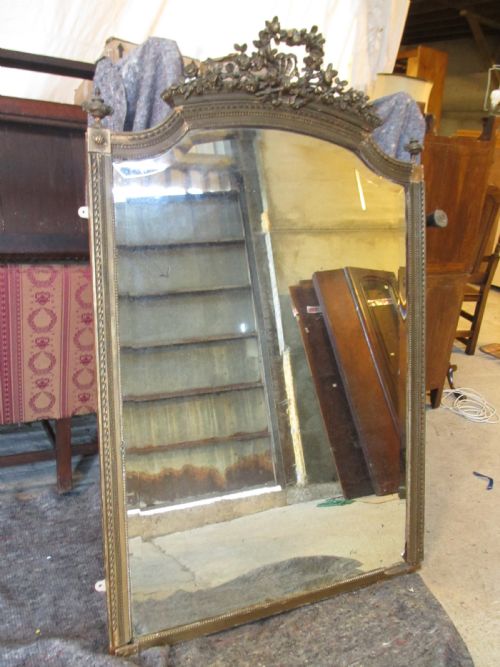
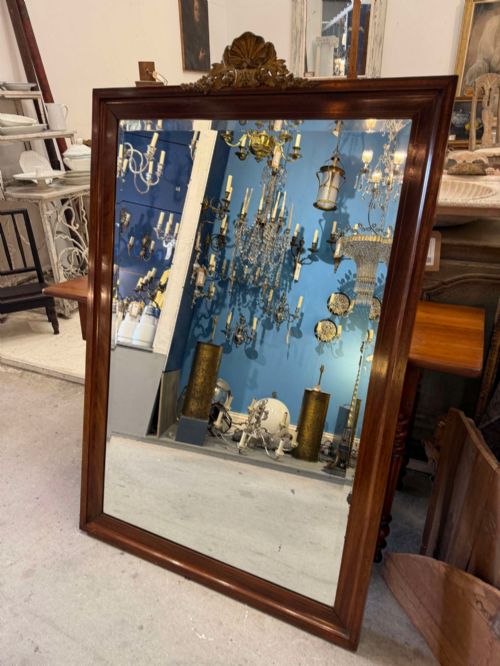
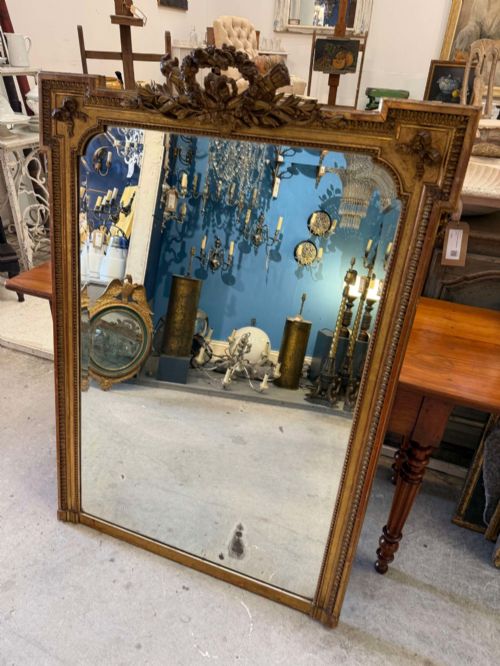
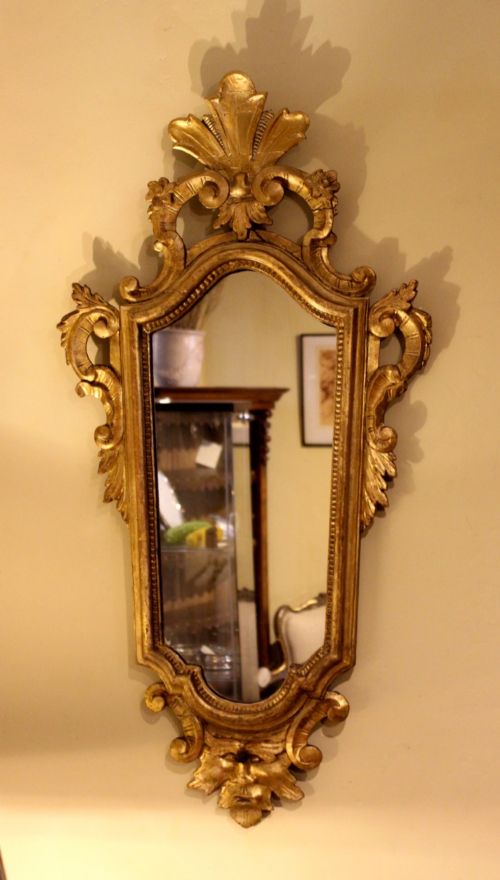
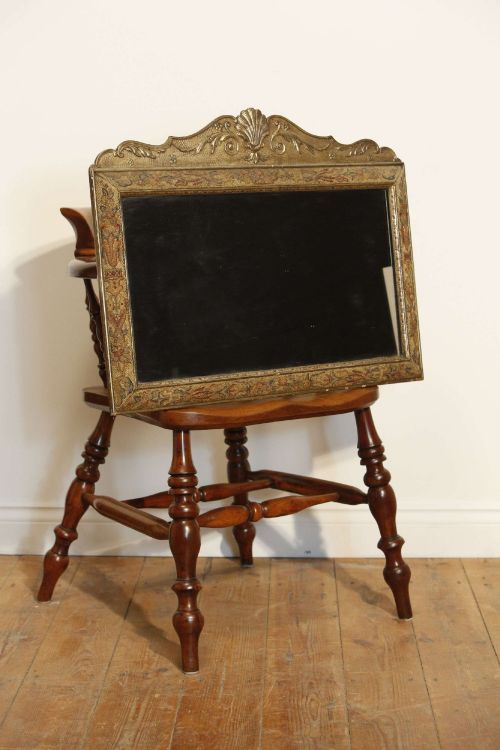
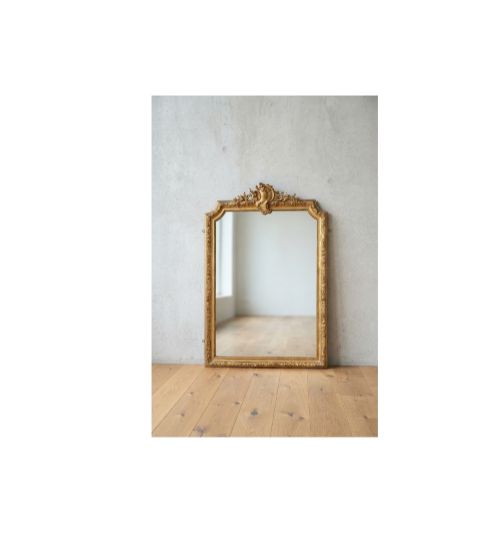
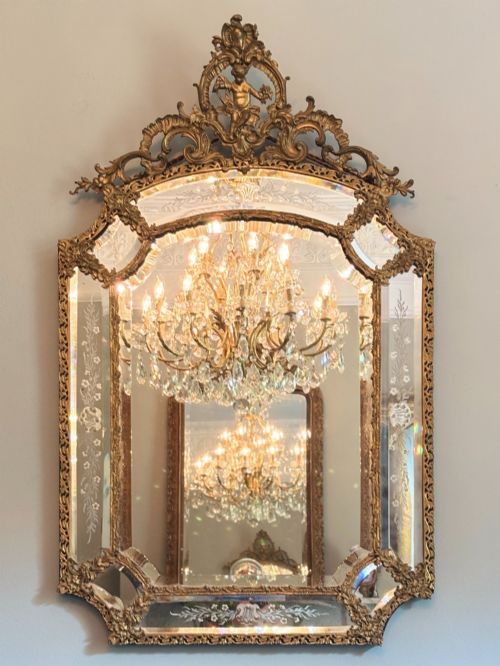
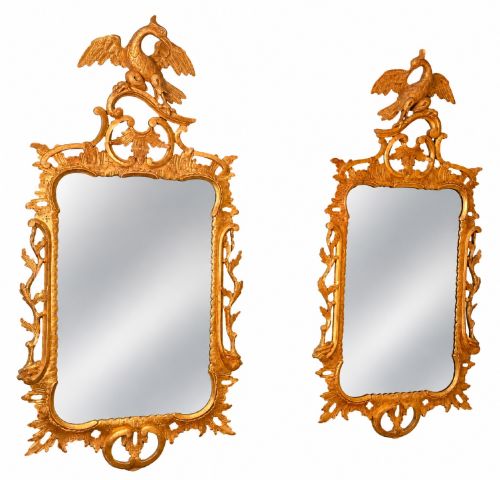
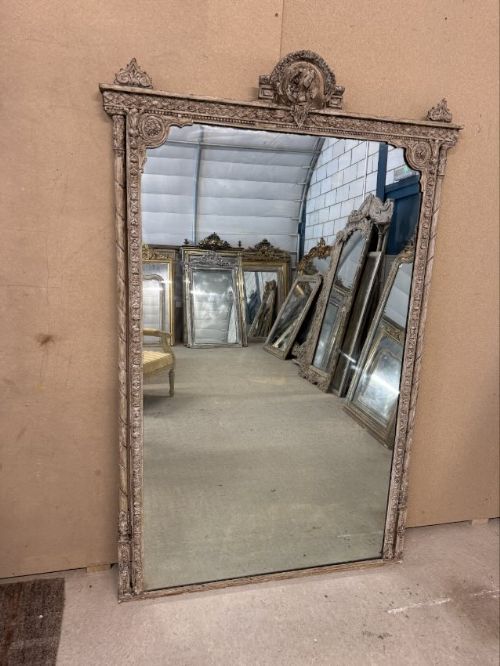
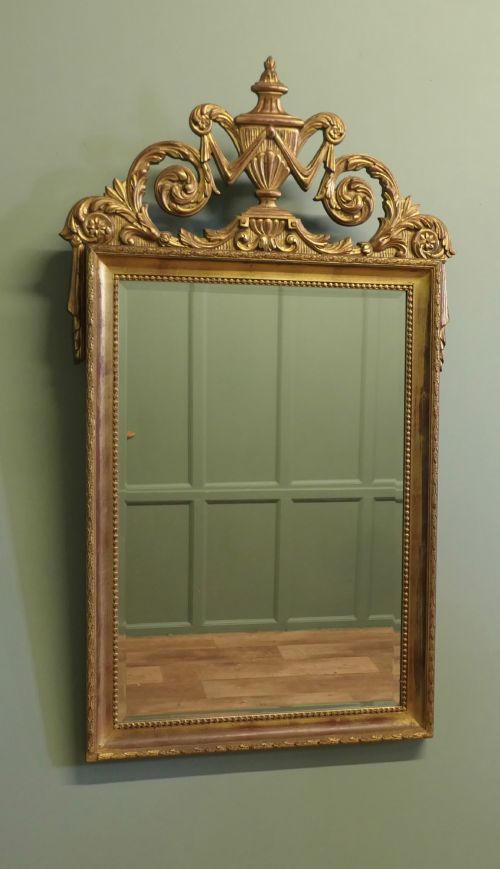
These carved and moulded timber toppieces bring character and focus to antique mirror cresting.
Antique Mirror Cresting
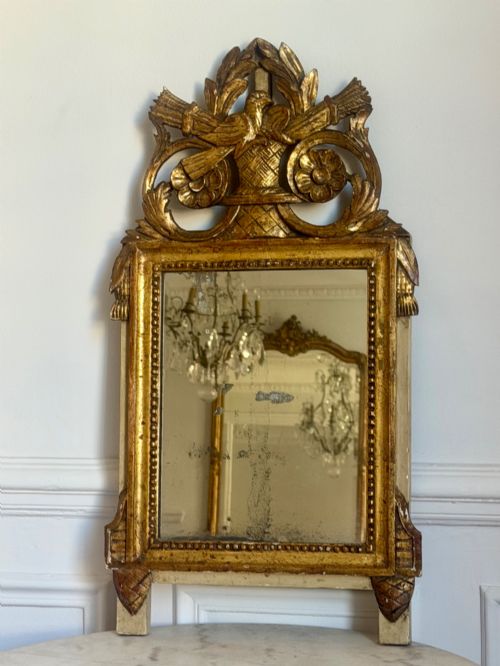
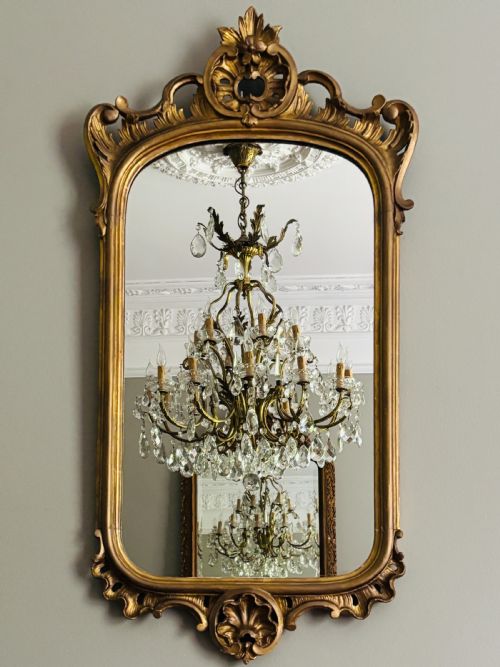
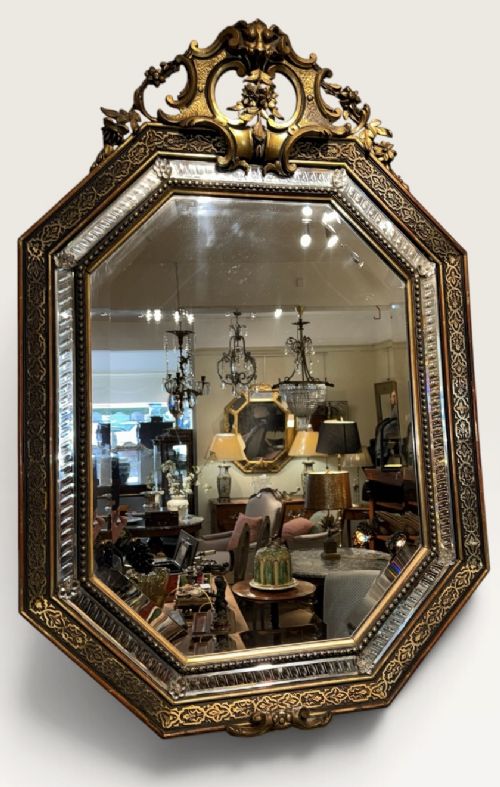
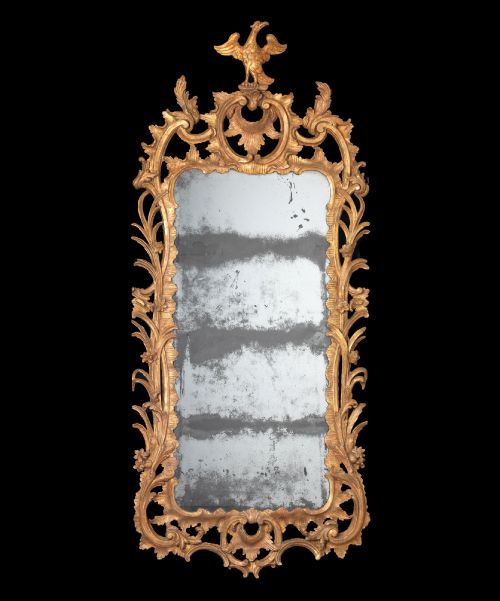
When you search for antique mirror cresting, you encounter the decorative upper sections and pediments attached to wall, overmantel, and dressing mirrors. These architectural additions finish the frame above the glass and give the piece its distinct silhouette.
The selections range across the eighteenth, nineteenth, and early twentieth centuries, featuring Regency convex forms, Victorian overmantels, and French styles such as Louis XV and Rococo Revival. Most examples rely on substantial wooden frames ornamented with carved detail.
Origins span English, French, Italian, and Syrian workshops, utilising timber structures that carry intricate plasterwork or gilding. The crest serves as the visual focal point of the entire hanging or mantelpiece mirror.
How They Were Made
Carvers shaped solid woods such as oak, mahogany, and satinwood to form the core structures and ornamental crests. Artisans applied layers of gesso over the wood base to build up sharp relief details for subsequent gilding or painting.
Gilders used gold leaf or water gilt techniques to cover the prepared surfaces, creating metallic sheens that catch the light. Mirror glass was then fitted into the rebated frames, secured with timber backs.
Antique Mirror Cresting Retail Price Guide 2026
Typical asking prices for mirror cresting among the pieces listed under this phrase on Sellingantiques today, from the lower quarter to the upper quarter. They describe what is for sale here now, not the wider market.
Carved cherubs and ribbon crests peer down from nineteenth-century mirrors, watching over centuries of quiet rooms.
What Varies in Quality
Depth and precision in hand-carved foliage, urns, and scrollwork separate exceptional decorative frames from simpler production pieces. The crispness of gesso moulding dictates how well fine relief work survives years of cleaning and movement.
The integration of the crest into the main frame structure indicates the skill of the original cabinetmaker. Higher quality examples maintain proportional balance between the decorative topwork and the mirror plate below.
Arsène Rochette of Versailles
The Antique Mirror Cresting Glossary
- Giltwood
- Wood that has been coated with gold leaf or gold paint. This finish appears frequently on nineteenth-century French and English frames.
- Gesso
- A plaster mix applied to wood surfaces to create a smooth base for carving or gilding. It allows for intricate raised details on the mirror frame.
- Overmantel
- A large mirror designed to hang specifically above a fireplace mantel. These pieces often feature elaborate crests to fill vertical wall space.
- Pediment
- The triangular or decorative upper crown of a mirror frame. It forms the primary architectural cresting above the glass plate.
- Girandole
- A wall mirror featuring attached candle sconces. The mirrored glass reflects the candlelight to brighten period rooms.
Antique Mirror Cresting: Frequently Asked Questions
What is mirror cresting?
Mirror cresting is the ornamental decoration positioned at the very top of a mirror frame. It acts as the crowning architectural feature of the piece.
These elements include carved wooden motifs, applied gesso scrolls, or specialised pediments that define the historical style of the mirror.
How do I hang a heavy overmantel mirror?
Heavy overmantel mirrors require secure wall fixings anchored directly into masonry or substantial wall studs. The weight of the timber frame and glass demands professional installation.
Ensure the hanging wire or brackets match the load capacity to support the ornate cresting safely.
How do I clean giltwood frames?
Dust giltwood frames gently using a soft dry brush to protect the delicate gold leaf or gesso surface. Avoid chemical cleaners or excessive moisture.
Liquid solutions can strip the historical metallic finish and damage the underlying plaster preparation.
How can I tell the period of a mirror?
Examine the timber species, construction methods, and the style of the carving on the crest. Regency pieces often show convex glass and classical motifs, while Victorian examples lean towards heavier gesso work.
Backboards, fixings, and the manufacturing technique of the mirror glass itself offer further clues to age.