


Antique Miniature Dress Frame
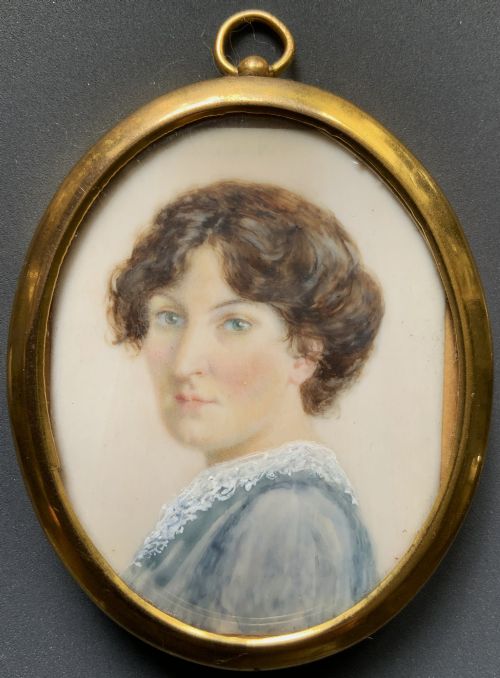
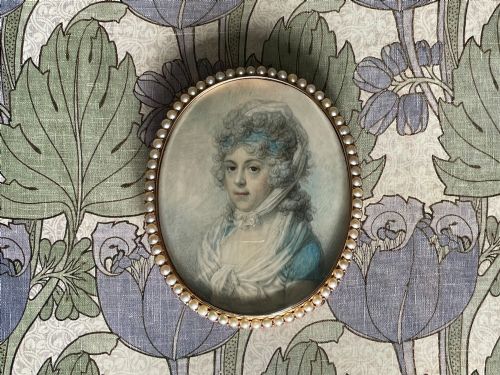
These antique miniature dress frame pieces present intimate likenesses in small formats, prized by collectors for their delicate portraiture and period mounts.
Antique Miniature Dress Frame
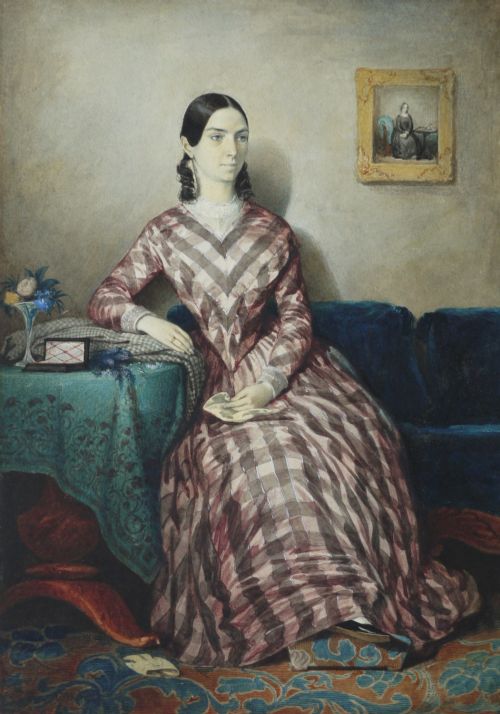
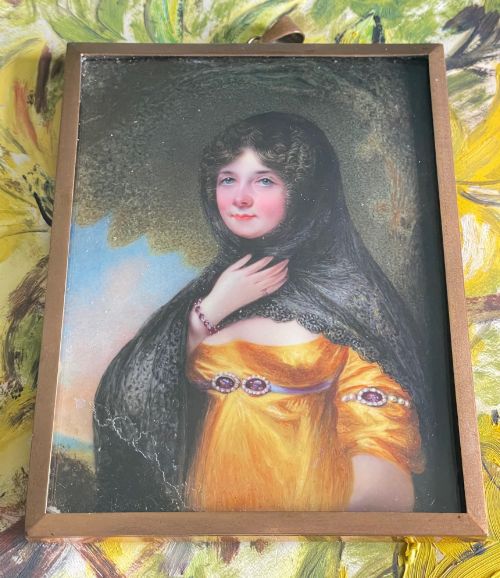
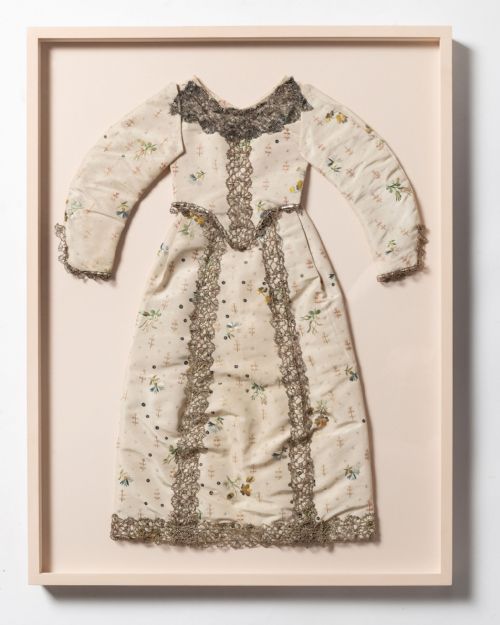
The search phrase antique miniature dress frame leads collectors to small-scale likenesses and portraits housed in period mountings, often capturing subjects in detailed attire. The selection draws predominantly from Georgian, Regency, and nineteenth-century periods, showcasing portrait miniatures alongside framed textiles and painted studies.
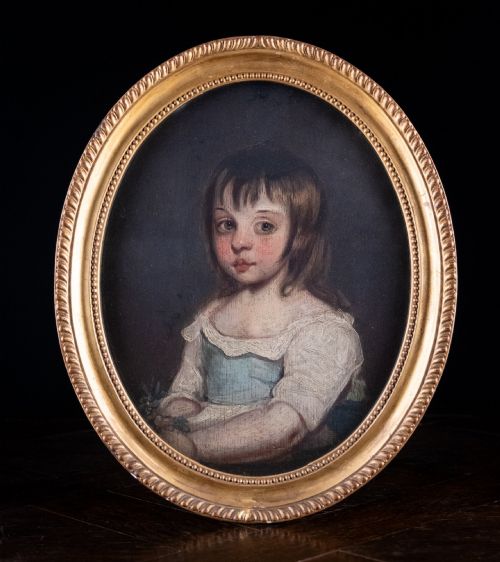
Most examples take the form of portrait miniatures or framed studies executed on paper, canvas, or porcelain. These works frequently depict notable individuals, ladies in white dresses, or children, framed in materials such as gilt metal, gilt wood, and maple.
Materials and construction methods
Artists typically worked with watercolour, enamel, pastel, and gouache on supports like paper, canvas, and porcelain. Enamel work provides a durable and vibrant surface, seen in pieces attributed to specific makers, while watercolours capture fine facial details on paper.
Frames and housings utilise gilt metal, gilt wood, or paper mache, reflecting the decorative tastes of the eighteenth and nineteenth centuries. Glazing protects the delicate pigments from dust and handling.
Subjects range from aristocratic figures linked to Lord Byron to anonymous country girls wearing coral beads.
Distinctions in quality
Quality rests in the precision of the brushwork and the psychological depth of the portrait. Master painters render textiles, lace collars, and facial expressions with remarkable clarity and subtlety.
The integrity of the original frame and mount influences the piece. Well-preserved gilt metal, ormolu, or maple frames that retain their original glass and backing hold greater historical coherence.
Horace Hone·Richard Cosway·William Egley·Susie Lassam·Henry Jacob Burch·George Perfect Harding·Francis Alleyne·Alexander Melville
The Antique Miniature Dress Frame Glossary
- Portrait miniature
- A small-scale painting, typically executed in watercolour, enamel, or gouache on ivory, vellum, or paper. These portable artworks gained popularity during the sixteenth century and remained common through the Victorian era.
- Gilt metal
- Metal that has been coated with a thin layer of gold or gold leaf. This material frequently frames miniature portraits to add decorative brilliance without excessive weight.
- Enamel
- A glassy substance fused to a metal substrate through firing, providing a durable and luminous painted surface. Enamel miniatures resist fading over centuries.
- Gouache
- An opaque water-based paint composed of pigment, water, and a binding agent such as gum arabic. It allows artists to build solid areas of colour with a matte finish.
Antique Miniature Dress Frame: Frequently Asked Questions
What is an antique miniature dress frame?
It refers to small-scale portrait artworks and framed items that often showcase historical attire and detailed garments.
These pieces capture fashion and likeness in compact formats suited for intimate display.
How were these miniature portraits created?
Artists employed watercolour, enamel, pastel, and gouache on supports like paper, canvas, and porcelain.
Protective housings incorporated gilt metal, gilt wood, and glass to preserve the delicate pigments.
Which periods do these pieces represent?
The listings feature works primarily from the eighteenth and nineteenth centuries, including Georgian, Regency, and Victorian eras.
Later examples extend into the early twentieth century, reflecting enduring interest in miniature portraiture.
How should I display miniature frames at home?
Because these items feature delicate watercolours and paper supports, keep them away from direct sunlight to prevent fading.
Their small scale allows for grouping on panelled walls or placement on specialised display stands.