




Antique Mill
When you search for an antique mill, you find a varied mix of industrial storage, treen grinders and landscape paintings.
Antique Mill
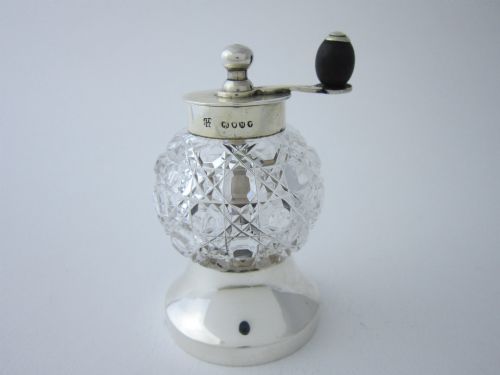
An antique mill search gathers diverse items ranging from Victorian and Edwardian industrial bins and wooden spice grinders to oil paintings and watercolours depicting historic mills. Buyers encounter practical kitchenalia like sterling silver pepper grinders alongside fine art landscapes and sturdy workshop stools.
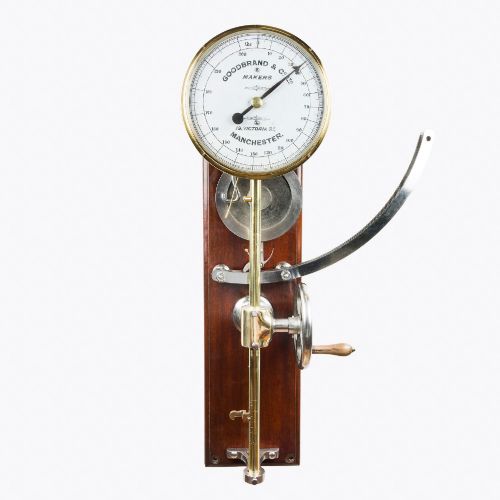
The material record spans centuries, capturing both the gritty reality of industrial sites through steel bins and yarn testers, and the romantic rural appeal shown in watercolours of Sussex and Brittany mills.
Materials and construction
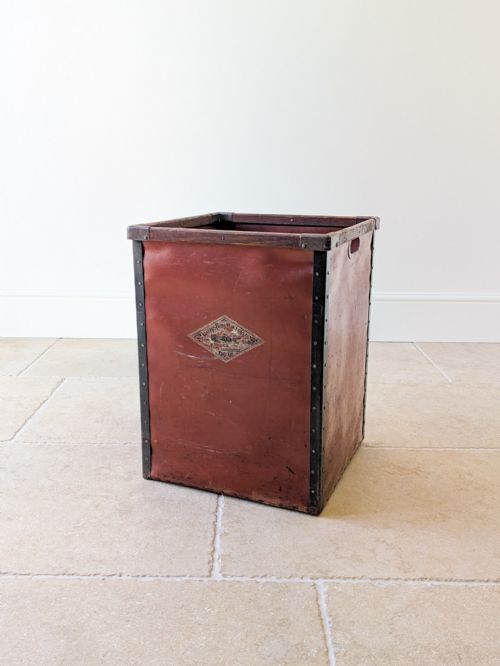
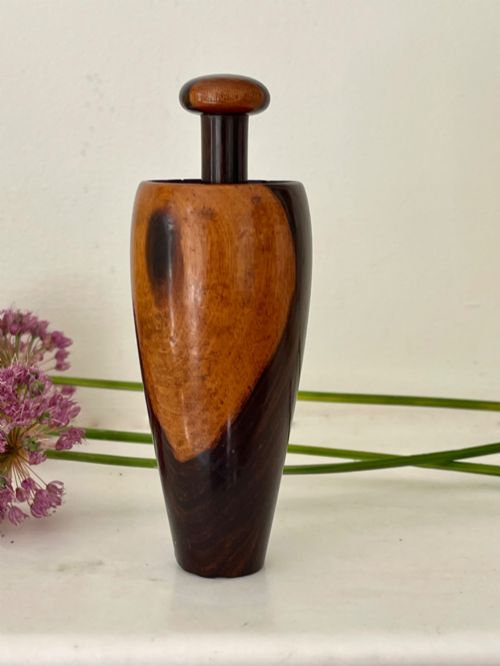
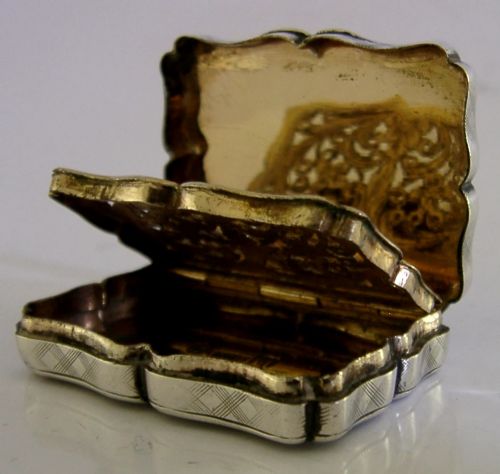
The physical objects rely on traditional craft methods, utilising solid woods like sycamore and mahogany for treen spice grinders and reading tables, alongside durable metals for silver-gilt vinaigrettes and industrial fire bins.
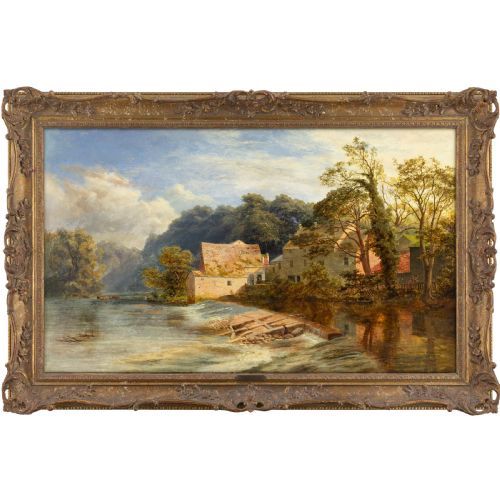
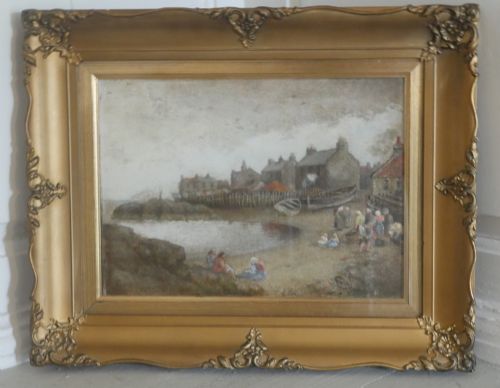
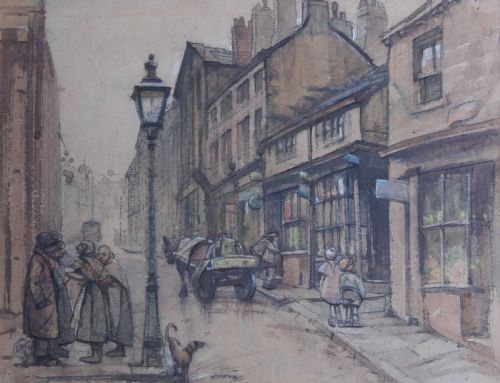
Artistic depictions employ oil on canvas and watercolour on paper to capture landscape scenes, while stone and wicker provide heavy-duty durability for mill stones and large storage baskets.
Antique Mill Retail Price Guide 2026
Typical asking prices for mill among the pieces listed under this phrase on Sellingantiques today, from the lower quarter to the upper quarter. They describe what is for sale here now, not the wider market.
One listed treen nutmeg grater takes the playful shape of a glass wine bottle.
Assessing craftsmanship
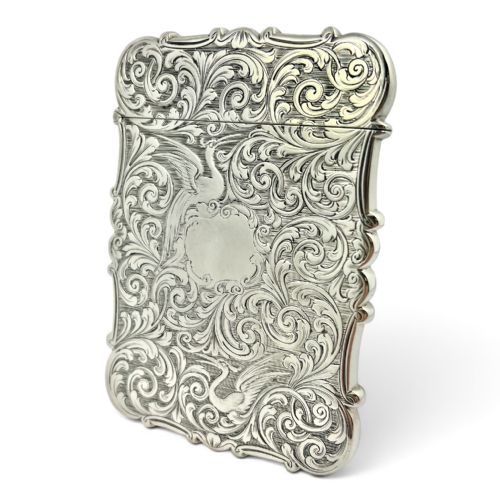
Quality rests on the fineness of execution, whether observing the crisp detail in castle top silver card cases or the skilled brushwork in original nineteenth-century oil paintings of river settings.
Condition and originality separate standard utility pieces from exceptional survivors, distinguishing untouched wooden treen surfaces and complete silver pepper grinders from heavily altered items.
Nathaniel Mills·Goodbrands and Co·Richard Arkwright Masson Mills
The Antique Mill Glossary
- Treen
- Small handmade wooden household objects and utensils. Sycamore and boxwood were frequently utilised for these domestic pieces.
- Vinaigrette
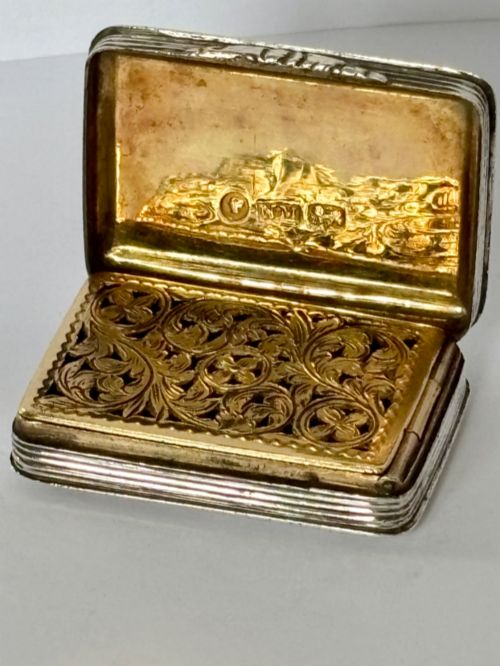
- A small ornamental box featuring an internal pierced grille to hold a sponge soaked in aromatic vinegar. These silver items were popular personal accessories.
- Kitchenalia
- Domestic culinary equipment and utilitarian kitchen items from earlier eras. Pepper grinders and spice mortars belong to this category.
- Castle top
- Silverware featuring a detailed high-relief engraving of a historic building or landmark on the lid. Nathaniel Mills produced notable examples.
- Card case
- A small rigid flat container designed for holding visiting cards. Silver models often featured elaborate repoussé or engraved decoration.
Antique Mill: Frequently Asked Questions
What materials are typical for an antique mill?
The physical items span several distinct categories, utilising solid hardwoods for domestic spice grinders and heavy metals or wicker for industrial storage bins. Silver and glass appear frequently in smaller table salt and pepper mills.
Paintings and watercolours use traditional canvas and paper mediums to record historic mills and rural landscapes across Britain and Europe.
How do I care for antique wooden treen?
Wooden spice mortars, grinders and small treen items require stable indoor humidity away from direct heat sources to prevent timber splitting. Gentle dusting with a dry cloth preserves the aged patina.
Avoid using modern cleaning sprays or soaking wooden pieces in water, as moisture damages the historic grain and dry surface finish.
Are silver pepper grinders usable today?
Victorian and Edwardian silver grinder mechanisms generally function well when cleared of old residue, though many collectors prefer to keep them purely for display. Checking the interior grinding burrs determines whether a piece remains suitable for dry peppercorns.
Polishing sterling silver exterior surfaces requires a soft cloth and appropriate silver cream to protect any delicate chasing or hallmark details.
How do I identify a 19th-century painting?
Nineteenth-century oil paintings typically show characteristic craquelure in the pigment and period stretchers behind the canvas. Canvas board supports and paper watercolours often display period framing methods and artist stamps.
Examining the reverse side frequently reveals old gallery labels, handwritten titles, or artist signatures that connect the artwork to specific locations like Yorkshire or Oxfordshire.