




Antique Milk Bowl
These antique milk bowl pieces are utilitarian dairy vessels and domestic silver sets that bring historic utility to modern rooms.
Antique Milk Bowl
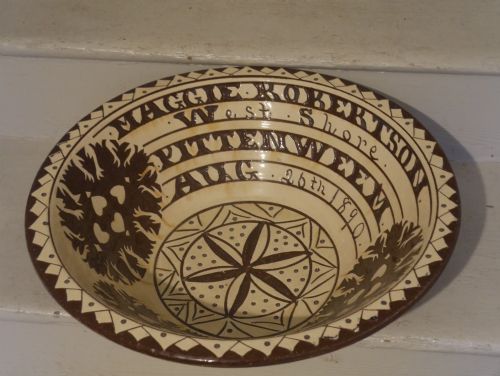
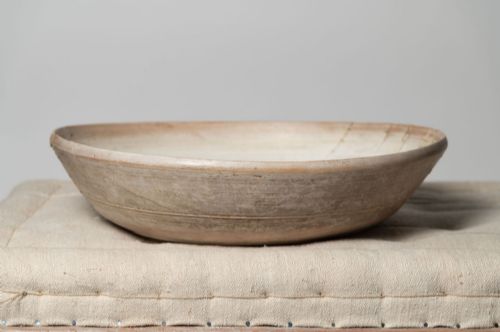
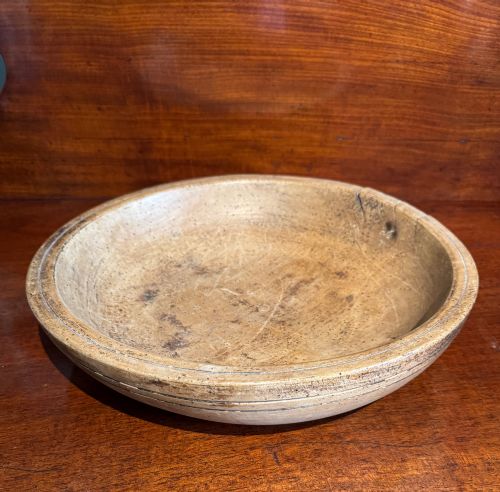
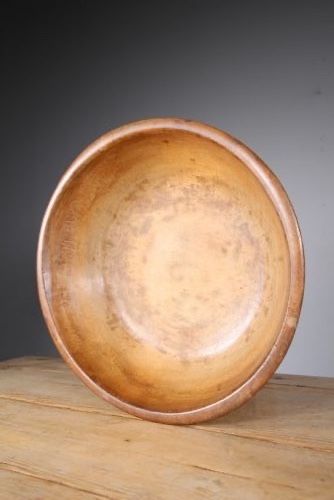
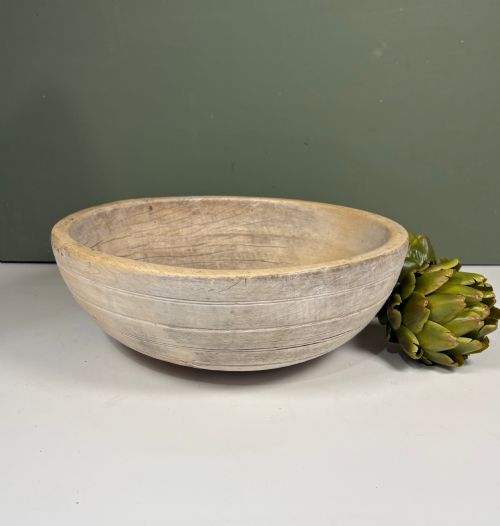
When you search for an antique milk bowl, you encounter domestic vessels and tea service components spanning the nineteenth and early twentieth centuries. These objects range from heavy wooden dairy bowls shaped for setting milk to refined silver-plated cream jugs and sugar basins.
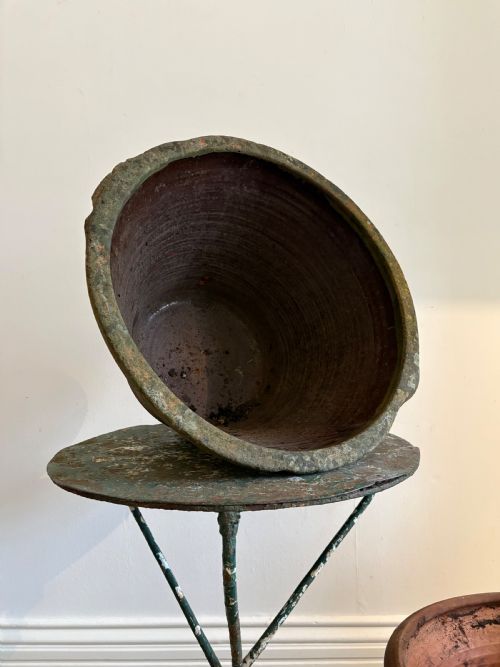
The wooden examples originate from English, Scottish, Swedish, French, and Welsh workshops, reflecting rural domestic traditions. Alongside these treen items, ceramic dairy bowls in terracotta and stoneware sit beside silver and silver-plated tea sets designed for the parlour.
Materials and construction
Wooden pieces are typically turned from native sycamore and pine, shaped to hold liquids safely in daily dairy operations. Earthenware and stoneware bowls combine terracotta or clay bodies with glazed interiors to prevent absorption.
Silver and silver-plated tea wares utilise metalworking techniques, incorporating applied casting, hammering, and detailed handle construction. Glazes on ceramic versions provide a smooth, cleanable surface for holding cream or milk.
Judging quality and craftsmanship
Quality in wooden dairy bowls rests in the integrity of the turning, the depth of the timber grain, and the preservation of the surface through decades of use. Thicker timber and balanced proportions distinguish the finer examples.
For ceramic and silver pieces, the fineness of the potting, the crispness of any applied decoration, and the preservation of the original plating or glaze determine the upper tier of the range. Maker marks and clear hallmarks also elevate the standing of metal and ceramic wares.
Scottish Seaton Pottery·Doulton Lambeth·Royal Davenport·George Fox·Robert Hennell·Samson Hancock Derby
The Antique Milk Bowl Glossary
- Sycamore
- A dense hardwood commonly utilised for turning utilitarian dairy bowls and treen. Its pale grain resists splitting under constant exposure to moisture.
- Silver plate
- A layer of silver fused to a base metal, frequently utilised for Victorian and Edwardian tea services and jug sets. This technique offered the appearance of solid silver at a lower cost.
- Stoneware
- A robust, vitrified ceramic fired at high temperatures to create an impermeable body. Stoneware dairy vessels often feature glazed interiors for hygienic liquid storage.
Antique Milk Bowl: Frequently Asked Questions
What were antique milk bowls used for?
Historic dairy bowls served as wide, shallow containers where fresh milk sat undisturbed so the cream would rise to the top for skimming.
Silver and ceramic jug sets performed a different domestic role, holding milk or cream at the dining or tea table during the Victorian and Edwardian periods.
How do I care for a wooden dairy bowl?
Keep wooden bowls away from direct heat sources and harsh sunlight to prevent the timber from drying and splitting.
Clean them gently with a damp cloth rather than submerging them in water, applying occasional food-safe oils to nourish the dry wood.
Are these ceramic bowls waterproof?
Stoneware and terracotta dairy bowls feature glazed interiors designed to hold liquids safely during historical dairy processing.
Unglazed exterior terracotta remains porous, so place protective pads underneath if using them to hold damp contents indoors.
How can I tell the age of a tea set?
Examine the base for maker marks, registration numbers, or silver hallmarks that link the piece to specific nineteenth or early twentieth-century decades.
Stylistic indicators such as ornate grapevine detailing or Art Nouveau curves also point toward distinct production eras.