
Antique Military Watch
When you search for an antique military watch, you enter a field defined by precision, service history and utilitarian design.
Antique Military Watch
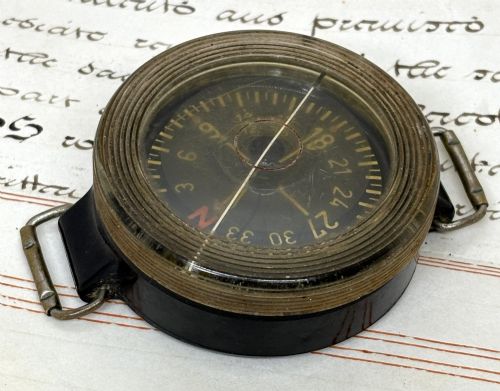
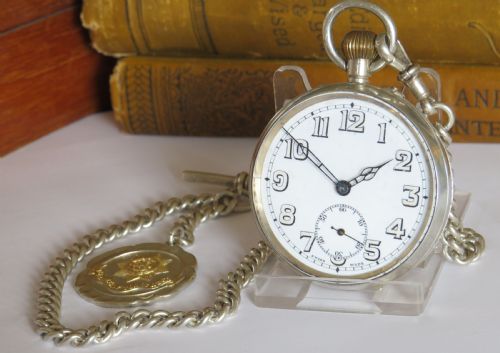
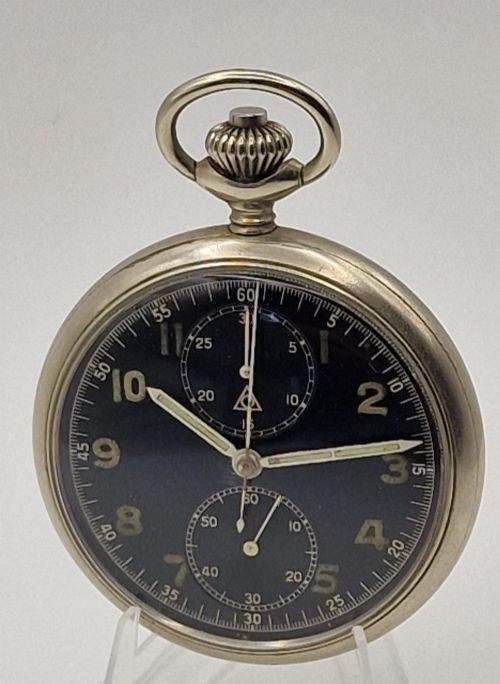
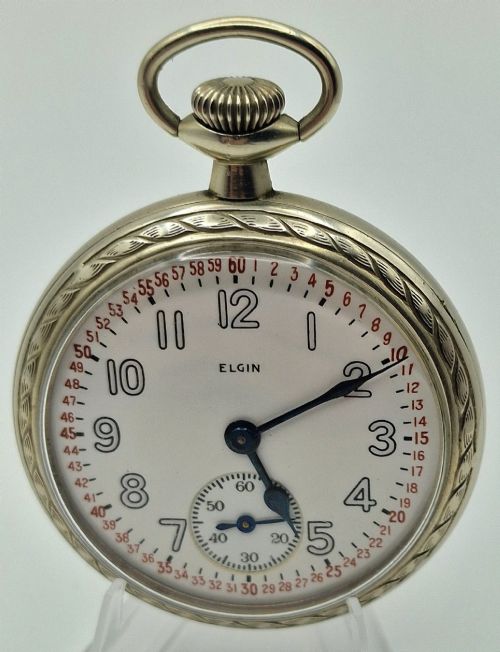
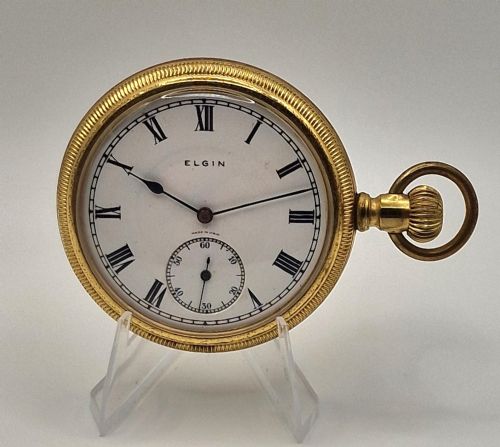
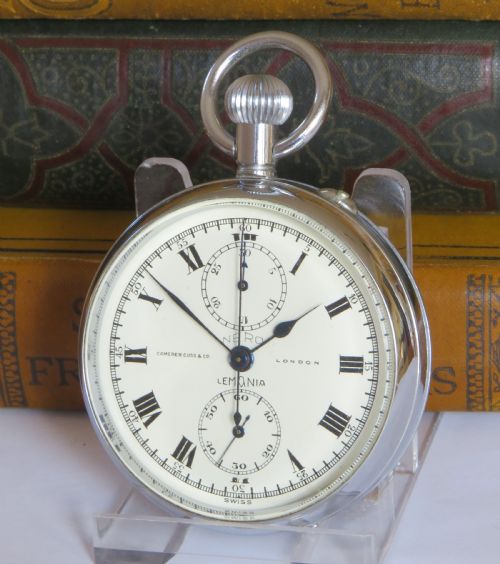
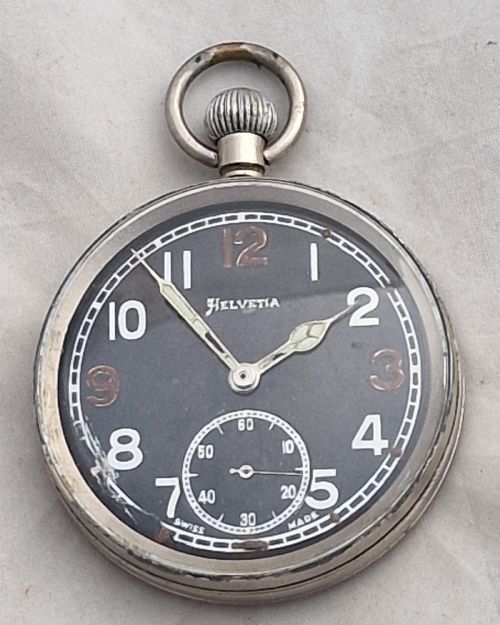
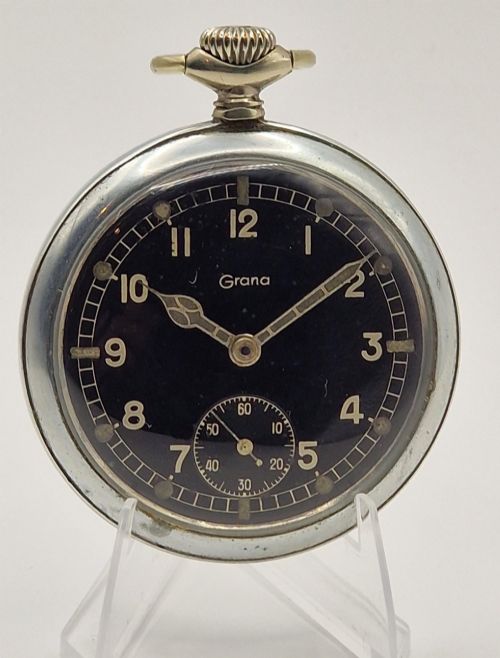
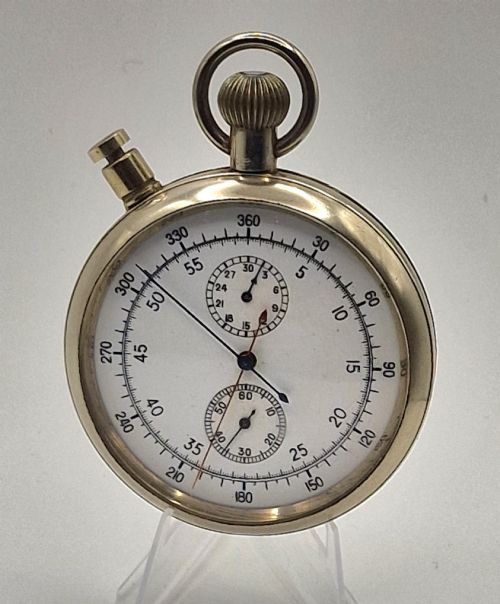
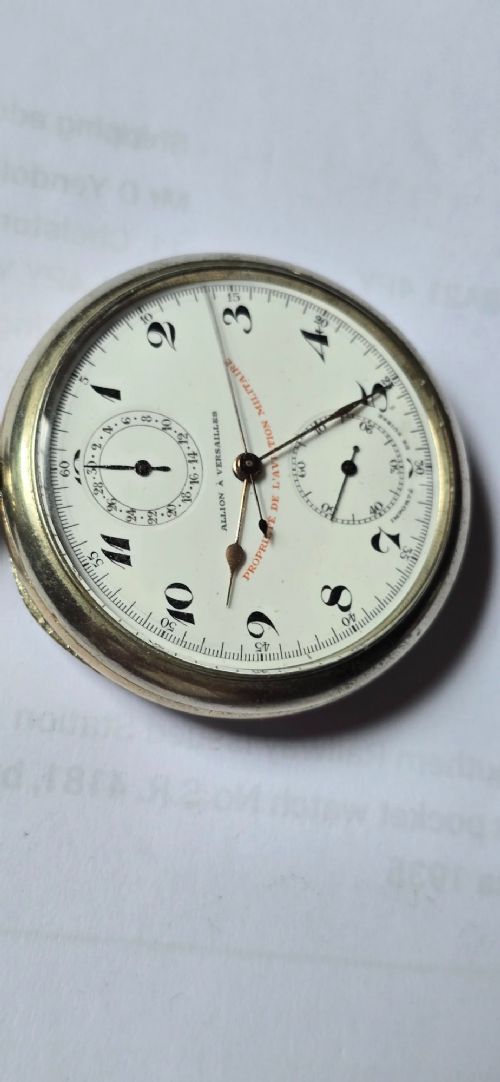
An antique military watch encompasses wristwatches, pocket watches, deck chronometers and cockpit timepieces issued to armed forces or produced for military use. The pieces span from the late nineteenth century through the Victorian and Edwardian eras, progressing into the First and Second World Wars and the mid-twentieth century. Wristwatches and pocket watches dominate the selection, often accompanied by navigational instruments and scientific gear.
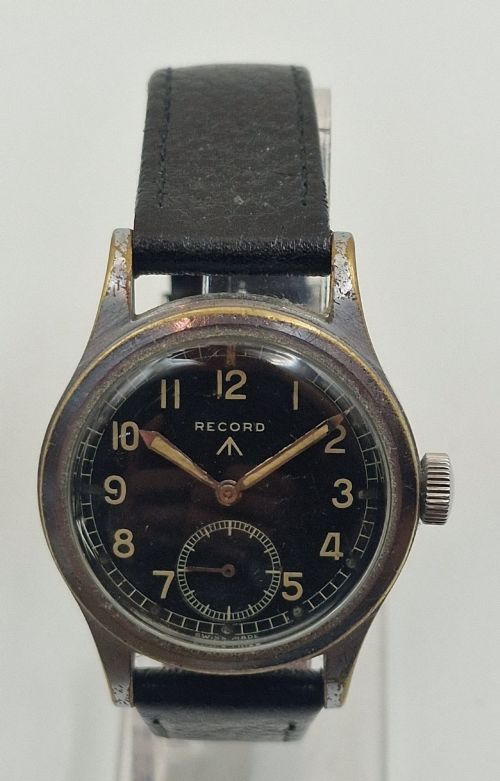
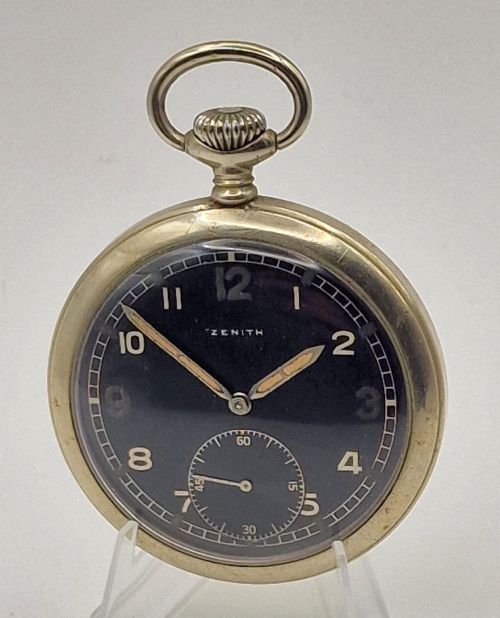
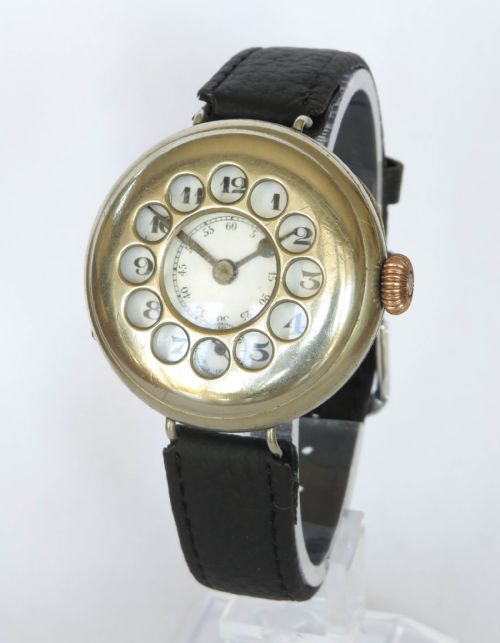
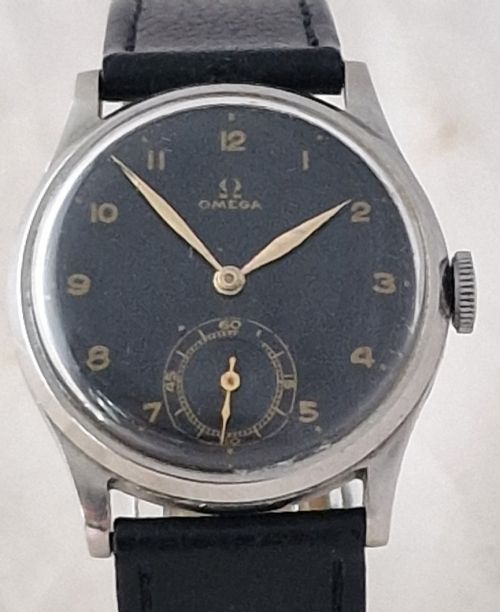
The dominant material presence on this page belongs to the 1940s, reflecting significant wartime production from the Second World War. Buyers encounter wristwatches featuring black dials, stainless steel cases and military issue markings alongside pocket chronographs and aviator instruments. First World War trench watches with shrapnel guards also appear alongside nineteenth-century silver pocket watches with military connections.
How they were made
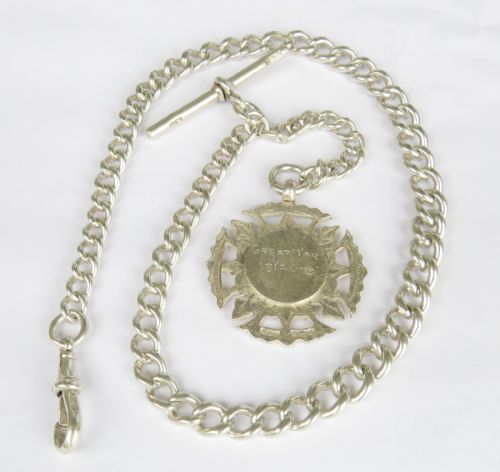
Casings utilise robust metals including stainless steel, nickel, chrome, brass and silver, chosen for durability in service conditions. Dials are protected by glass and often finished with enamel, paired with leather straps for wristwatches or silver albert chains and fobs for pocket watches.
Movements rely on mechanical calibres housed within utilitarian cases designed for legibility and accuracy in the field. Original military markings, broad arrow symbols and issue numbers are frequently stamped directly onto casebacks or dials during production.
Listings feature military timepieces spanning the 19th Century, Victorian era, Edwardian period, and the 1910s, 1920s, 1930s, 1940s, and 1950s.
What varies in quality
Quality in these timepieces rests on the preservation of original components, legible dials and distinct military provenance. Pieces retaining their original issue markings, untouched dials and matching case components stand apart from those with replaced parts or later modifications.
The sophistication of the movement also dictates the standing of a piece, from standard issue service watches to specialised chronographs and navigational deck watches. The clarity of engraving on silver watch chains and fobs similarly influences the overall character of the piece.
Helvetia·Nero Lemania·Eterna·Record·Omega·Hahn Landeron·Wagner·Zenith·Smiths·Roamer·Ebel·Voigtländer und Sohn·Ross of London·Aristo·Timor·Elliott Brothers·Tissot·J W Benson·Waltham·Buren·Denco
The Antique Military Watch Glossary
- Trench watch
- A transitional timepiece bridging the gap between pocket watches and wristwatches, developed during the First World War for use in the trenches. These often feature wire lugs and protective metal shrapnel guards over the glass.
- Chronograph
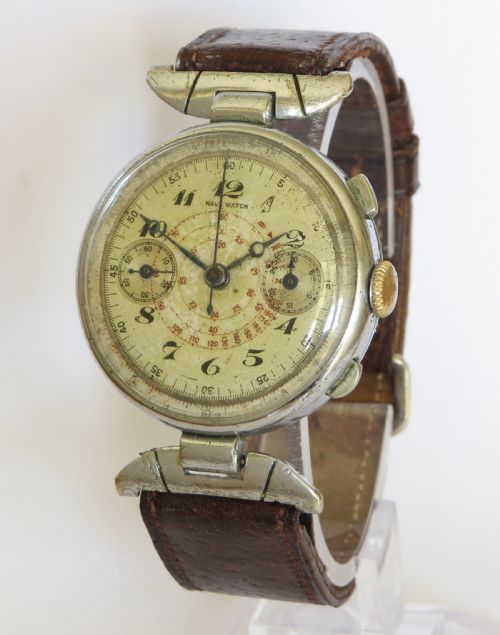
- A watch with a stopwatch function alongside standard timekeeping, utilised for timing intervals in military operations and artillery calculations. Movements include complex mechanisms operated via pushers on the case.
- Broad arrow
- A British government mark used to identify property belonging to the Crown, frequently stamped onto military watches, compasses and equipment. Its presence confirms official service issue.
- Calibre
- The internal movement or mechanism of a watch, denoting the specific design and architecture produced by the manufacturer. Collectors study calibres to trace the exact period and origin of a piece.
- Deck watch
- A large portable precision timekeeper used for navigation aboard naval vessels, maintained in a gimbaled box or carried during operations. These represent high-grade marine instrumentation.
Antique Military Watch: Frequently Asked Questions
What is a Dirty Dozen watch?
The Dirty Dozen refers to a group of twelve wristwatches supplied to the British Ministry of Defence by specific Swiss manufacturers during the Second World War. These pieces share standardised military specifications including black dials, Arabic numerals, small seconds sub-dials and stainless steel or nickel-chromium cases.
Marked with the letters WWW on the caseback alongside the broad arrow symbol, these watches were built for active service durability. They remain among the most sought-after military wristwatches on the market today.
How do I identify a First World War trench watch?
First World War trench watches are characterised by their early wristwatch architecture, typically featuring enamel dials with luminous radium or paint numerals and railroad tracks. Many include distinctive hinged or removable metal shrapnel guards designed to protect the glass from impacts in combat.
The cases are often silver or nickel with soldered wire lugs rather than spring bars, accommodating pass-through leather straps. Hallmarks inside the caseback generally date these pieces to the 1910s.
What do military issue markings mean?
Military issue markings indicate government ownership and specify the branch of service, department or intended use for a piece of equipment. These include broad arrow symbols, serial numbers and specific codes denoting army, navy or air force contracts.
For instance, RAF pilot watches carry specific department codes and serial numbers on the caseback. These stamps provide documentary evidence of a piece's history and active service deployment.
How should I care for an antique mechanical watch?
Antique mechanical watches require careful handling, regular manual winding and protection from moisture, magnetic fields and heavy impacts. Because vintage lubricants dry out over time, these movements benefit from professional servicing by a specialist familiar with historic calibres.
Leather straps should be treated gently, and pocket watches should be secured with appropriate silver chains and fobs to prevent drops. Keeping a vintage watch away from water is essential, as historic case seals rarely offer modern water resistance.