

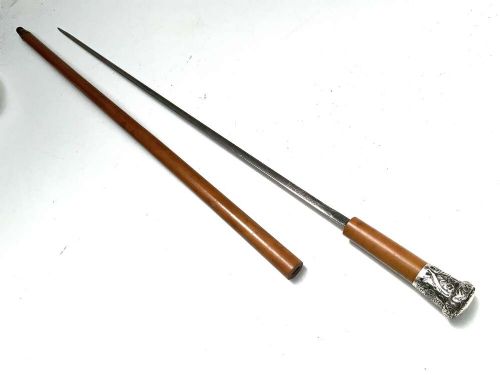


Antique Military Stick
An antique military stick carries the weight of regimental history, offering collectors a tangible link to Victorian and First World War service.
Antique Military Stick
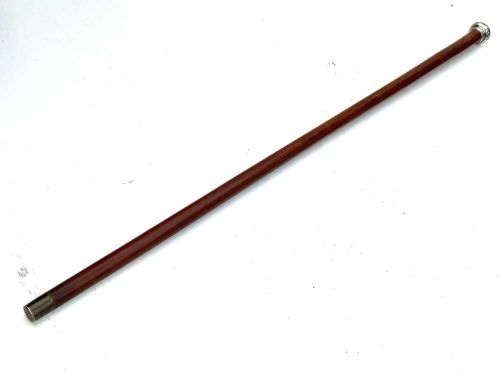
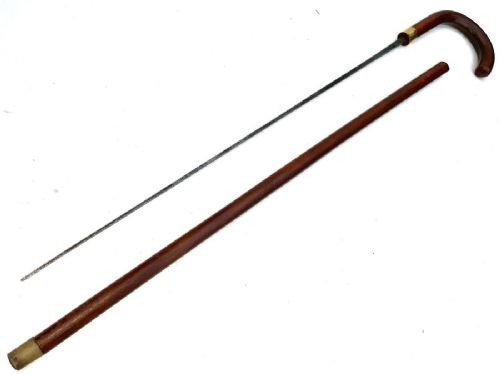
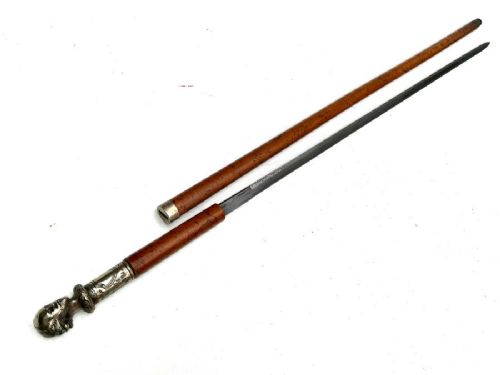
When you search for an antique military stick, you encounter functional items tied to officers and regiments from the nineteenth and twentieth centuries. The selection spans standard walking canes, swagger sticks, and concealed sword sticks alongside related military interest pieces like shell carriers and photographs.
Victorian and Edwardian examples dominate the offerings, often bearing connections to British regiments and colonial service in India. These pieces range from simple hardwood walking canes to silver-plated officer pieces and specific battalion-marked swagger sticks.
Alongside conventional walking sticks, the category occasionally encompasses related gear from the First World War era. These variations provide a broader view of military life beyond standard officer walking sticks.
How they were made
Maker construction relies on traditional materials such as hardwood, steel, brass, and leather. Artisans combined these elements to produce sturdy walking sticks and functional accessories suited for military use.
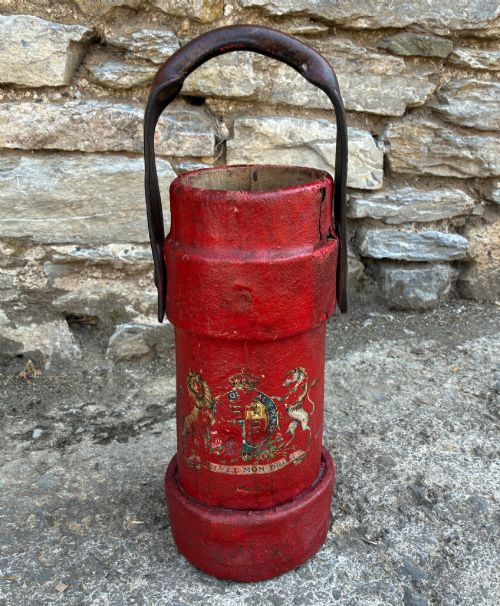
Finishing touches often included silver plating on mounts or handles, alongside specialised metal components for sword sticks and shell carriers. Leather and canvas also appear in related pieces like shell carrier stands from the First World War period.
Antique Military Stick Retail Price Guide 2026
Typical asking prices for military stick among the pieces listed under this phrase on Sellingantiques today, from the lower quarter to the upper quarter. They describe what is for sale here now, not the wider market.
Some walking sticks double as covert blades, proving that Victorian officers took their Sunday strolls with a sharp backup plan.
What varies in quality
Quality differences emerge in the execution of metalwork, silver plating, and material selection across different sticks. Superior pieces display crisper regimental details and more robust hardwood shafts.
The presence of identifiable regimental markings or named associations elevates a piece beyond standard utilitarian items. Craftsmanship in concealed blade mechanisms and mounted hardware also separates finer officer pieces from everyday military equipment.
The Antique Military Stick Glossary
- Swagger stick
- A short cane carried by uniformed officers as a symbol of authority. These pieces are typically shorter than standard walking sticks.
- Sword stick
- A walking cane containing a concealed blade within the shaft. They were utilised by officers during the Victorian and Edwardian periods.
- Cordite bucket
- A cylindrical container used for storing naval propellant charges. Examples in this category often feature leather and metal construction.
- Silver-plated
- Covered with a thin layer of silver over a base metal foundation. This finish is frequently found on the mounts of officer walking sticks.
Antique Military Stick: Frequently Asked Questions
What is an antique military stick?
An antique military stick is a cane, swagger stick, or sword stick associated with officers and regiments from the nineteenth and twentieth centuries. These items reflect the personal gear and ceremonial equipment of military personnel.
They encompass pieces from the Victorian era through the First World War, often marked by regimental history or colonial service connections.
How were swagger sticks used?
Swagger sticks were carried by officers under the arm as a traditional symbol of rank and authority rather than for physical support. They formed part of the prescribed turnout for military personnel.
Officers kept them during drills and off-duty strolls, maintaining a smart military bearing in garrison towns and abroad.
What materials are common?
Common materials include dense hardwoods, steel blades, brass fittings, and silver plating. Related items from the period also incorporate leather and canvas elements.
These durable substances ensured the sticks and carriers withstood active service conditions and garrison life.