

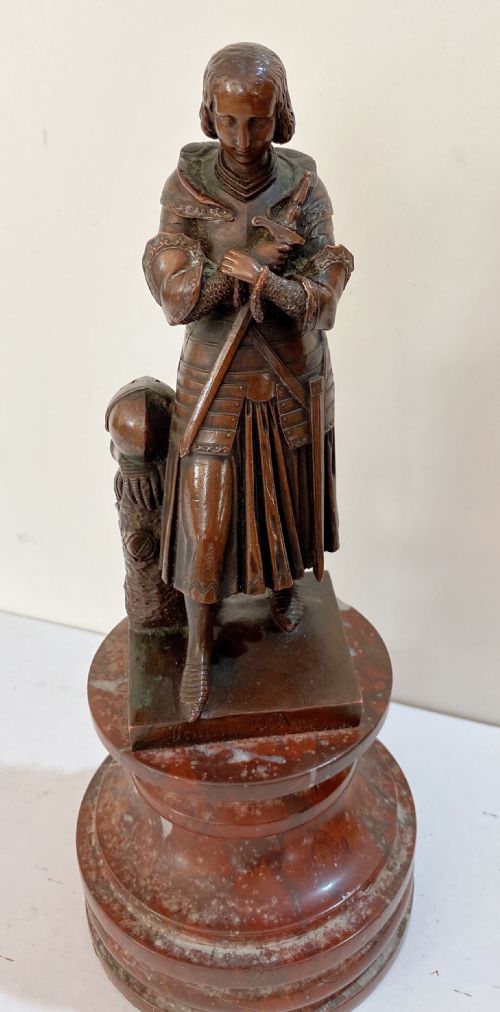


Antique Military Figurine
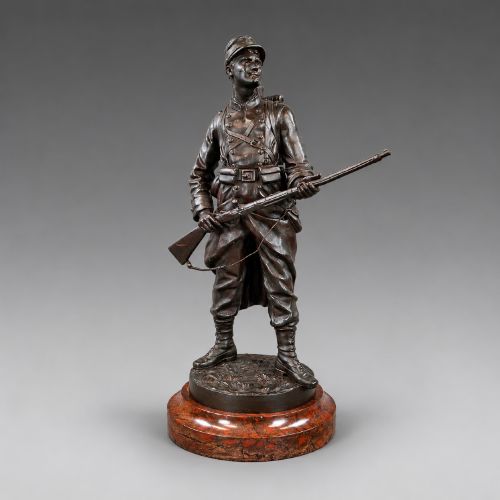
An antique military figurine captures figures from campaigns past in bronze, pottery or brass, offering a tangible link to history for the collector's desk or shelf.
Antique Military Figurine
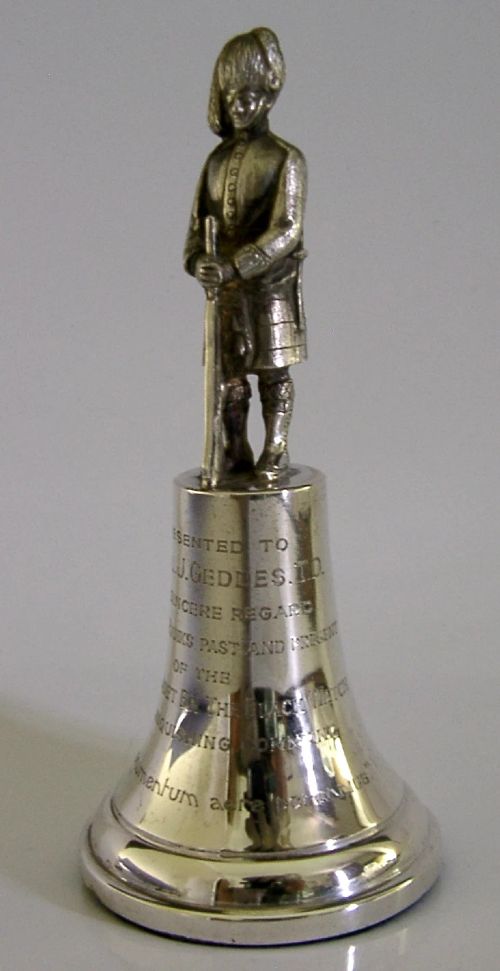
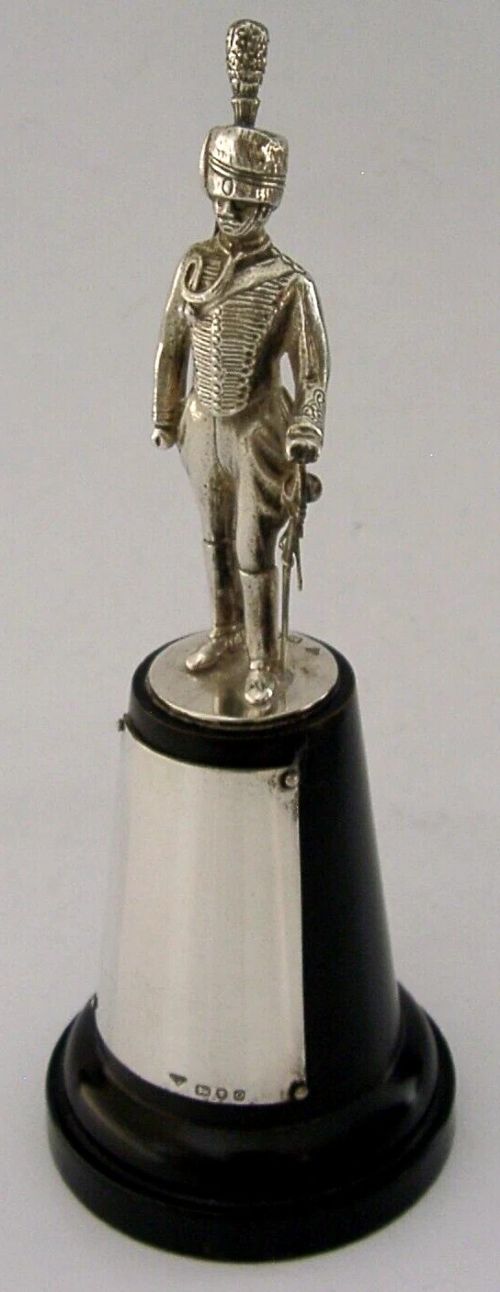
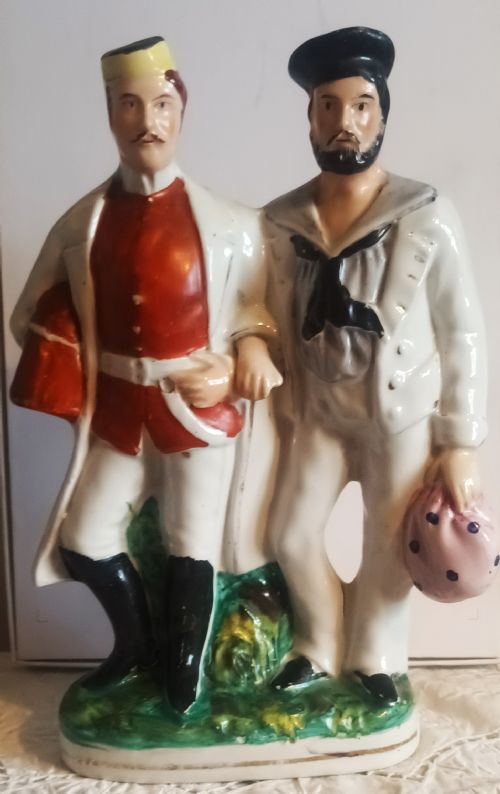
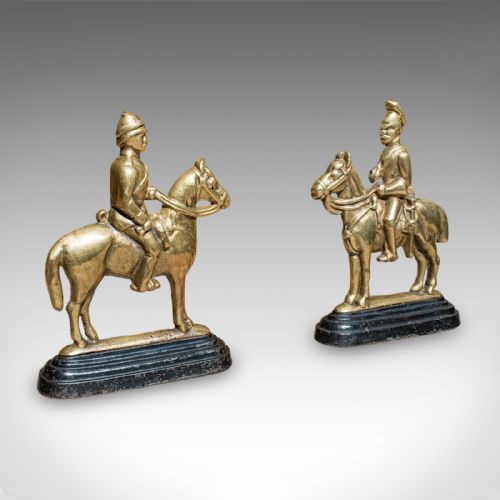
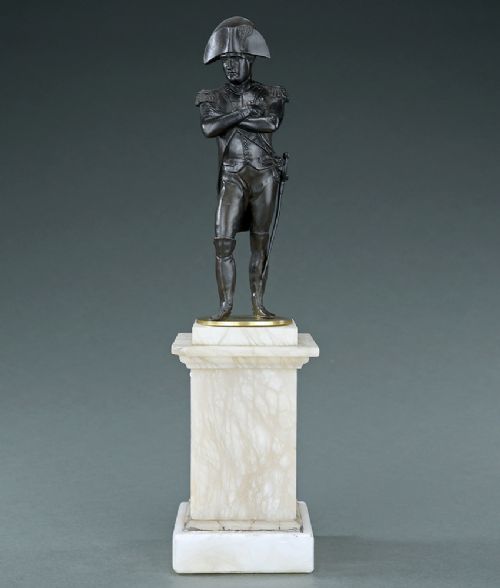
When searching for an antique military figurine, buyers encounter representations of soldiers, commanders and historical personages cast in bronze, modelled in earthenware or formed as brass doorstops and bookends. The Victorian era dominates the selection, bringing forth Staffordshire pottery portrait figures of generals and monarchs alongside French and Austrian bronzes.
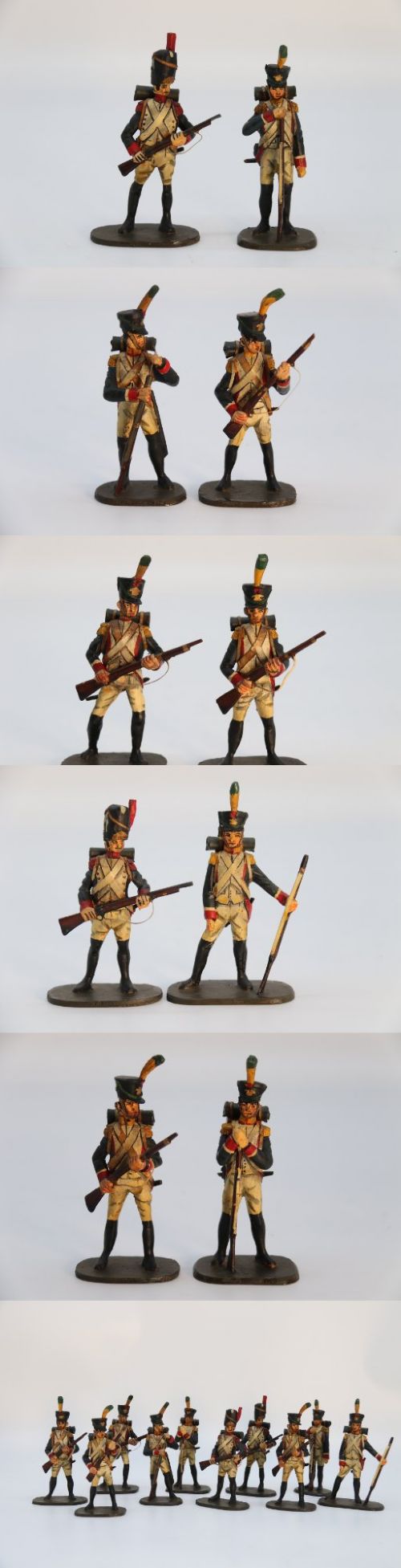
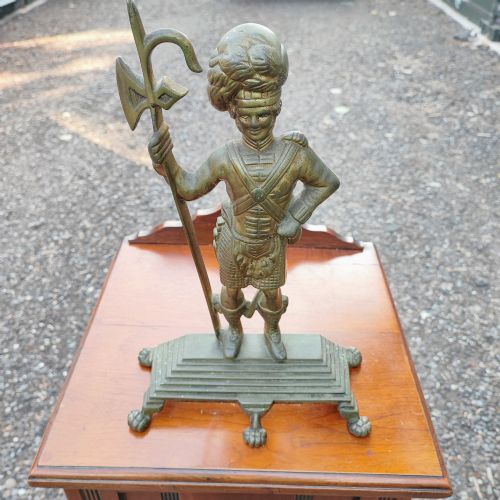
Subjects range from Napoleonic soldiers and French cavalrymen to Scottish guards and Russian policemen. These pieces function as decorative figures, book rests or functional door stops while recording the military dress and historic personages of the nineteenth century and early twentieth century.
Materials and Construction
Bronzes are cast using traditional methods and often finished with cold-painting, showing the detailed uniforms of Napoleon, Saladin or St. Petersburg policemen. Makers utilised spelter and brass for figures like cavaliers and Scottish soldiers, achieving sturdy construction suitable for door stops and bookends.
Staffordshire pottery figures employ earthenware shaped in moulds, then decorated with lead glaze and hand painting to depict British and European military leaders. Wood is also utilised for hand-carved and painted sets of soldier figures dating to later periods.
Antique Military Figurine Retail Price Guide 2026
Typical asking prices for military figurine among the pieces listed under this phrase on Sellingantiques today, from the lower quarter to the upper quarter. They describe what is for sale here now, not the wider market.
Elephants bearing Alexander the Great remind us that antique military figurines could occasionally take a remarkably exotic turn.
Distinctions in Quality
Staffordshire earthenware pieces rely on the clarity of the modelling and the preservation of the hand-painted glazes, where portrait likeness and strong enamel colours distinguish the finest commemorative figures.
Emile Guillemin·E.H. Dumaige·Fabergé·Meissen·C. Anfrie
The Antique Military Figurine Glossary
- Cold-painted bronze
- Bronze sculpture finished with oil-based paint applied after the casting cools, rather than patinated by heat. This technique allows for vivid uniform colours on figures.
- Staffordshire pottery
- Earthenware figures produced in the Staffordshire potteries during the nineteenth century. These pieces often honour admirals, generals and monarchs with named titles on the base.
- Spelter
- An alloy of zinc and copper used as a less expensive alternative to bronze. It appears in nineteenth-century soldier figures and requires careful handling due to its brittle nature.
- Door stop
- A heavy functional object designed to hold doors open. In this category, brass and iron military figures serve this practical purpose alongside their decorative display.
Antique Military Figurine: Frequently Asked Questions
What periods do these military figures cover?
The pieces span the nineteenth century and early twentieth century, with a strong concentration of Victorian examples. Dates range from mid-century productions up to the nineteen-thirties.
Collector options include Staffordshire portrait figures, French Napoleonic bronzes and Russian cold-painted works from various military campaigns.
How were Staffordshire figures displayed?
Staffordshire pottery figures served as mantelpiece ornaments in Victorian homes. They commemorated contemporary heroes, battles and royalty for the middle-class parlour.
Subjects ranged from British admirals to foreign leaders like Napoleon III, often identified by inscriptions on the ceramic base.
Are bronze figures marked?
Many nineteenth-century bronzes carry the signature of the sculptor or the foundry stamp on the base. Signatures link pieces to known makers like Emile Guillemin or C. Anfrie.
Unsigned pieces rely on style, casting quality and subject matter to indicate their French or Austrian origin.
How do I care for cold-painted bronze?
Cold-painted bronze requires dust removal with a soft, dry brush. Moisture damages the oil-based paint layers applied over the metal.
Keep these figures away from direct sunlight and humidity to preserve the delicate hand-painted uniform details.