




Antique Military Armour
Antique military armour captures the martial prestige of past centuries through finely rendered portraits and rare protective gear.
Antique Military Armour
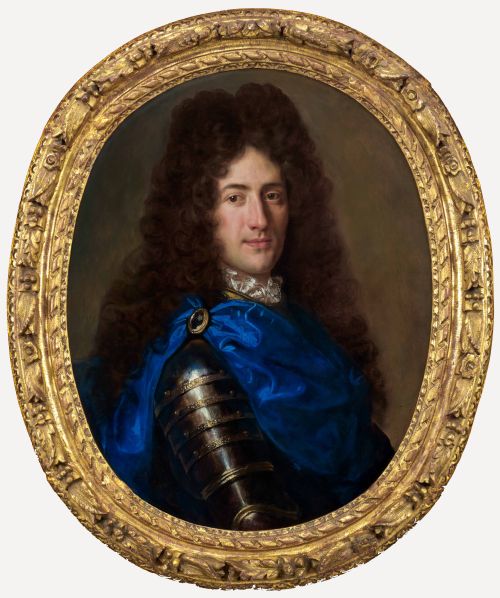
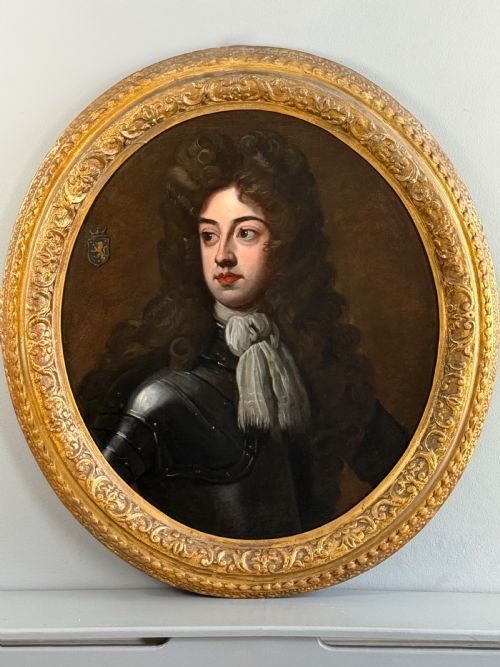
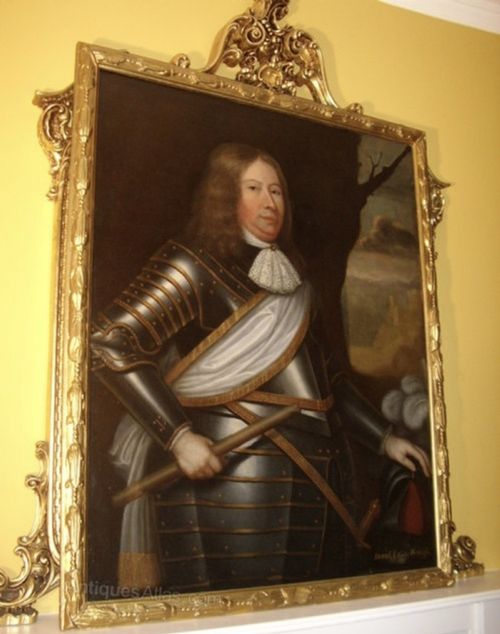
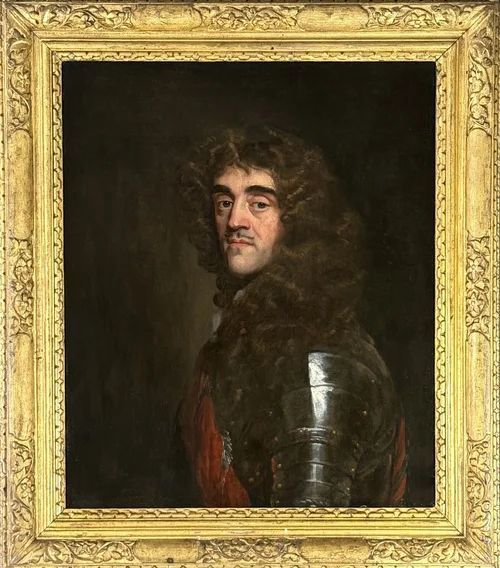
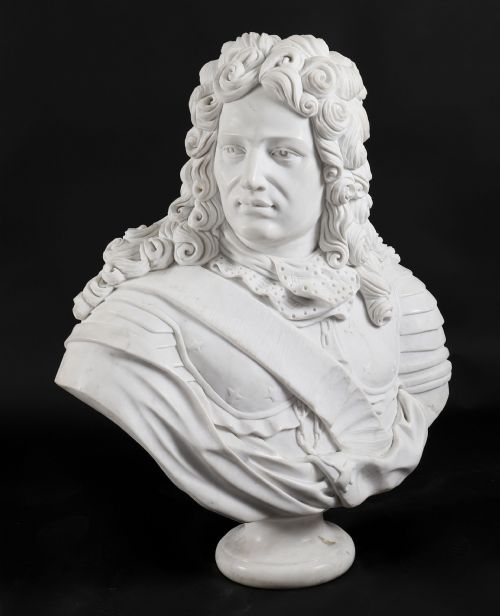
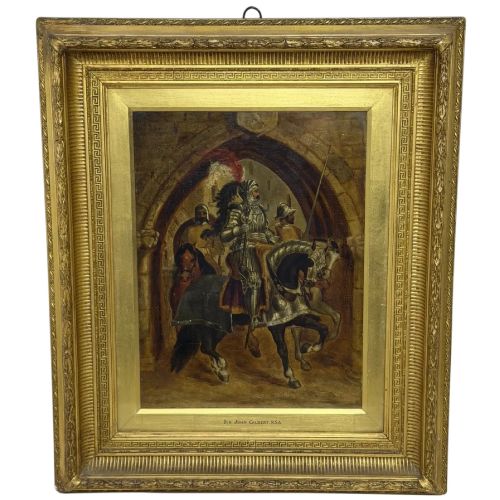
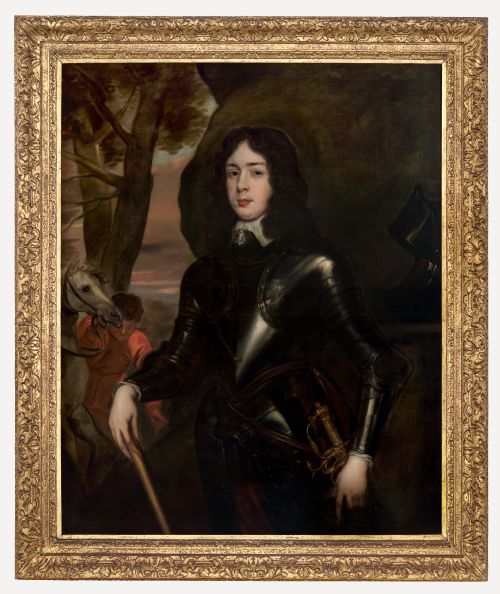
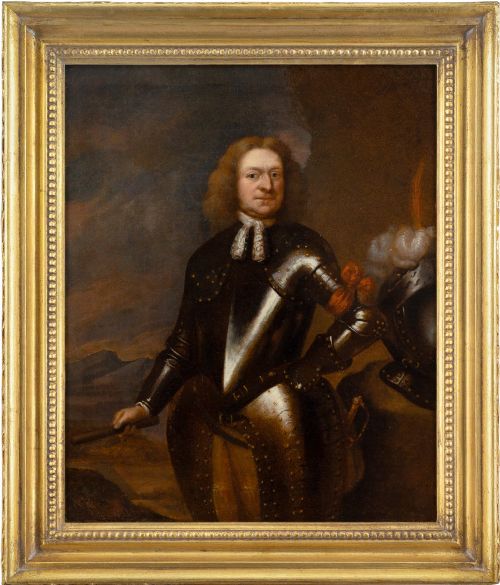
When searching for antique military armour, buyers encounter a selection dominated by oil paintings and prints depicting officers, noblemen, and commanders outfitted in historical breastplates and suits of steel. These works span the sixteenth, seventeenth, eighteenth, and nineteenth centuries, featuring subjects rendered by various European schools and artists.
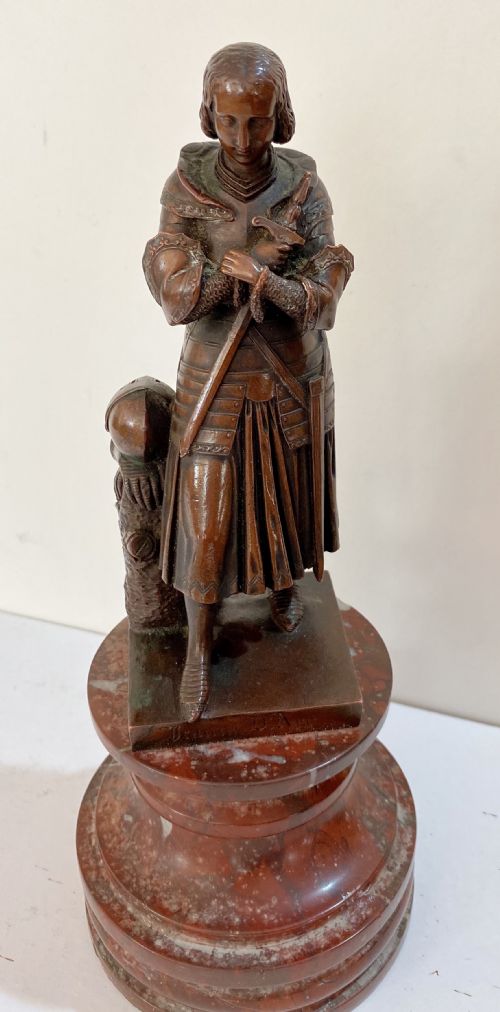
Alongside canvas portraits, the category includes sculptural representations such as bronze figures and physical protective equipment like nineteenth-century French cuirasses. The pieces record the changing face of military leadership and elite status across different European courts and conflicts.
How they were made
The visual record of antique military armour relies primarily on oil paint applied to canvas, often supported by giltwood frames, alongside works executed in charcoal, pencil, and print formats like mezzotint on paper. Sculptural pieces utilise cast bronze to capture the sheen of metalwork and the texture of fabric and leather components.
Makers employed traditional layering techniques for oil paintings, building depth in the depiction of polished steel pauldrons, gorgets, and helmets. Metal objects involved forging and casting methods suited to functional or ceremonial military equipment.
Antique Military Armour Retail Price Guide 2026
Typical asking prices for military armour among the pieces listed under this phrase on Sellingantiques today, from the lower quarter to the upper quarter. They describe what is for sale here now, not the wider market.
Materials documented across the collection include oil on canvas, gilt wood, paper, bronze, and charcoal.
What varies in quality
Quality in these pieces depends on the precision of anatomical rendering and the skill with which light reflects off metallic surfaces like steel breastplates and helmets. Works attributed to established circles, studios, or named portraitists demonstrate superior handling of fabric folds, facial expression, and background details such as horses or encampments.
The preservation of the original canvas, the clarity of print impressions, and the crispness of bronze casting separate standard examples from finer works. Historical documentation and identifiable sitters also elevate the significance of individual items.
John Smith·Sir Godfrey Kneller·JOHN GREENHILL·Sir John Gilbert RA·Sir Anthony van Dyck·David Scougall·Nicolas De Largillière·Samuel cooper·John Closterman·Jean-Baptiste Santerre·Samuel van Hoogstraten
The Antique Military Armour Glossary
- Cuirass
- A piece of armour consisting of a breastplate and backplate fastened together. It protected the torso of cavalry officers and heavy troopers.
- Mezzotint
- A printmaking process of the print famille where the image is worked from dark to light on a roughened copper plate. This technique allows for subtle tonal gradations.
- Baroque
- An artistic style prevalent in the seventeenth and eighteenth centuries characterised by drama, exuberant detail, and grandeur. Portraits from this period often display theatrical military posturing.
- Giltwood
- Wood that has been covered with a thin layer of gold leaf or powder. It frequently frames oil paintings of this era.
- Provenance
- The chronological history of the ownership of a piece. It establishes authenticity and historical context.
Antique Military Armour: Frequently Asked Questions
What periods do these pieces cover?
The available items span from the sixteenth century through the nineteenth century, encompassing Renaissance, Baroque, and Victorian eras.
Most painted portraits date from the seventeenth and eighteenth centuries, while sculptural and physical armour examples extend into the nineteenth century.
Are these pieces painted from life?
Some portraits were painted during the sitters' lives by contemporary studio artists, while others represent later interpretations or posthumous records.
Attributions to specific circles and schools indicate the artistic lineage behind each canvas.
What materials are commonly used?
Paintings utilise oil on canvas, often housed within giltwood or wood frames, alongside works on paper.
Three-dimensional items employ cast bronze and physical steel components such as cuirasses.
How do I identify the rank of the sitter?
Sitters are typically identified through inscriptions, historical records, and the specific style of armour or dress they wear. Officers and nobility are often depicted with sashes, medals, or ceremonial batons alongside their steel breastplates.