

Antique Militaria
These pieces of antique militaria span centuries of combat, parade and service, offering collectors tangible fragments of military history.
Antique Militaria
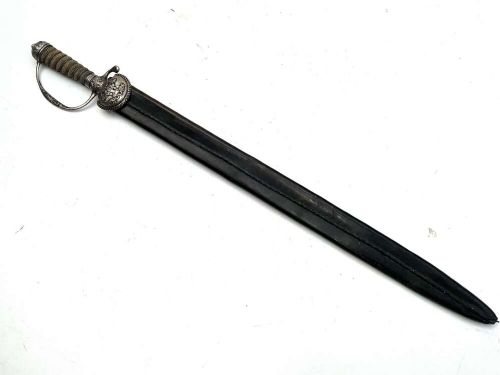
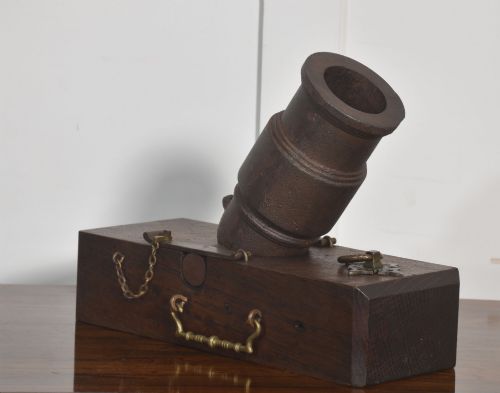
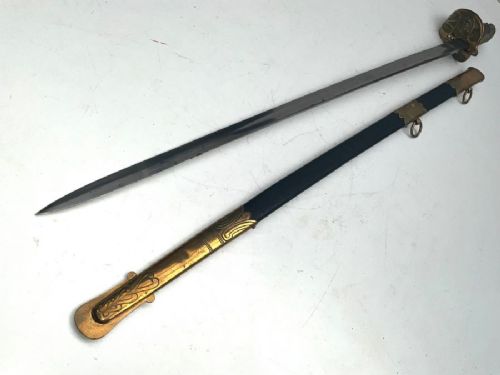
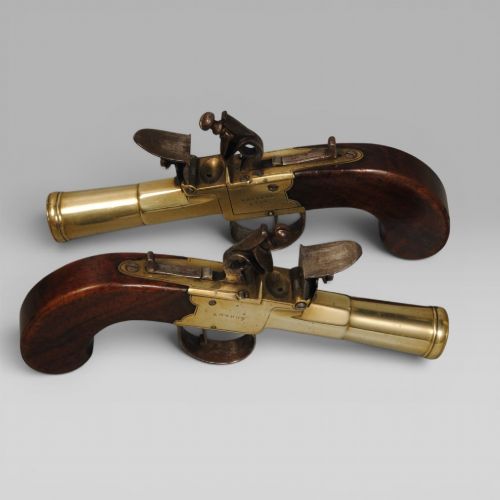
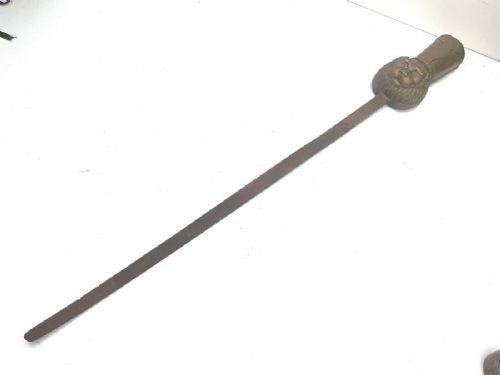
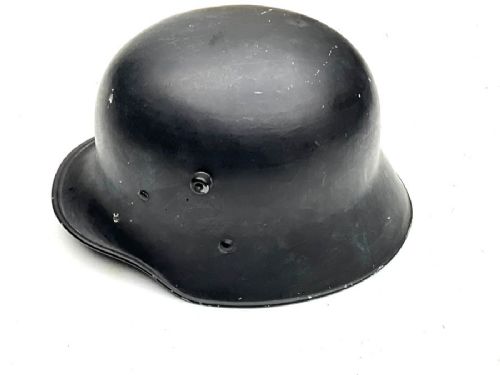
When you search for antique militaria, you encounter a diverse array of martial equipment spanning from pre-sixteenth century arms to twentieth-century field gear. The selections on this page range widely, encompassing edged weapons like swords and daggers, early firearms, protective headwear, and signal ordnance.
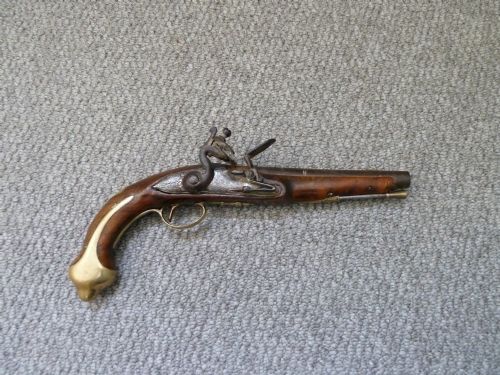
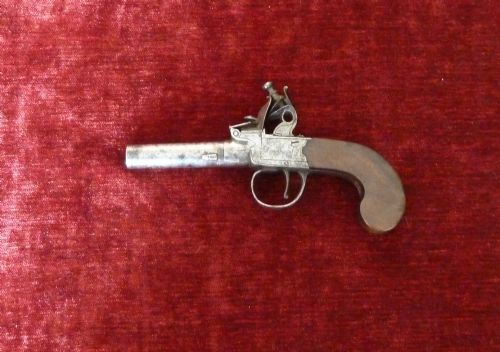
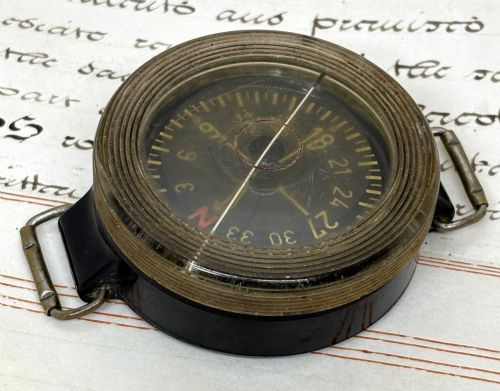
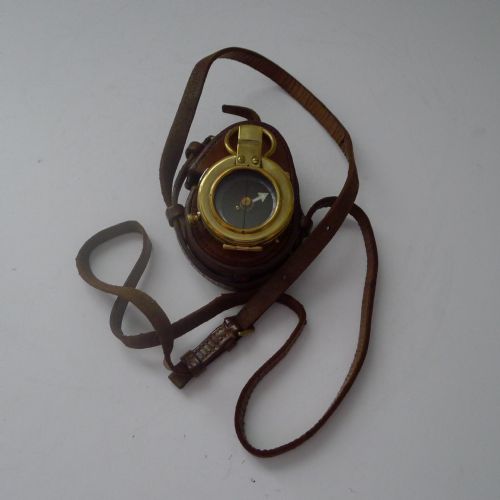
You are most likely to meet nineteenth-century and early twentieth-century pieces, including Victorian helmets, flintlock and percussion pistols, and officers' compasses. These items reflect both British service and international military traditions from various conflicts and eras.
Materials and construction
The objects on this page rely heavily on traditional martial materials such as forged steel, cast iron, brass, and seasoned wood like oak and walnut. Makers combined these metals with leather, textiles, and horsehair to produce functional equipment built for rigorous service.
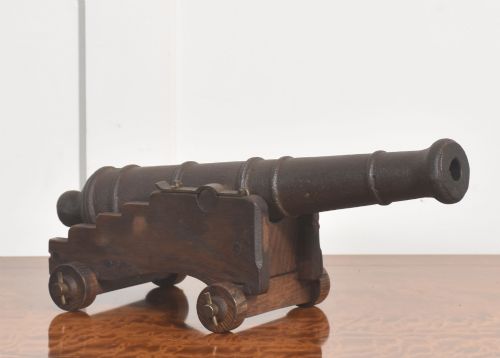
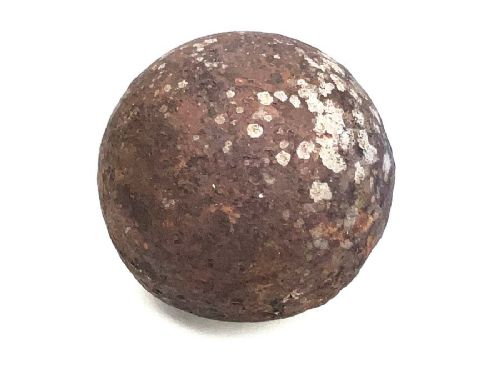
Construction techniques visible across the inventory include hand-beaten brass fittings, cast bronze ordnance, and detailed engraving on steel blades and firearm mounts. Each piece demonstrates the prevailing metalworking and leather-working standards of its respective period.
Antique Militaria Retail Price Guide 2026
Typical asking prices for militaria among the pieces listed under this phrase on Sellingantiques today, from the lower quarter to the upper quarter. They describe what is for sale here now, not the wider market.
Listings feature items utilising horsehair, walnut, brass, and silver enamel across eighteenth, nineteenth, and twentieth-century periods.
Distinctions in quality
Quality in these martial items rests upon the precision of the maker's hand and the survival of original components. Pieces carrying named makers or specific regimental associations show superior attention to finish, balance, and mechanical operation.
The degree of original surface preservation and matching serial numbers or components dictate the desirability of firearms and edged weapons. Simpler mass-issued pieces contrast with presentation items that display finer engraving, gilt finishes, and specialised unit badges.
French Ltd·Mortimer
The Antique Militaria Glossary
- Flintlock
- An ignition mechanism for firearms that uses a flint striking a steel frizzen to create sparks, igniting gunpowder. This system dominated military and civilian arms from the seventeenth through the early nineteenth century.
- Percussion cap
- A small metal cup containing a priming compound placed on a nipple to ignite the powder charge when struck by the hammer. This innovation superseded the flintlock system during the nineteenth century.
- Pickelhaube
- A spiked helmet worn by nineteenth and early twentieth-century German military, firefighters and police. These distinctive headpieces typically feature leather bodies with brass or steel fittings.
- Spadroon
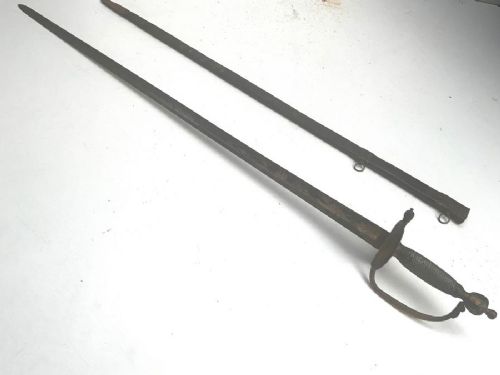
- A lightweight nineteenth-century straight-bladed sword designed for both cutting and thrusting. Officers frequently carried these swords during parade and field service.
- Shako
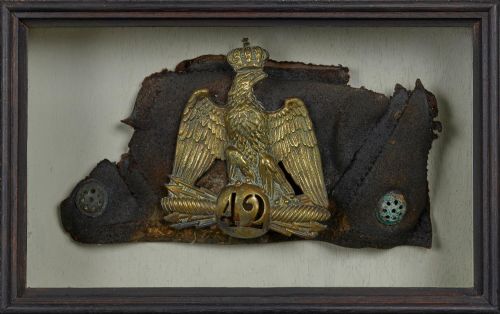
- A tall, cylindrical military cap often adorned with a plume, cockade or regimental plate. Infantry units wore these during the eighteenth and nineteenth centuries.
Antique Militaria: Frequently Asked Questions
How do I identify a flintlock pistol?
Examine the lock mechanism on the side of the weapon to locate the external hammer holding a piece of flint and the curved steel frizzen.
These seventeenth to early nineteenth-century arms rely on this specific spark-generating assembly rather than later percussion caps or modern cartridges.
What periods do these helmets cover?
The available headwear spans from nineteenth-century leather shakos and cavalry helmets to early twentieth-century German Pickelhaubes and British service hats.
Materials such as horsehair plumes, brass fittings, and white metal help distinguish parade dress from standard field gear.
How should I display edged weapons safely?
Mount swords, daggers and bayonets securely on walls using non-corrosive brackets that support the weight evenly without stressing the hilt or scabbard.
Keep blades lightly oiled and maintain stable indoor humidity to prevent rust and protect wooden or leather grips.
What is the difference between a wakizashi and a sabre?
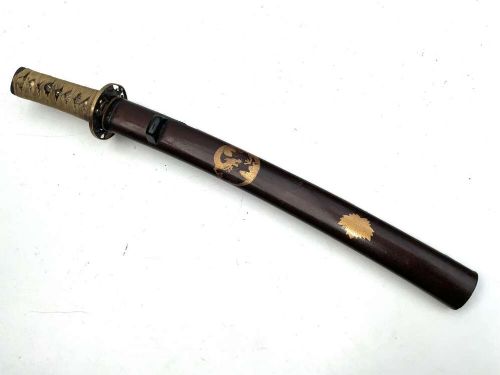
A wakizashi is a traditional Japanese short sword featuring a curved single-edged blade, historically paired with a katana. A cavalry sabre is a longer, heavier Western European or American edged weapon designed for mounted combat.
Both reflect the distinct martial traditions and smithing techniques of their respective cultures.