



Antique Metalware Container
An antique metalware container brings utilitarian craft into modern rooms through solid copper, brass, pewter, and old Sheffield plate.
Antique Metalware Container
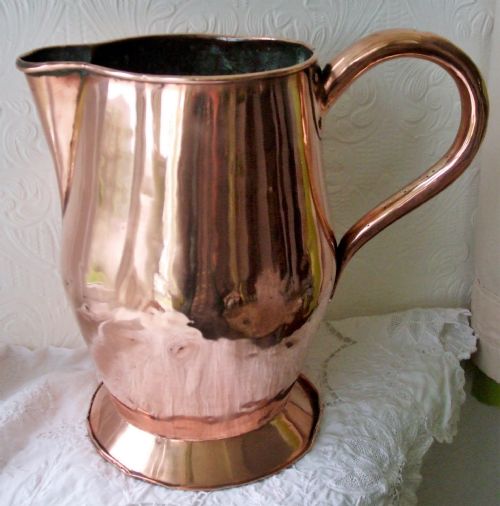
Every antique metalware container on this page represents a functional vessel shaped from copper, brass, pewter, tin, iron, or silver plate during the eighteenth, nineteenth, and early twentieth centuries. These objects served practical domestic and commercial purposes, ranging from large pouring jugs and measuring vessels to pocket-sized snuff boxes.
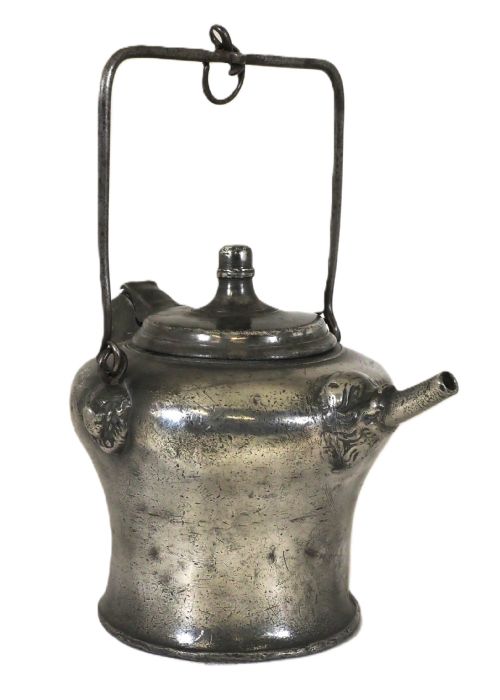
The assortment on offer leans heavily toward utilitarian forms from the Georgian and Victorian eras, alongside Edwardian examples and continental pieces like Swiss pewter water vessels. Buyers encounter substantial kitchen and tavern items alongside personal containers.
Makers utilised these durable metals to create long-lasting utility items that now function as decorative display pieces or practical storage containers in contemporary interiors.
How they were made
Makers shaped these containers using heavy-gauge sheet copper, brass, and pewter, often joining sections with visible seams and rivets to ensure structural integrity for holding liquids or dry goods.
Surface decoration on metalware containers ranges from hand-engraved inscriptions and makers' marks to plain polished finishes that highlight the natural tone of the base metal.
Antique Metalware Container Retail Price Guide 2026
Typical asking prices for metalware container among the pieces listed under this phrase on Sellingantiques today, from the lower quarter to the upper quarter. They describe what is for sale here now, not the wider market.
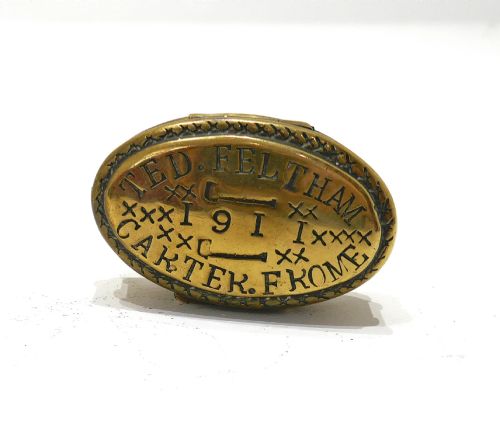
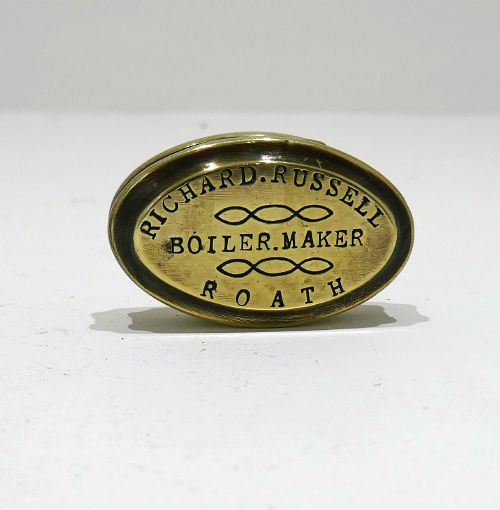
One brass snuff box proudly bears the name Ted Feltham alongside his trade as a boiler maker, immortalising a Victorian craftsman in metal.
What varies in quality
Quality rests upon the weight of the metal and the integrity of construction, where heavier gauge copper and thicker pewter walls indicate superior utility and longevity.
Refinement in surface engraving and the crispness of maker stamps distinguish workshop pieces from standard utilitarian containers.
The Antique Metalware Container Glossary
- Old Sheffield Plate
- A composite material made by fusing a thin layer of silver to a thicker copper base. This technique preceded modern electroplating.
- Pewter
- A malleable metal alloy consisting primarily of tin, used historically for tableware and drinking vessels. It develops a dark grey patina over time.
- Argyle
- A type of vessel designed to keep gravy warm at the dining table by means of an internal hot water chamber. These pieces typically feature a double-walled construction.
- Biberon
- A traditional drinking vessel, often associated with Swiss pewter production. These containers feature distinctive spouts for controlled pouring.
Antique Metalware Container: Frequently Asked Questions
What were antique metalware containers used for?
These containers served practical daily roles in domestic and commercial settings. They held liquids, measured volumes, or stored small personal items like snuff.
Today, collectors repurpose these durable vessels as decorative flower vases, kitchen displays, or desk storage.
How do I clean an antique copper container?
Cleaning depends on whether you prefer a bright polished finish or an aged dark patina. Many collectors leave the surface undisturbed to preserve historical character.
If polishing, use a mild metal cleaner suitable for copper or brass without abrasive pads that scratch the historic surface.
How can I tell the age of pewter metalware?
Age is determined by stylistic form, manufacturing technique, and touchmarks stamped into the metal by the maker. Earlier pieces often display heavier wall thickness and simpler utilitarian joints.
Comparative analysis with documented examples helps narrow down the production decade or century.
Are these metal containers safe for food use?
Most antique metalware containers, particularly older pewter and unlined copper vessels, contain trace metals or lead solder unfit for modern consumption. They are best utilised for dry storage or pure decoration.
Displaying them on shelves or tables lets you appreciate the craftsmanship safely.