



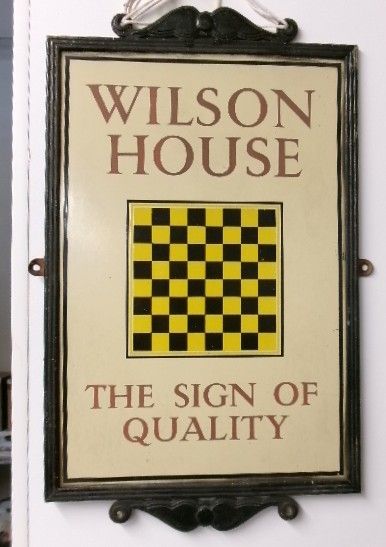


Antique Metal Wall Sign
An antique metal wall sign brings industrial character, advertising history and distinct period craftsmanship directly into a room.
Antique Metal Wall Sign
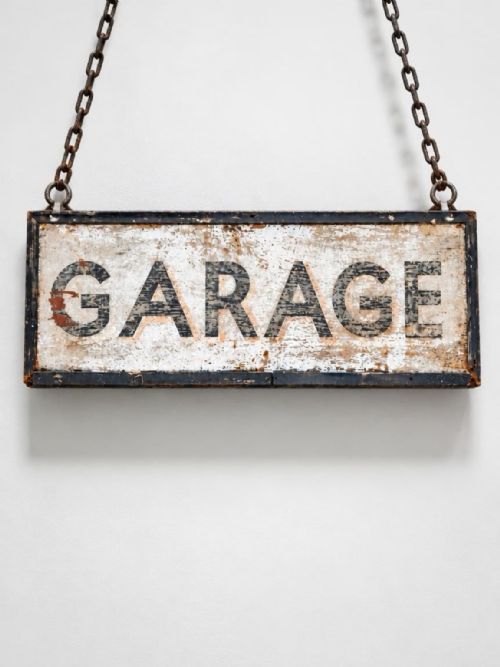
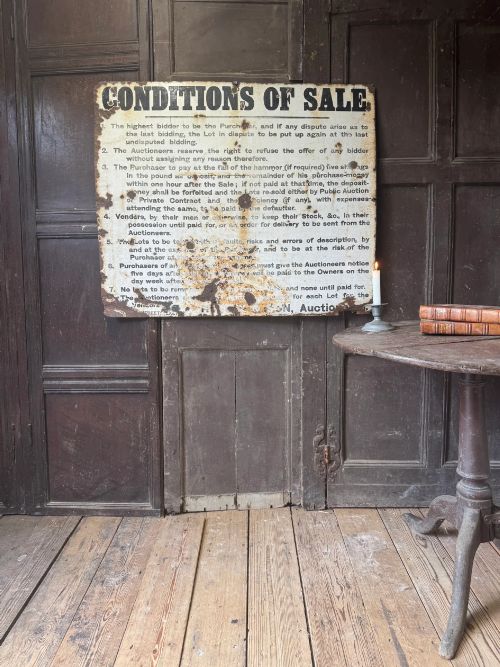
When searching for an antique metal wall sign, collectors encounter a diverse range of items including trade markers, advertising pieces, railway notices and commemorative plaques. These objects originate from the nineteenth and twentieth centuries, spanning Victorian, Edwardian, Art Deco and mid-century industrial styles.
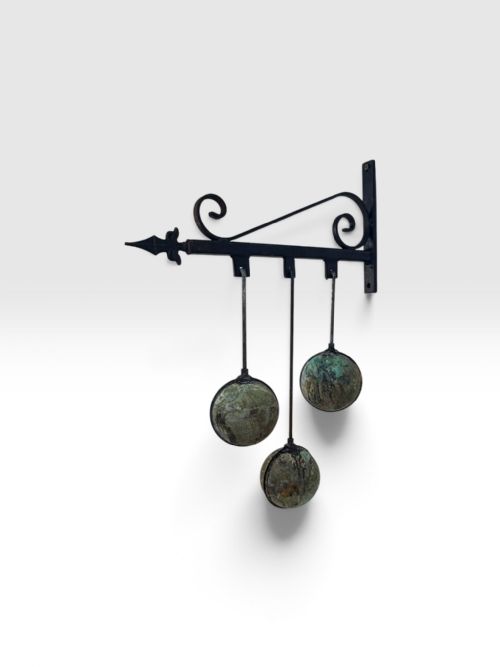
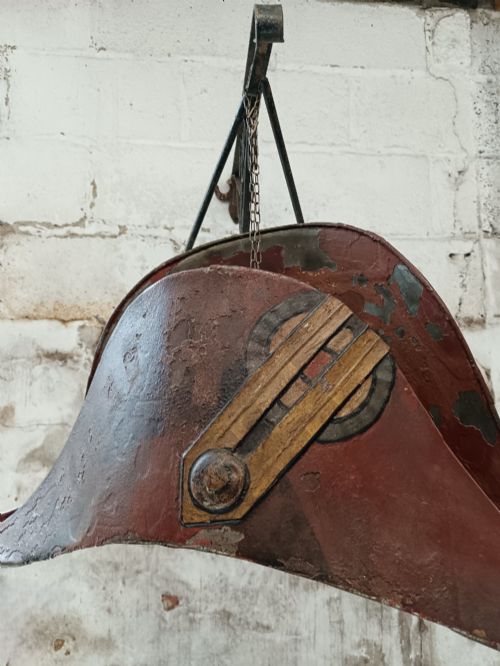
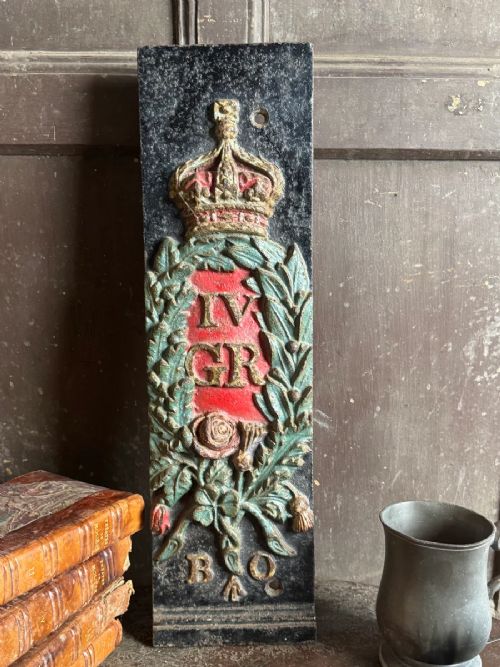
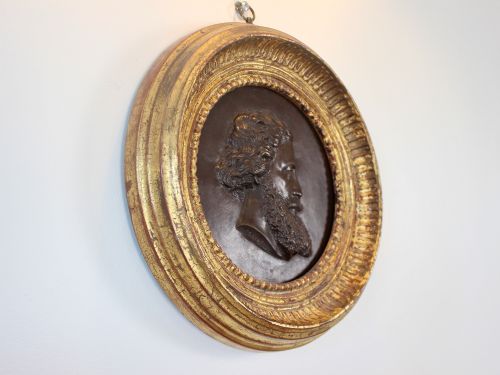
The selections available run from heavy cast iron railway and municipal notices to sheet metal shop displays and bronze portrait plaques. Trade signs shaped as pocket watches, bicorn hats or animals also appear alongside painted enamel advertising boards.
Origins stretch across British, French, Japanese and American workshops, encompassing everything from utilitarian railway warnings to intricate decorative chargers and architectural salvage.
Materials and Methods
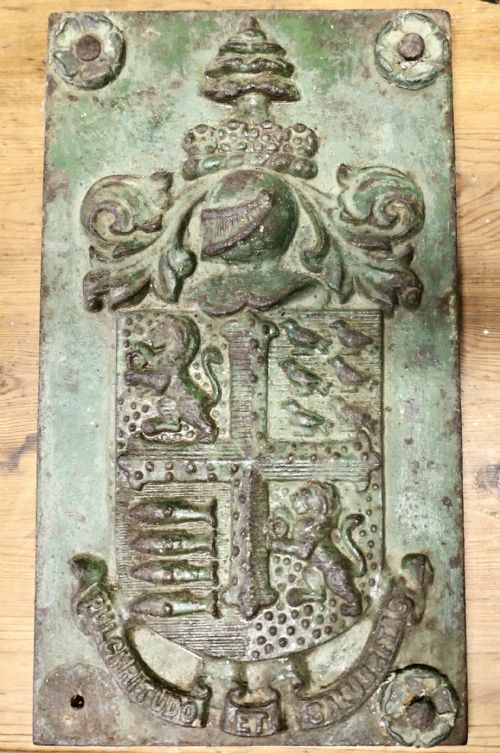
The construction of these pieces relies heavily on cast iron, bronze, sheet metal, copper and brass, often finished with paint, vitreous enamel or patination. Cast iron items utilise traditional moulding techniques to produce raised lettering and armorial details, while sheet metal versions employ cutting, shaping and hand-painting.
Enamel signs involve fusing powdered glass to metal plates at high temperatures, creating a durable glossy surface suited for outdoor trade or public notices. Bronze and brass examples incorporate casting, relief work and careful engraving or signature stamping by the maker.
Antique Metal Wall Sign Retail Price Guide 2026
Typical asking prices for metal wall sign among the pieces listed under this phrase on Sellingantiques today, from the lower quarter to the upper quarter. They describe what is for sale here now, not the wider market.
A metal shop sign shaped like a giant pocket watch reminds passers-by that time waits for no one.
Assessing Craftsmanship
Quality rests in the crispness of the casting, the precision of the hand-painted lettering and the retention of original surface finishes. Superior pieces display clear detailing in relief work, whether on an armorial plaque or a portrait medallion.
The integrity of the original paint, enamel or patination distinguishes finer examples from later restorations. Well-executed typography, balanced proportions and authentic structural mounting brackets indicate higher workshop standards.
Eugene Canneel·Mainfroy·Josef Herzog·Smiths of London·J. and H. Keyworth and Co
The Antique Metal Wall Sign Glossary
- Toleware
- Painted or enamelled tinplate items produced primarily in the eighteenth and nineteenth centuries. This technique is often seen on trade signs and functional household objects.
- Cloisonne
- Enamelling work where metal wire creates small compartments on a base surface to hold coloured pastes before firing. It appears frequently on decorative Japanese chargers.
- Armorial
- Displaying heraldic coats of arms or familial insignia. These motifs often appear on cast iron plaques and civic markers.
- Trade Sign
- A specialised marker hung outside a shop or business to indicate the trade practised within. Common shapes include pocket watches, boots and pawnbroker symbols.
- Architectural Salvage
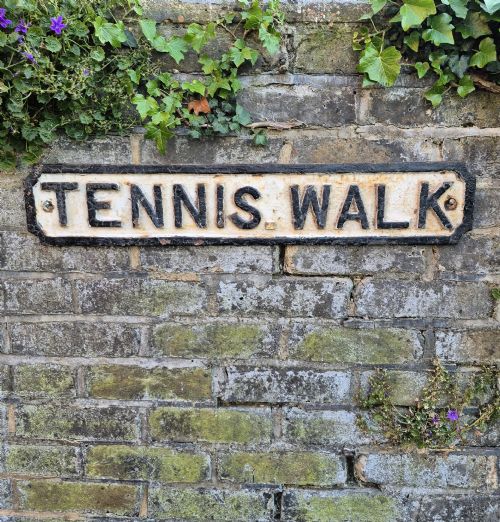
- Building elements or mounted markers rescued from structures slated for demolition. This category includes street names, railway gate warnings and masonry plaques.
Antique Metal Wall Sign: Frequently Asked Questions
What were metal wall signs used for?
These pieces served practical, municipal and commercial functions in public spaces, railways, shops and offices. They communicated safety instructions, advertised local businesses, displayed street names and marked official properties.
Over time, many transitioned from working commercial environments into decorative interior objects collected for their historical associations and graphic appeal.
How do I hang a heavy iron sign?
Heavy cast iron and bronze pieces require secure wall fixings anchored directly into masonry or suitable internal studs. Using original mounting brackets or sturdy iron brackets ensures the weight is supported safely.
Professional installation is recommended for large trade signs and architectural plaques due to their substantial mass and projection from the wall.
How do I tell Victorian signs apart from later pieces?
Victorian examples generally feature heavier cast iron construction, traditional hand-lettered typography and distinct patination appropriate to the nineteenth century. Stylistic indicators like gothic lettering, Victorian aesthetic motifs and specific maker details help establish the era.
Edwardian and later pieces often introduce brighter enamel colours, streamlined Art Deco lettering or mid-century industrial aesthetics that differ from earlier nineteenth-century output.
How should I clean an antique metal sign?
Gentle dusting with a dry microfibre cloth removes surface dirt without harming fragile painted or enamelled surfaces. Avoid using harsh chemical cleaners, abrasive pads or metal polishes that can strip original patination or paint.
Preserving the original surface condition maintains the historical character and visual integrity of the piece.