

Antique Metal Table Lighting
These antique metal table lighting pieces bring weight and warmth to a room through centuries of foundry work.
Antique Metal Table Lighting
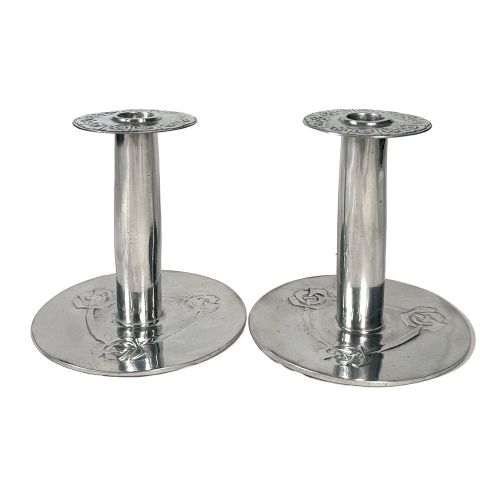
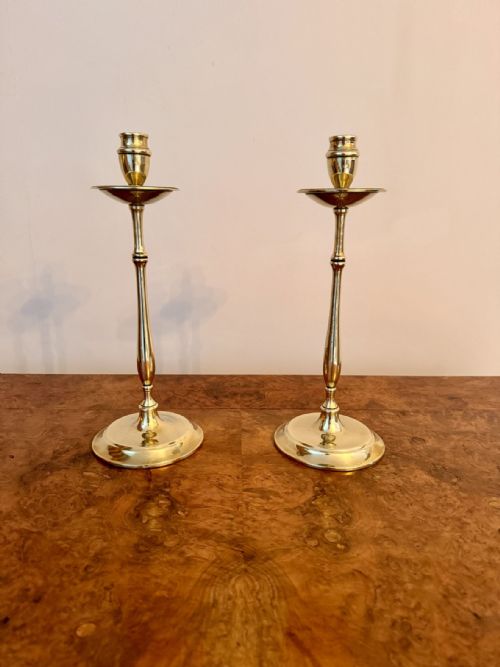
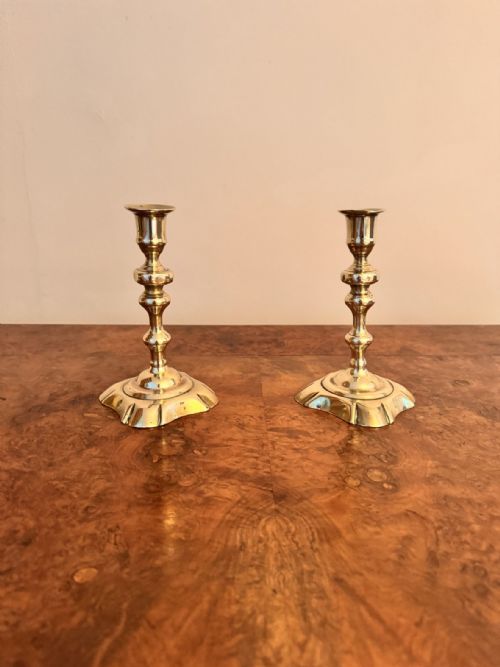
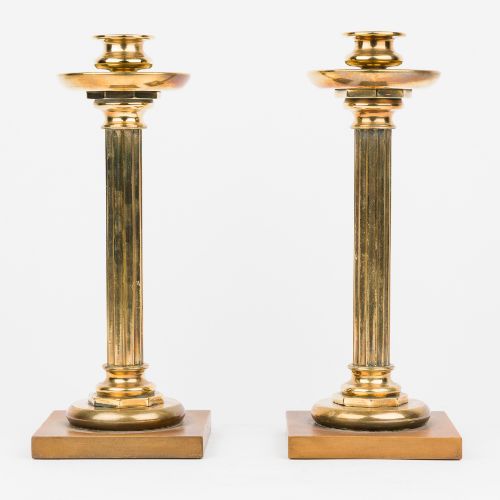
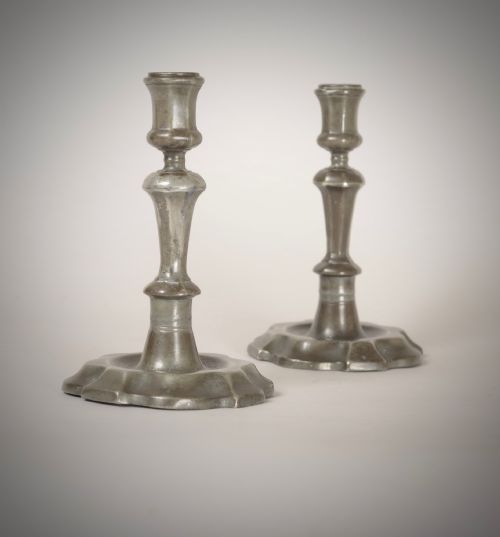
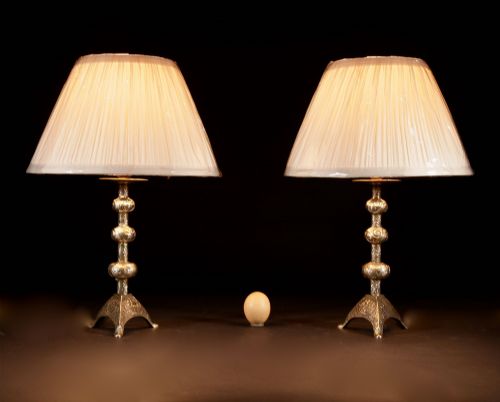
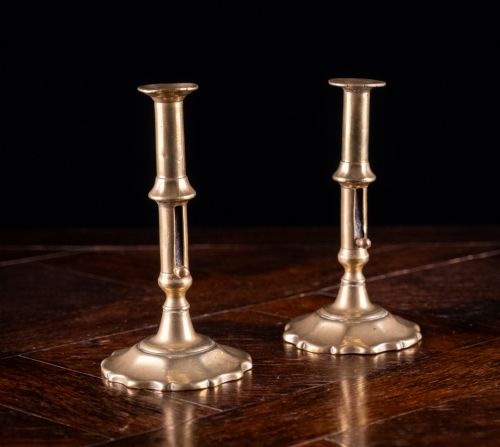
When you search for antique metal table lighting, you encounter everything from utilitarian domestic lighting to decorative studio pieces designed for a specific interior. The selection spans straightforward brass candlesticks, heavy bronze lamps, and converted oil burners or andirons.
You are most likely to meet Victorian and Edwardian brass or silver-plated designs alongside earlier Georgian seamed examples and continental figural works. These objects served to illuminate dark rooms before electricity, evolving later into wired lamps and reading lights.
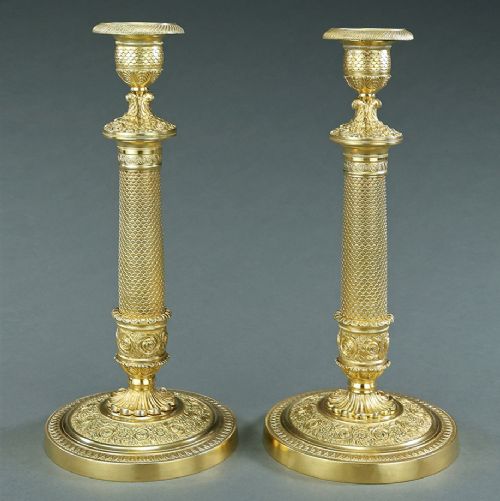
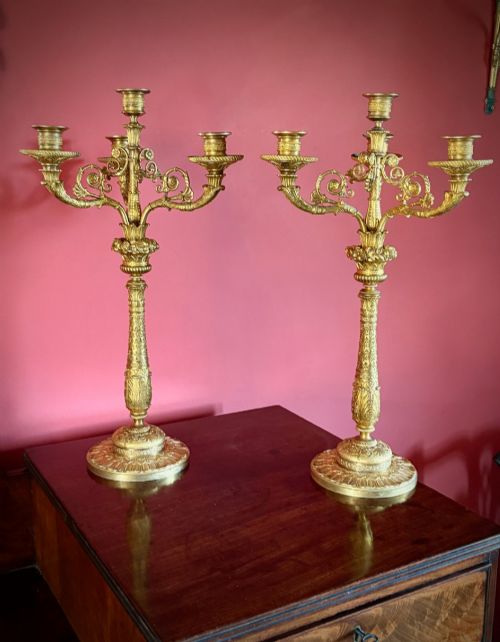
The regional origins stretch across British, French, American, and Asian workshops, reflecting diverse domestic habits and decorative tastes. Pieces range from simple functional candlesticks to elaborate ormolu candelabra and novelty animal lamps.
Materials and Technique
The metalwork relies on traditional casting methods, including sand casting and seaming, which leave subtle seams and tooling marks across the surface. Brass and bronze dominate the construction, often supplemented by silver plating, gilt layers, or cold-painted finishes.
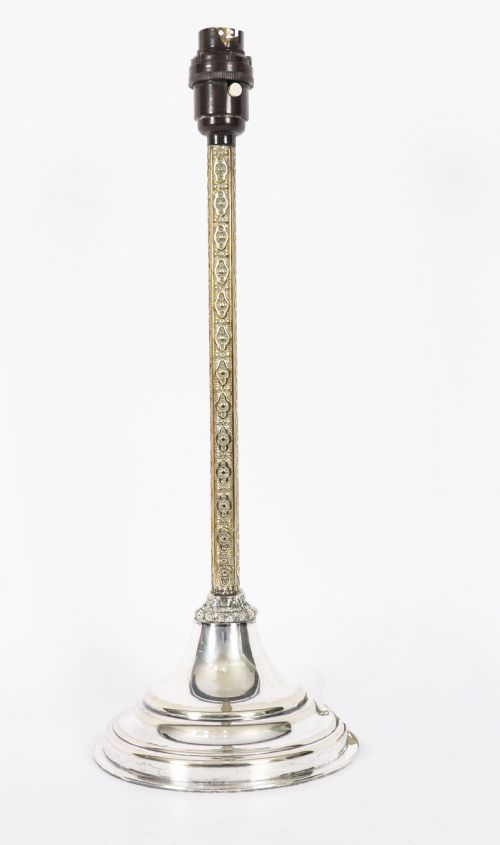
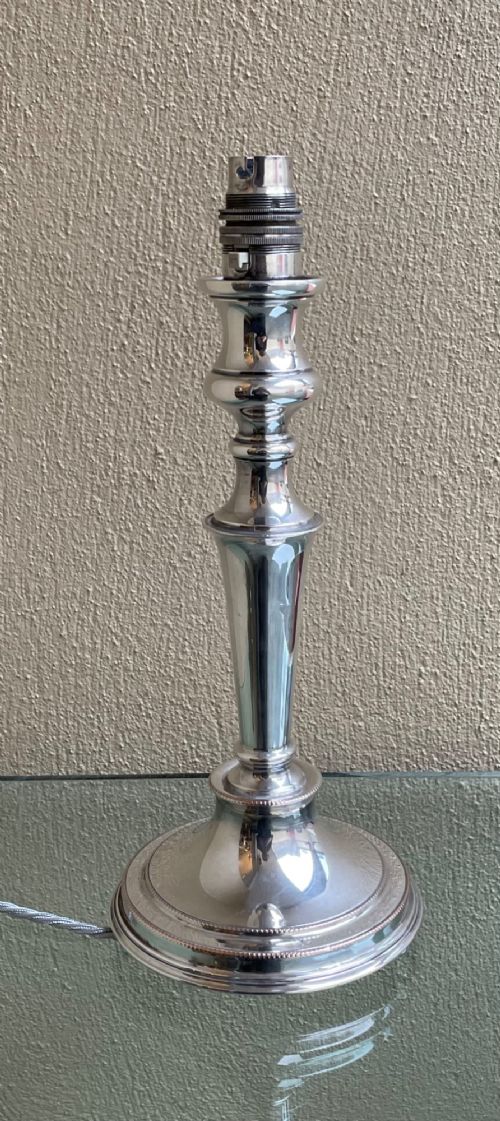
Many items incorporate mixed media such as marble bases, glass shades, fabric elements, and carved wood components to provide stability and contrast. Conversion is also common, where older oil lamps, candlesticks, or andirons receive modern electrical fittings.
The listings feature antique metal table lighting produced from brass, bronze, silver plate, copper, and cast iron across multiple centuries.
Quality Markers
Quality rests in the crispness of the casting detail and the weight of the metal used in the construction. Superior pieces display sharp chasing on bronze and ormolu, while lesser examples show softer edges and shallower relief.
The integrity of the construction and the retention of original surface patination distinguish finer items from heavily polished or altered pieces. Balance, proportion, and the harmony of combined materials dictate the overall success of the design.
Mappin and Webb·Eileen Grey·E Rousseau·L and F Moreau
The Antique Metal Table Lighting Glossary
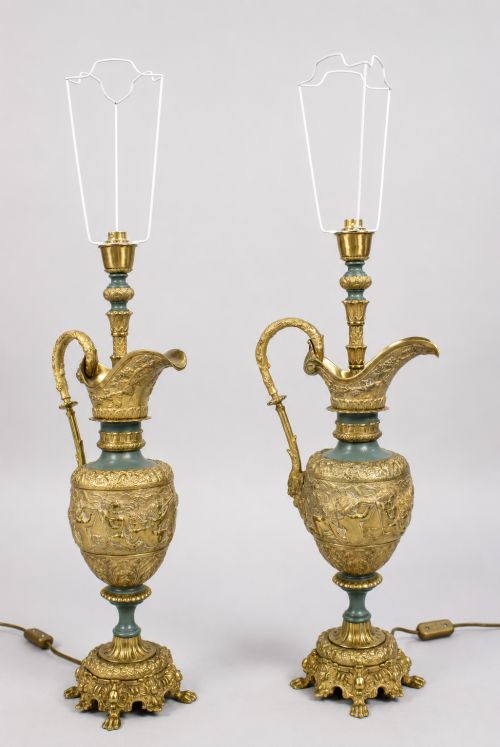
- Ormolu
- Gilded bronze, typically produced using a mercury amalgamation process on decorative mounts and candelabra. This technique yields a rich, deep gold appearance that resists tarnishing.
- Spelter
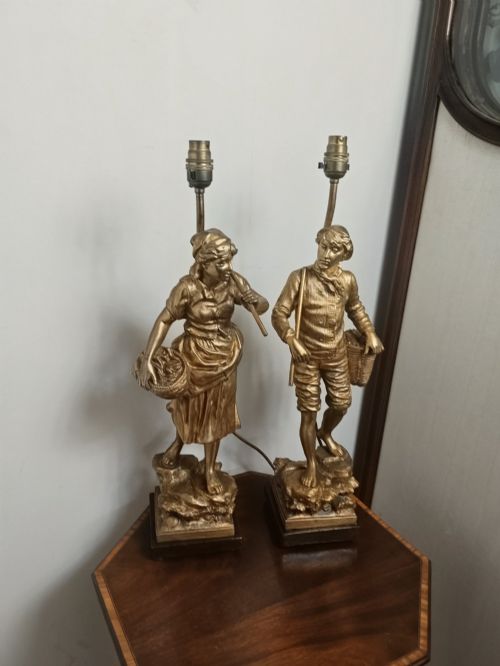
- A zinc alloy frequently utilised as a less costly substitute for bronze in figural candlesticks and lamps. It takes patination well but possesses a lighter weight and softer structural strength.
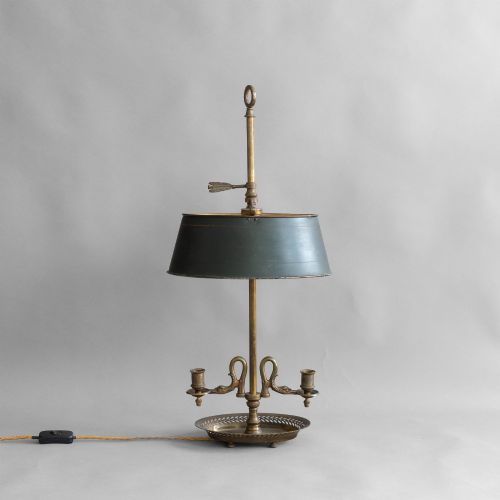
- Bouillotte lamp
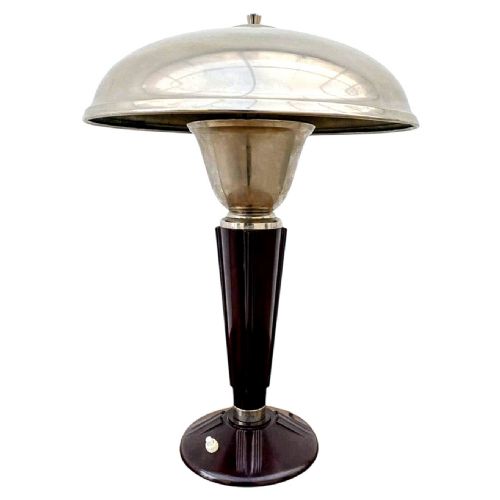
- An adjustable metal desk lamp featuring a central stem and a painted metal shade. It was originally designed for card playing.
- Pricket candlestick
- A candlestick style that employs a central spike to secure a candle rather than a socket. These often date to earlier ecclesiastical or formal domestic contexts.
- Cloisonne
- An enamelling technique where metal wires form small compartments on a base to hold coloured glass paste. The piece is then fired and polished smooth.
Antique Metal Table Lighting: Frequently Asked Questions
How do I clean antique brass lighting?
Dust gently with a soft dry cloth to preserve the natural oxidation and accumulated patination built up over decades. Avoid harsh chemical polishes that strip away the aged surface character.
If cleaning is necessary, use a mild soapy solution and dry thoroughly immediately afterward to prevent spotting or corrosion.
Are these old lamps safe to use?
Many older metal table lamps have undergone conversion or rewiring at various points in their long history. It is sensible to have a qualified electrician inspect the wiring and internal components before plugging them in.
Original candlesticks and un-converted oil lamps remain purely decorative or functional for taper candles unless modern fittings are professionally added.
How can I tell a genuine antique from a reproduction?
Genuine examples exhibit authentic wear patterns, construction marks appropriate to their period, and consistent patination within recessed areas. Look for seaming lines on older brass and hand-chasing details on bronze.
Modern reproductions often feel too uniform, lack the heavy weight of older cast metal, and show artificial ageing rather than natural handling marks.
What is the difference between a candlestick and a lamp?
Candlesticks hold wax or tallow tapers directly in a socket or on a pricket without electrical wiring. Lamps incorporate fuel reservoirs, oil burners, or electrical cord pathways designed for illumination via bulbs or wicks.
Many antique candlesticks were later converted into lamps by drilling the base or mounting electrical fittings through the socket.