





Antique Metal Shield
These antique metal shields range from heavy cast iron armorial plaques to chased brass fire screens and engraved Indo-Persian pieces, bringing historic heraldry and craftsmanship into the home.
Antique Metal Shield
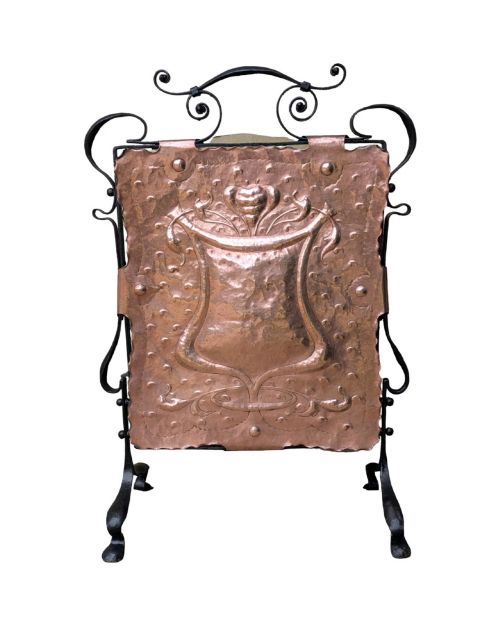
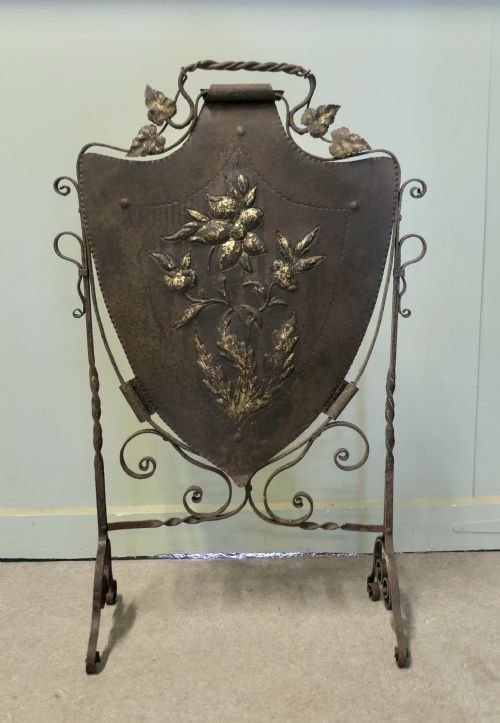
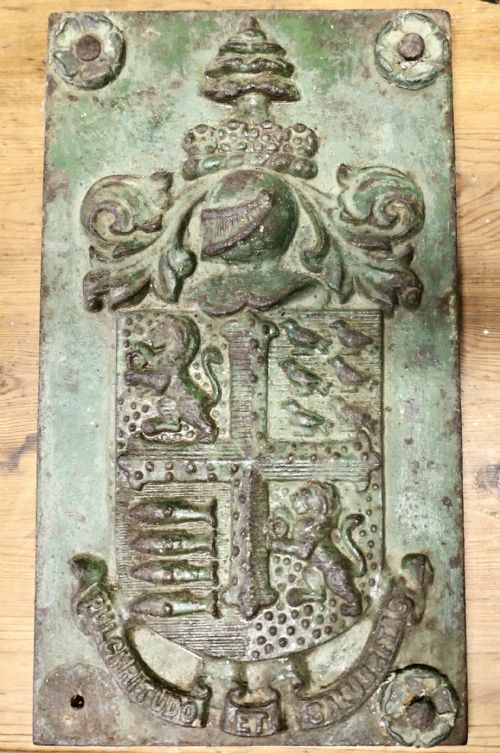
When you search for an antique metal shield, you encounter a diverse array of decorative and practical objects spanning several centuries. These pieces encompass cast iron armorial plaques, repousse brass wall displays, and steel fire screens incorporating heraldic designs.
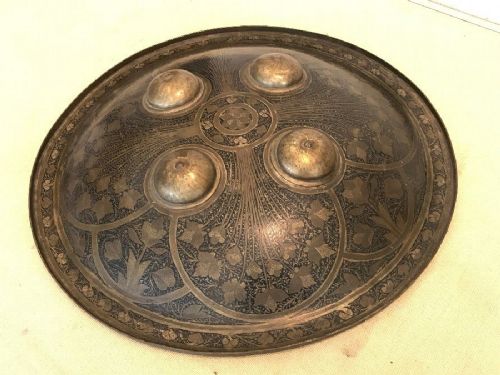
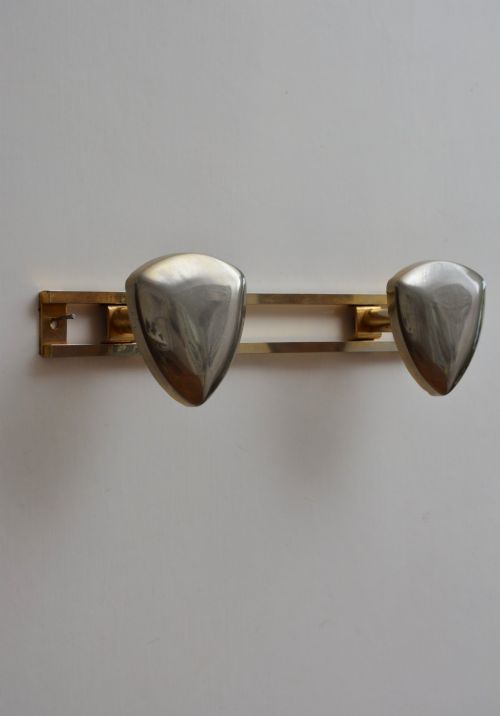
The versions most commonly met on this page include Victorian gothic iron fire screens, nineteenth-century brass wall plaques, and embossed Indo-Persian dhal shields. Makers applied these shields to diverse domestic objects, creating everything from wall mirrors to coat hooks and biscuit boxes.
Originating from British workshops, Dutch homes, and Indian metalworking traditions, each piece reflects the specific decorative tastes of its period. Whether mounted for display or integrated into household furnishings, these metal shields serve as tangible links to historical crests and heraldry.
Materials and construction methods
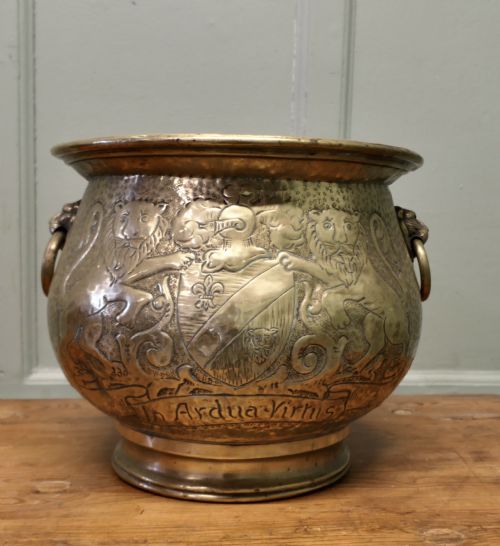
Brass, copper, cast iron, and silver plate form the primary metallic materials seen across these pieces, frequently combined with oak or other woods. Artisans utilised techniques such as repousse hammering, chasing, and engraving to work intricate foliate patterns and family crests into the metal surface.
Iron fire screens and armorial plaques often rely on durable casting methods to achieve bold relief details. Lighter domestic items combine stamped silver plate with wooden structures to balance decorative impact with everyday utility.
Antique Metal Shield Retail Price Guide 2026
Typical asking prices for metal shield among the pieces listed under this phrase on Sellingantiques today, from the lower quarter to the upper quarter. They describe what is for sale here now, not the wider market.
A metal shield can transform an ordinary hallway coat hook into a miniature fortress of family pride.
Judging quality and execution
The distinction between ordinary and superior pieces rests entirely upon the crispness of the hand-chased detail and the depth of the repousse relief. Skilled metalworkers achieved fluid, lifelike contours in heraldic beasts and foliate scrolls, whereas lesser examples display shallow, rigid stamping.
Material integration also dictates quality, particularly where metal shields are mounted onto carved oak frames or combined with glass and fabric. Superior items show seamless attachment and thoughtful proportions, balancing the weight of the metal with the supporting woodwork.
John Grinsell & Sons
The Antique Metal Shield Glossary
- Repousse
- A metalworking technique where the artisan hammers the design from the reverse side to form a raised relief on the front. This method creates deep, three-dimensional decorative surfaces on brass and copper plaques.
- Armorial
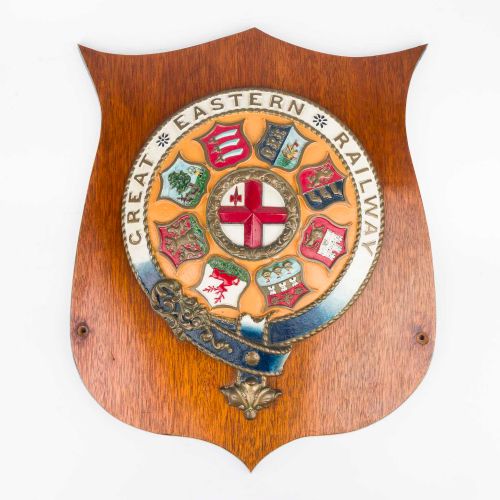
- Relating to heraldry, family coats of arms, and crests. These distinct visual symbols identify specific lineages, towns, or railway companies.
- Chasing
- Working metal from the front by sinking the surface with punches and hammers to refine details and textures. It is frequently paired with repousse work to sharpen lines.
- Gothic Revival
- An architectural and decorative style drawing inspiration from medieval design. Pieces from this movement often feature pointed arches, heavy ironwork, and solemn heraldic motifs.
Antique Metal Shield: Frequently Asked Questions
What is an antique metal shield?
These items encompass decorative wall plaques, fire screens, and functional objects bearing heraldic crests or traditional designs. They are constructed from cast iron, brass, copper, and silver plate across various centuries.
Many pieces draw upon Gothic Revival, Arts and Crafts, or Indo-Persian styles, reflecting the diverse aesthetic movements that utilised shield forms in interior decoration.
How were metal shields used historically?
Some pieces served as decorative wall plaques displaying family coats of arms, municipal crests, or railway insignia. Others were integrated into utilitarian household items such as fire screens, biscuit boxes, and coat hooks.
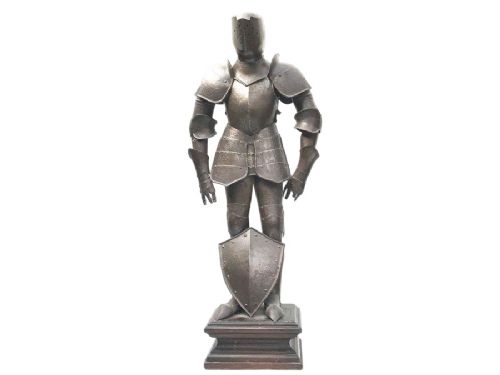
While some heavier steel and brass pieces relate to arms and armour, the majority of domestic items were designed purely for interior display and ornamentation.
How do I clean an antique brass shield?
Dusting with a soft, dry cloth is usually sufficient to maintain the surface without disturbing the historic patina. Avoid harsh chemical cleaners or abrasive polishes that can strip away aged patination and damage engraved details.
For pieces mounted on oak or fabric, take care to keep cleaning agents away from the surrounding materials to prevent staining or moisture damage.