

Antique Metal Plates
Antique metal plates gather domestic and decorative items spanning centuries, offering durable surfaces and intricate designs that appeal to collectors of period metalwork.
Antique Metal Plates
When people search for antique metal plates, they encounter a diverse array of flat or shallow vessels, chargers, and dishes fashioned from various metal alloys. These objects originate from multiple historical eras, stretching from the sixteenth century through the Georgian, Victorian, and Edwardian periods into the Art Deco twentieth century.
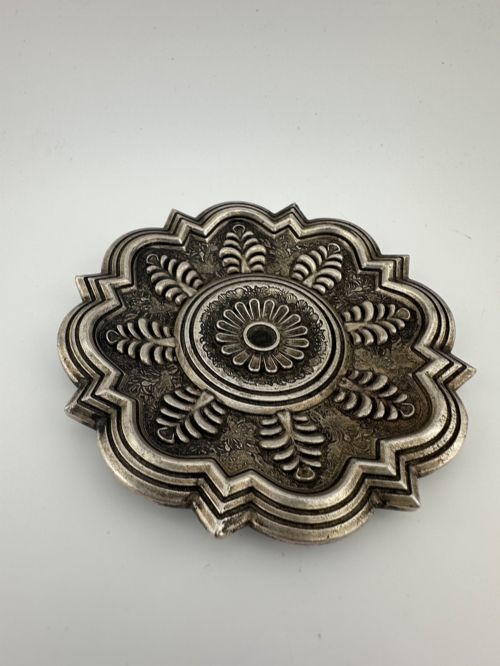
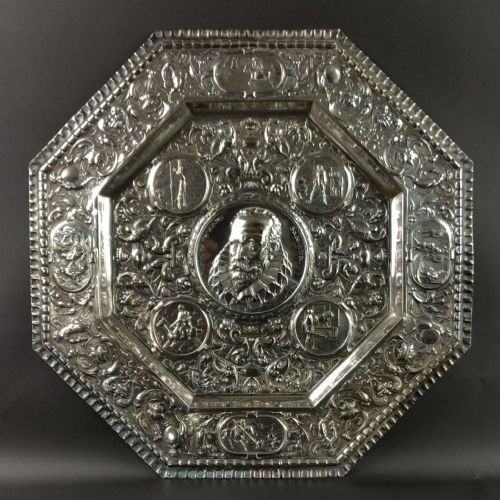
The selection on this page demonstrates that the phrase encompasses far more than simple diningware. Buyers frequently meet decorative wall chargers, repoussé serving vessels, and heavy alms dishes alongside domestic brass and copper hearth items.
Origins vary widely across these listings, spanning European workshops, British manufacturers, and Asian export pieces. Each period brought distinctive aesthetic preferences, transitioning from ornate Gothic and Neo-Classical forms to flowing Art Nouveau lines and geometric Art Deco styling.
Materials and methods
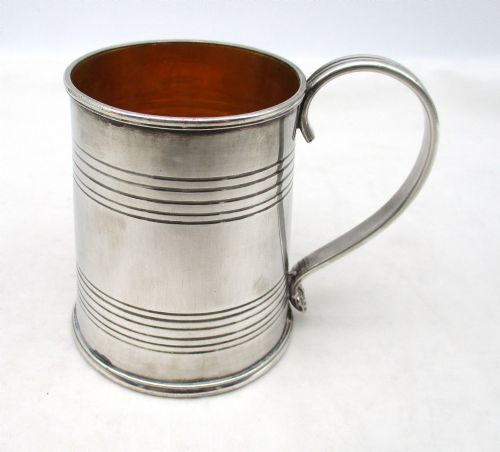
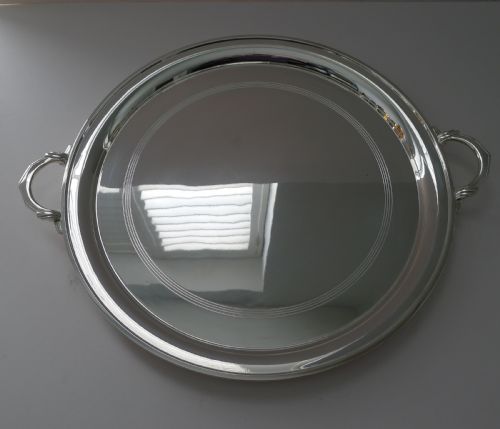
Makers utilised a combination of base metals like copper, brass, iron, and white metal, frequently applying surface treatments such as silver plating, gold plating, or parcel gilding to achieve a lustrous finish. Old Sheffield plating and standard silver plating appear regularly among nineteenth-century examples, providing the appearance of solid silver through fused or electroplated layers.
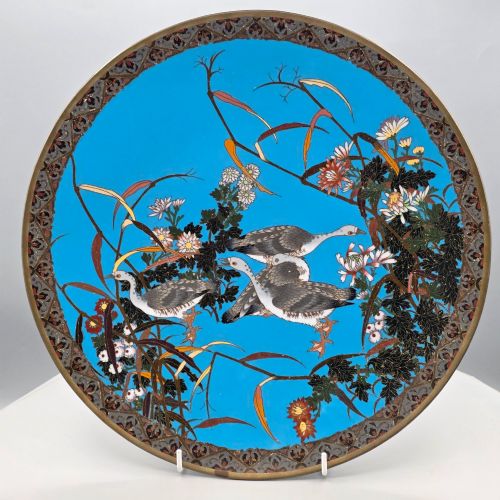
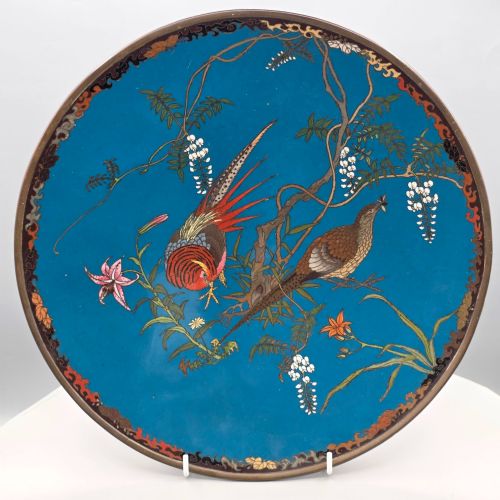
Surface decoration relied heavily on manual skill, employing repoussé hammering, hand-engraving, and chasing to produce raised motifs and detailed portraits. Enamelling, cloisonné work, and metal inlay are also present, demonstrating sophisticated integration of colour and contrasting metallic tones across Japanese chargers and Islamic vessels.
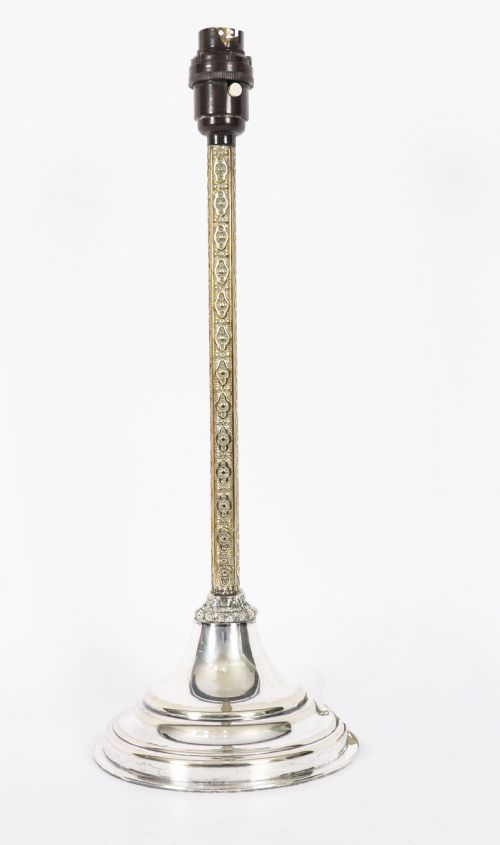
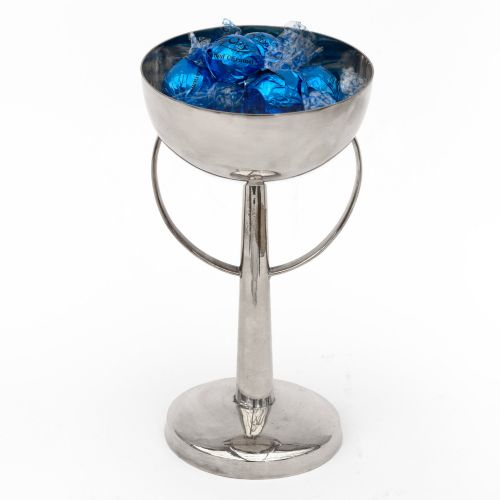
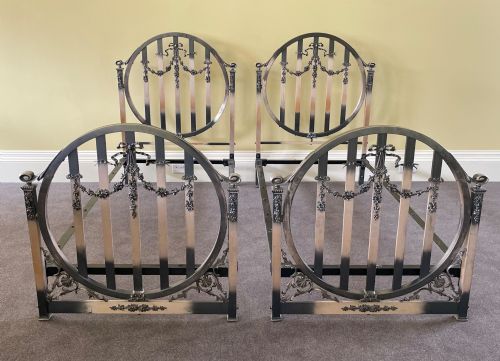
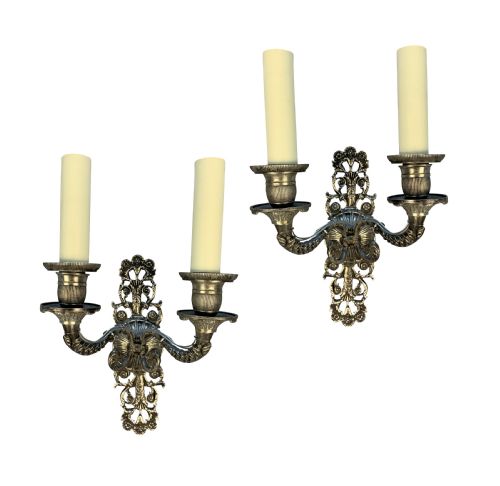
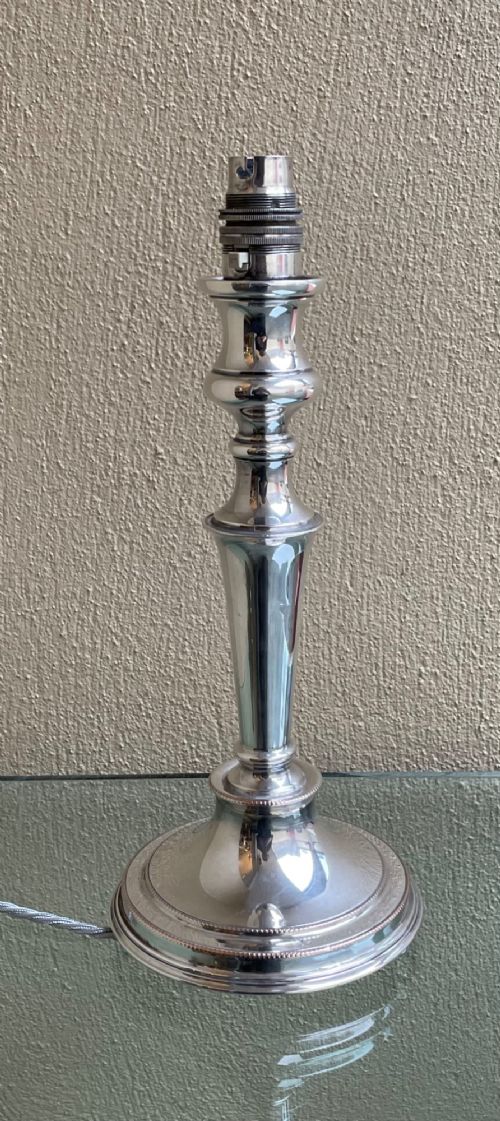
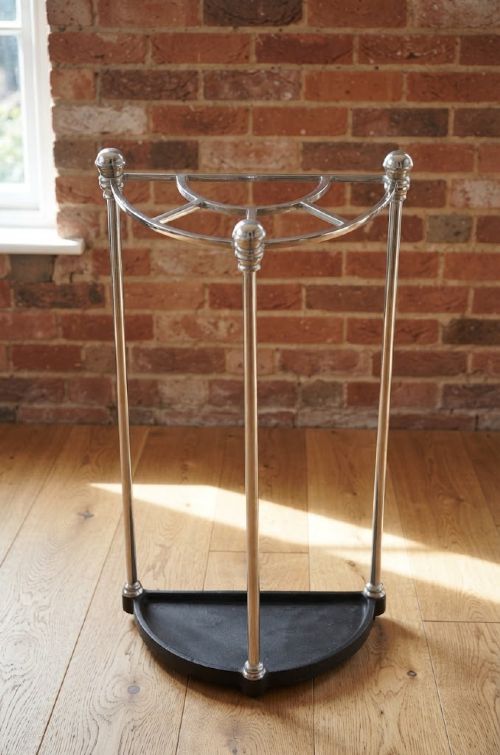
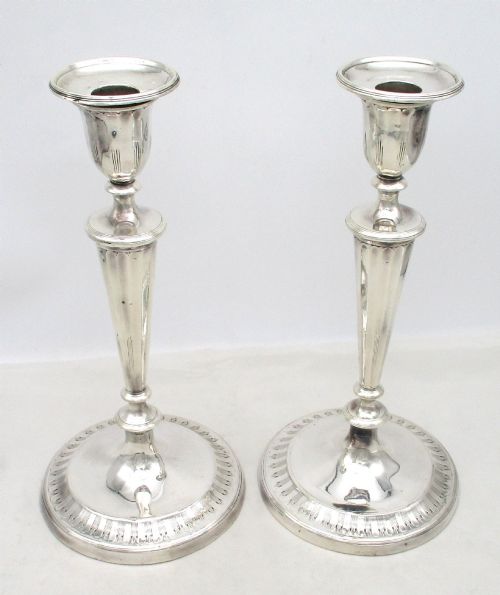
The selection includes decorative chargers alongside practical items like candlesticks, umbrella stands, and table lamps.
Distinctions in quality
Quality in these metal objects rests upon the crispness of the hand-chased or repoussé detail and the structural integrity of the base metal. Superior examples exhibit deep, sharply defined relief work where figures and foliage retain their intended depth without softening from excessive wear or over-cleaning.
The weight and balance of the piece further differentiate standard utilitarian items from masterworks. Heavier gauge metals provide substantial feel, while maker-marked pieces or those associated with renowned firms demonstrate superior precision in jointing, mounting, and surface finishing.
Keith Murray For Mappin & Webb·Mappin & Webb·Christofle·Liberty & Company·G R Collis·Walker & Hall·F Abella & Sons
The Antique Metal Plates Glossary
- Charger
- A large ornamental or serving plate, typically displayed on a wall or sideboard rather than used for daily dining. These pieces often feature elaborate repoussé scenes or engraved borders.
- Repoussé
- A metalworking technique where the artisan hammers the metal from the reverse side to form a raised design in relief on the front. Fine examples show crisp contours and precise interior detailing.
- Old Sheffield Plate
- An early fusing method where a thin sheet of silver is fused to a thicker copper core by heat and pressure. This technique predates modern electroplating and leaves a distinctive edge where the base metal shows.
- White Metal
- An alloy of relatively low melting point metals, such as tin, antimony, and copper, used as a base for plating or as a primary material for decorative dishes. It provides a bright, silvery appearance without the cost of solid silver.
- Cloisonné
- An ancient technique for decorating metal object surfaces using enamel held within thin wire compartments soldered to the metal base. The resulting cells are filled with coloured glass paste and fired.
Antique Metal Plates: Frequently Asked Questions
What is the difference between a charger and a plate?
A charger is significantly larger than a standard dining plate and is primarily intended for ceremonial use, serving large joints, or hanging as decorative wall art.
Smaller plates served practical functions at the table, whereas chargers often carry heavy repoussé ornamentation that makes them unsuitable for regular food service.
How do I care for antique silver plated items?
These pieces require gentle cleaning with non-abrasive silver cloths to preserve the underlying plating and any remaining base metal.
Avoid harsh chemical dips that strip away the aged patina and can damage soldered joints or delicate applied details.
How can I tell if a piece is silver plated?
Inspect the edges and high-wear areas for microscopic signs of the underlying base metal, such as copper showing through a worn silver surface.
Maker marks often include specific stamps denoting electroplate or Old Sheffield plating techniques rather than solid precious metal hallmarks.