
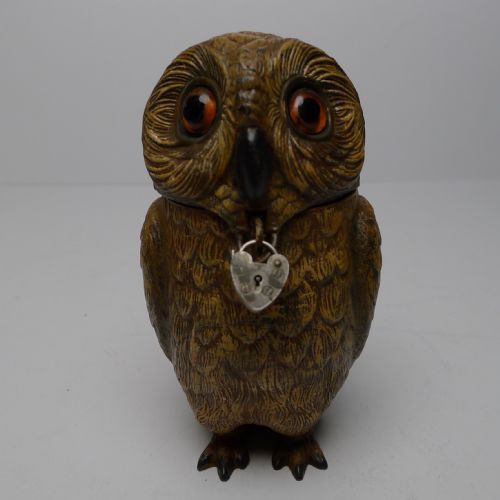
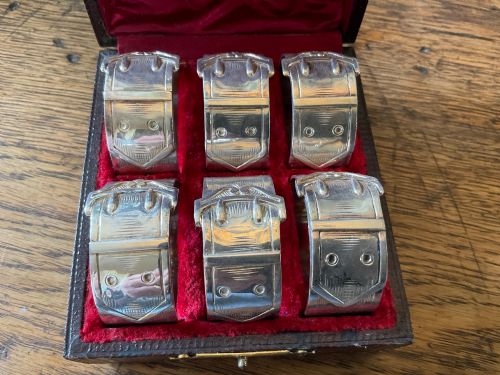
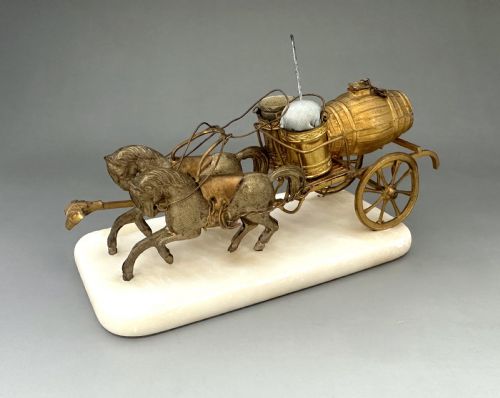


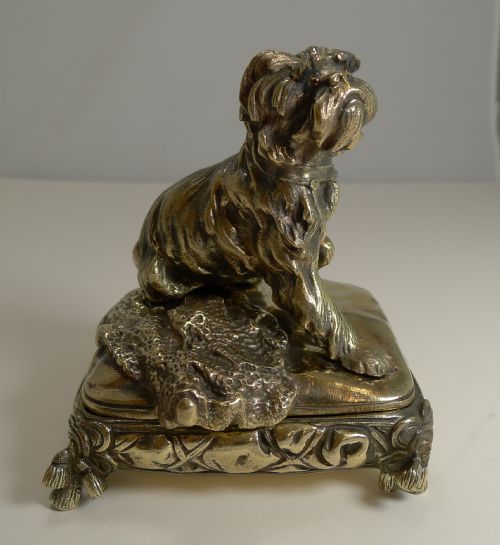

Antique Metal Novelty Box
An antique metal novelty box is a small, whimsical container shaped like everyday objects, animals, or books to delight the user.
Antique Metal Novelty Box
When you search for an antique metal novelty box, you encounter items taking unexpected forms such as books, tractors, satchels, fish, and hat boxes. These pieces bridge utility and amusement, functioning as desk accessories, pocket items, or storage containers for biscuits, matches, and coins.
The selections span from the Victorian period through the Edwardian era and into the early twentieth century. Common manifestations include painted spelter money boxes, brass dog jewellery boxes, and nickel plated vesta cases shaped as portrait faces.
Makers utilised various metals including brass, bronze, tinplate, and spelter to cast or press these imaginative shapes. French examples introduce decorative sewing companions, while British bakeries commissioned elaborate lithographed tinplate biscuit containers.
Materials and construction
Makers fashioned these pieces using cast metals like brass, bronze, and spelter for sturdy containers and figurative animals. Spelter allowed for detailed casting of painted money boxes and figures, whilst brass and bronze provided durability for dog jewellery boxes and desk items.
Tinplate served as the primary medium for larger containers, often enhanced with lithographed details to mimic wood grain or book bindings. Manufacturers like Peek Frean and Huntley & Palmers pressed metal into shapes resembling satchels, tractors, and hat boxes.
Smaller pocket items incorporated nickel plating over brass for vesta cases, and hinged mechanisms or articulated bodies appeared on fish snuff boxes and match holders.
An articulated fish with a hinged head manages to keep your snuff secure while looking entirely unimpressed.
Judging quality in novelty metalware
Quality rests upon the precision of the casting and the fidelity of the whimsical form. Pieces that capture realistic anatomical details in animals or convincing textures in objects like books and satchels display superior craftsmanship.
The retention of original painted surfaces or lithographed decoration determines the visual appeal of spelter and tinplate pieces. Crisp mechanical actions on hinged heads, articulated bodies, and secure lids distinguish finer examples from standard production.
Huntley & Palmers·William Crawfords & Son Ltd·Peek Frean and Co
The Antique Metal Novelty Box Glossary
- Spelter
- A zinc alloy used as a cheaper alternative to bronze for casting decorative figures and boxes. It accepts paint readily and was common in Victorian and Edwardian novelty items.
- Vesta Case
- A pocket-sized container designed to hold matches, usually featuring a striking surface on the base. Many examples took novelty forms, including portrait faces.
- Tinplate
- Thin sheet iron or steel coated with tin to prevent rusting. It formed the basis for lithographed biscuit tins and decorative boxes.
- Lithographed Tinplate
- Metal sheet printed with coloured designs before being pressed into shape. This technique allowed biscuit tins to mimic wood, books, and machinery.
Antique Metal Novelty Box: Frequently Asked Questions
What were novelty biscuit tins used for?
These decorative metal containers held biscuits sold by major bakeries, serving as attractive counter displays before becoming household storage.
After the biscuits were consumed, households kept them to store small items, toys, or documents due to their appealing shapes.
How do I date a metal novelty box?
Dating relies on stylistic clues, manufacturing materials, and any maker marks stamped into the metal. Victorian pieces often feature ornate casting, whilst early twentieth-century examples embrace lithographed tinplate.
Changes in fasteners, hinges, and the evolution of companies like Peek Frean or Huntley & Palmers also help establish a chronology.
Are vesta cases and snuff boxes the same?
Vesta cases specifically held wax matches, incorporating a serrated edge for striking, whereas snuff boxes were designed for dry tobacco powder.
While both share compact metal construction and novelty forms, their internal compartments and intended contents differ.
How should I clean antique brass boxes?
Dusting with a soft, dry cloth removes surface grime without disturbing the patina or protective wax coatings. Avoid aggressive metal polishes that strip historical age from brass and bronze surfaces.
Preserving the original surface sheen maintains both the aesthetic and historical integrity of the piece.