





Antique Metal Medallions
Antique metal medallions encompass commemorative medals, exhibition pieces and portrait plaques cast in bronze, copper and iron.
Antique Metal Medallions
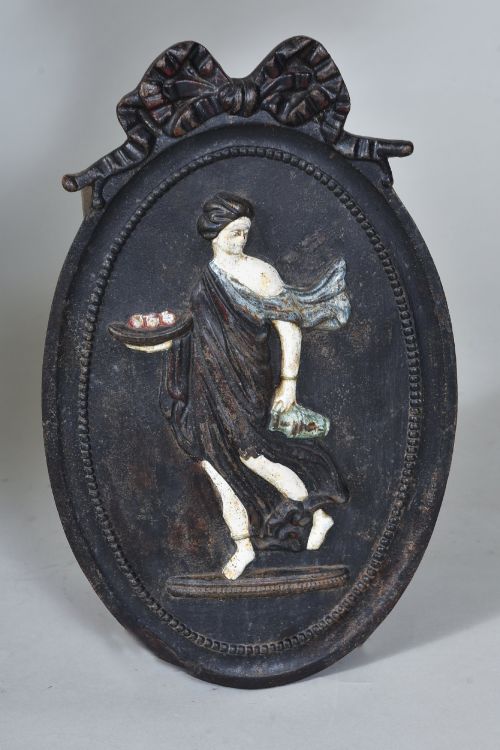
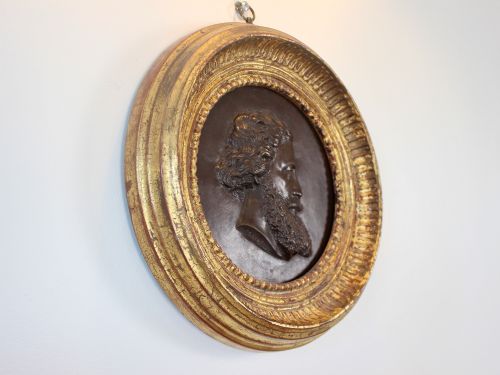
Antique metal medallions comprise portrait plaques, exhibition medals and commemorative items spanning the eighteenth, nineteenth and early twentieth centuries. These objects record international exhibitions, historical figures and royal jubilees through cast and struck metalwork.
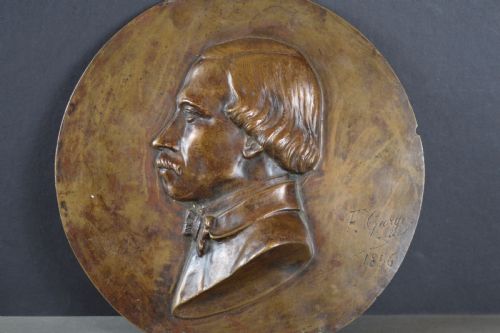
The nineteenth century yields the highest concentration of pieces, particularly bronze portrait plaques depicting literary figures and rulers alongside official exhibition awards. Cast iron and copper items appear frequently alongside rarer gilt metal and enamel variations.
Makers and signatories such as Mainfroy, Gustav Grohe and J Lavergne mark specific nineteenth-century bronze plaques, while official exhibition medals record manufacturers like Waterlow and Sons and Smith, Beck and Beck.
How they were made
Makers utilised bronze, copper, cast iron and brass, casting the metals to achieve sharp relief details for portraits and commemorative scenes. Patinated finishes enhance the depth of the modelled figures on roundels and wall plaques.
Enamel and gilt metal applications appear on smaller decorative items such as curtain tie backs, combining colourful vitreous decoration with metal bases. Mahogany frames house roundels, mounting the metal elements securely for interior display.
Antique Metal Medallions Retail Price Guide 2026
Typical asking prices for metal medallions among the pieces listed under this phrase on Sellingantiques today, from the lower quarter to the upper quarter. They describe what is for sale here now, not the wider market.
What varies in quality
Original patination and associated mountings, such as turned mahogany frames or fitted presentation cases, preserve the intended appearance of the medals and plaques. The presence of legible signatures and historical attribution adds documentary weight to individual pieces.
Mainfroy·Gustav Grohe·J Lavergne·Waterlow and Sons·Smith, Beck and Beck
The Antique Metal Medallions Glossary
- Medallion
- A large medal or plaque created for commemorative or decorative purposes rather than personal wear.
- Patinated bronze
- Bronze treated with chemicals or heat to produce a stable surface colour ranging from dark brown to green.
- Exhibition medal
- An official prize awarded to manufacturers and inventors at international trade and industrial fairs.
- Roundel
- A circular panel or plaque, often framed in wood and decorated with a portrait relief.
- Cast iron
- Iron poured into a mould to form rigid architectural elements, plaques and decorative wall art.
Antique Metal Medallions: Frequently Asked Questions
What are antique metal medallions?
Antique metal medallions are cast or struck objects made from bronze, copper, iron and brass to commemorate exhibitions, historical events and notable individuals.
They take the form of portrait plaques, framed roundels and international exhibition prize medals dating from the eighteenth century to the early twentieth century.
How were exhibition medals used?
Exhibition medals were awarded by international juries to manufacturing firms, chronometer makers and printers to recognise industrial and artistic excellence at events like the London International Exhibition.
Winning firms kept these medals in fitted cases or displayed them alongside their commercial products to demonstrate authority and skill.
How do I display metal plaques?
Bronze and copper portrait plaques suit wall mounting, either individually or grouped as pairs in libraries and studies. Framed roundels require simple wall fixings appropriate for their turned mahogany frames.
Keep metal pieces away from damp environments to preserve the stability of the patinated bronze, copper and cast iron surfaces.
How do I identify nineteenth-century pieces?
Nineteenth-century pieces often feature cast signatures of makers and modellers alongside dates relating to historical events, royal jubilees or international exhibitions held in the eighteen-sixties.
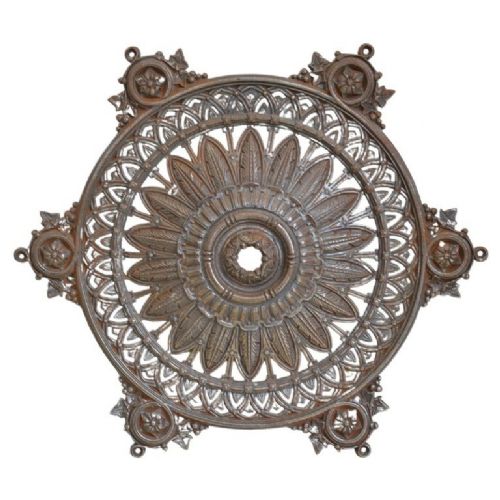
Stylistic markers range from classical profile portraits to Victorian Gothic and Renaissance Revival decorative borders cast in iron and bronze.