

Antique Metal Lions
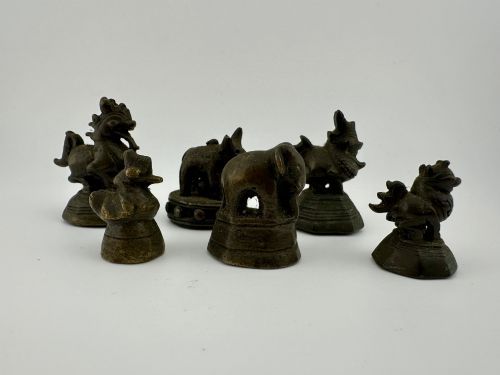
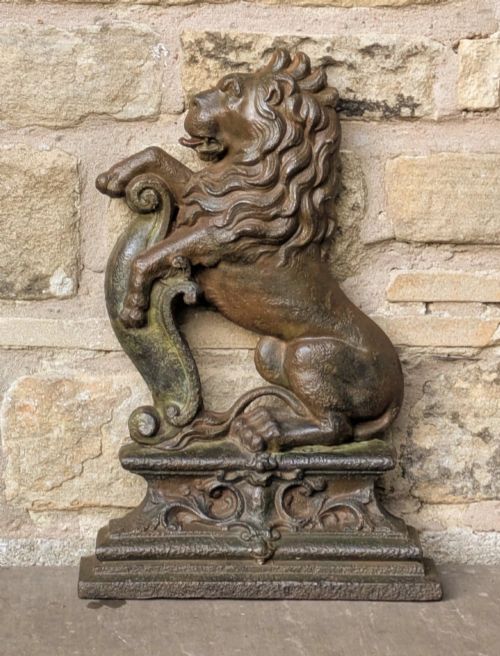
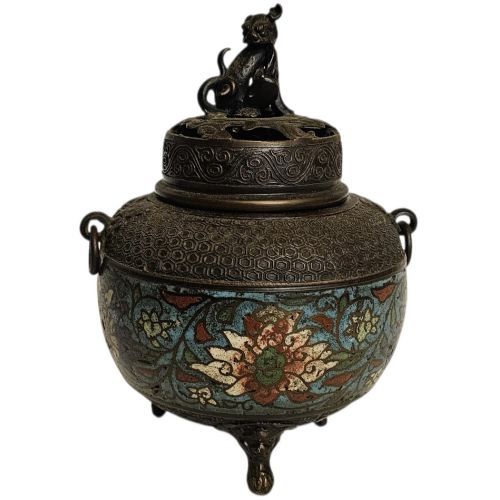
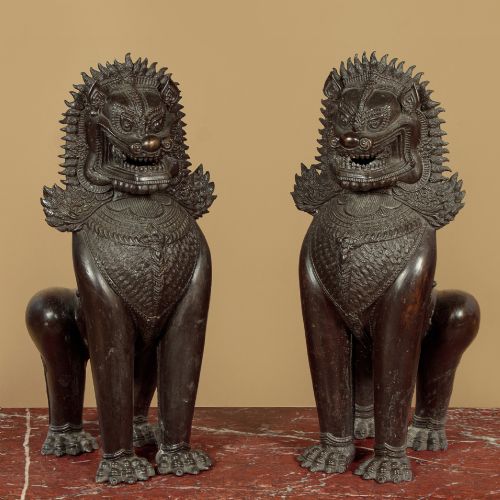
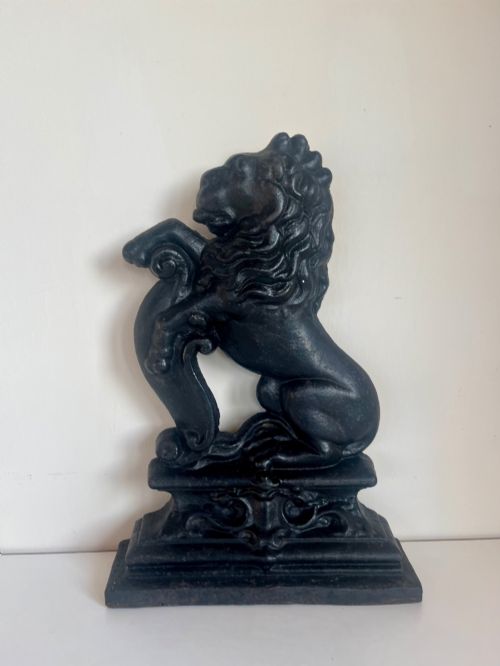
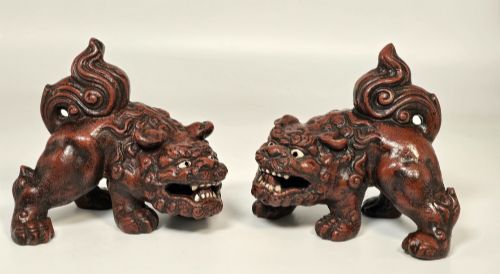
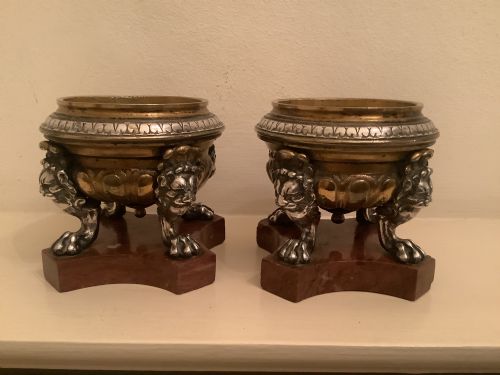
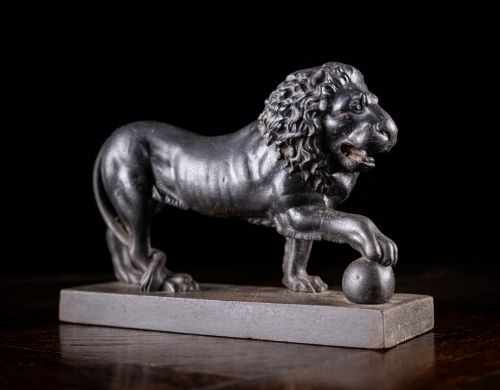
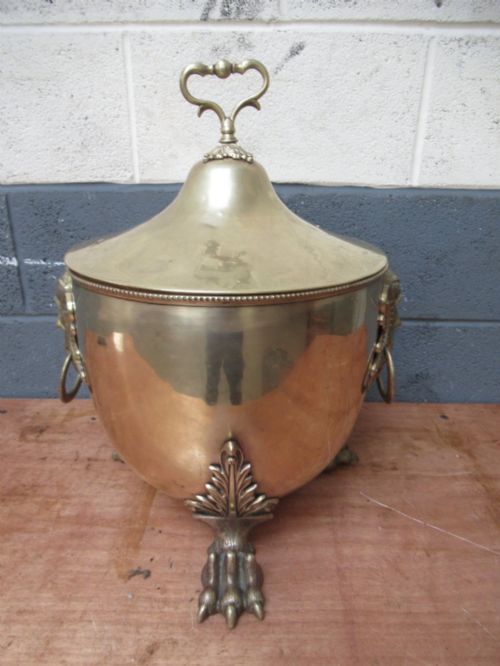
Antique metal lions bring sculptural presence and utilitarism to a room, ranging from hearth doorstops to scholar's censers.
Antique Metal Lions
When you search for antique metal lions, you encounter objects created to serve practical functions or display decorative mastery. The selections span domestic hearth accessories, scholarly desk items, and grand tour models cast in multiple traditions.
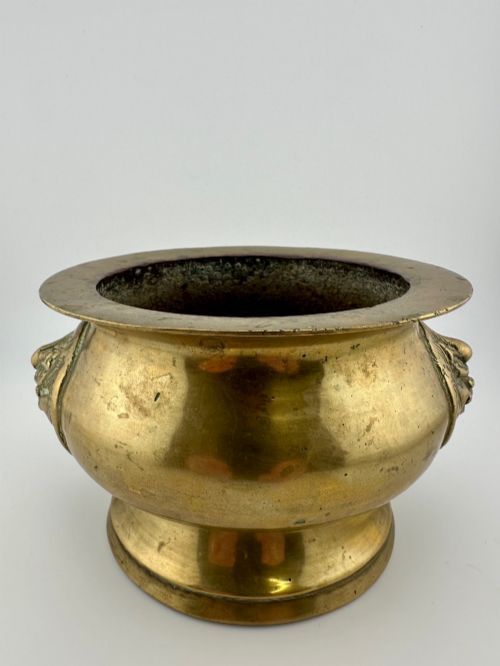
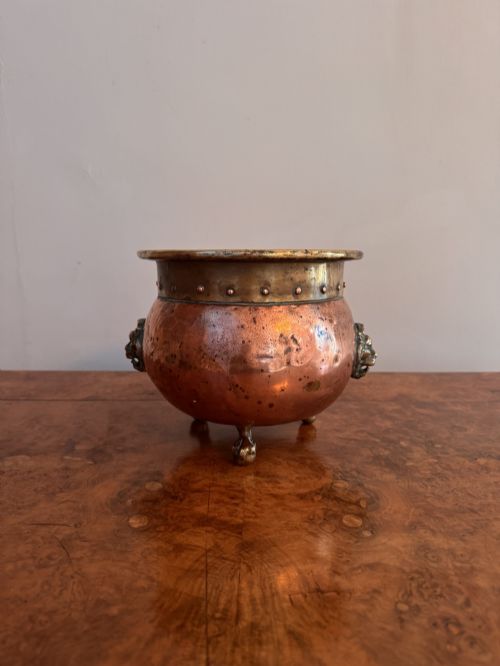
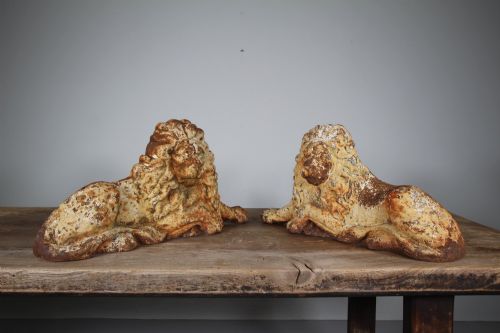
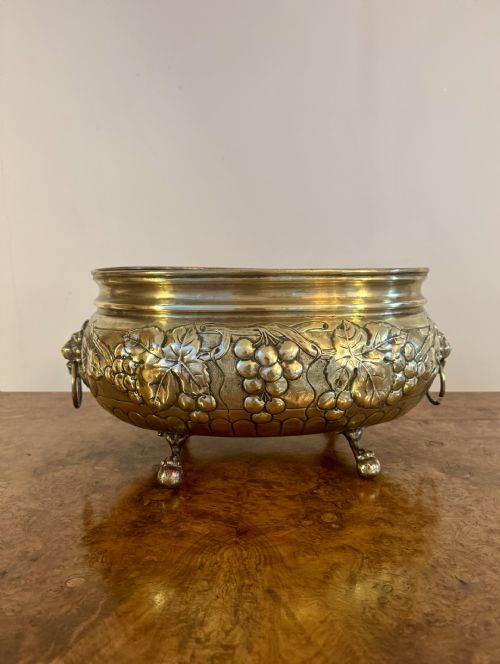
The pieces emerge from several distinct periods, reaching from the seventeenth century through the Victorian era and into the early twentieth century. These include cast iron doorstops, bronze censers with lion mask handles, and brass jardinieres.
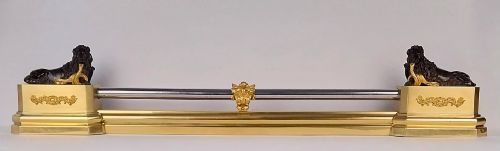
Origin points vary widely across European workshops and Asian traditions, including English domestic pieces, French ormolu works, and Chinese bronzes. This geographic spread dictates the specific form the metal lion takes in domestic decoration.
Materials and construction methods
Foundries utilised brass, bronze, copper, cast iron, and pewter to cast these figures and vessels. Bronze allowed for fine detail in scholarly censers and grand tour sculptures, whilst cast iron provided the heft required for doorstops and garden furniture.
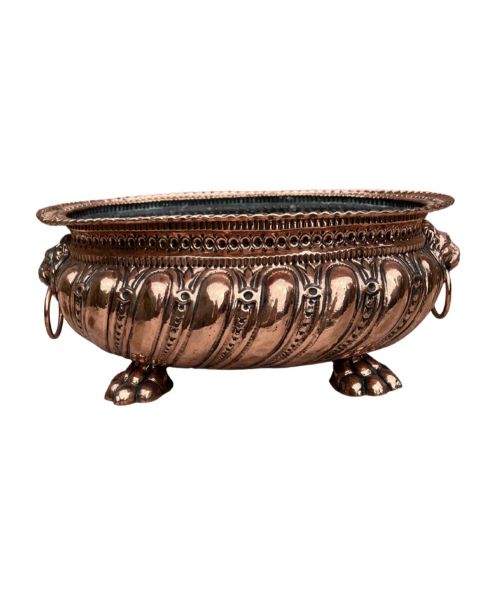
Techniques combine casting, hammering, and embossing, particularly in dinanderie brassware and pierced jardinieres. Artisans applied patination, gilding, or ormolu to finish the metal surfaces, creating contrasting tones between polished brass and darker bronze.
Antique Metal Lions Retail Price Guide 2026
Typical asking prices for metal lions among the pieces listed under this phrase on Sellingantiques today, from the lower quarter to the upper quarter. They describe what is for sale here now, not the wider market.
Object forms range from utilitarian doorstops and log bins to scholarly Chinese censers and French ormolu jardinieres.
Factors determining quality
Weight and metal composition indicate the structural integrity of the piece. Heavier castings, thicker gauge copper, and substantial bronze alloys demonstrate superior substance compared to lighter, hollow alternatives.
Petrus Ramus·C Omin
The Antique Metal Lions Glossary
- Censer
- A vessel used for burning incense. Many antique examples incorporate cast lion masks as structural handles.
- Jardiniere
- An ornamental pot or receptacle for holding plants or flowers. These are frequently fashioned from embossed brass or copper.
- Doorstop
- A heavy weight used to keep a door open. Iron and brass lion figures served this domestic function in nineteenth-century hallways.
- Ormolu
- Finely ground high-carat gold-gilded copper bronze. This technique decorated French decorative objects and mounts.
- Dinanderie
- The medieval and later art of working objects in brass or copper. Pieces often feature embossed and cast surface patterns.
Antique Metal Lions: Frequently Asked Questions
What is a door porter?
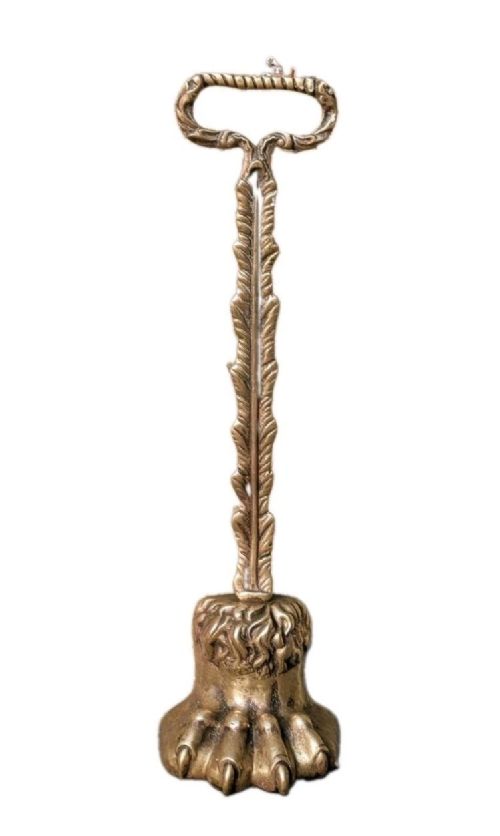
A door porter is an alternative term for a doorstop, designed with a handle at the top so it can be moved without bending down.
Victorian homes utilised these heavy brass and iron lion figures to keep interior doors propped open against draughts.
How do I date a bronze lion?
Dating relies on examining the casting technique, surface patination, and stylistic markers associated with specific periods.
Seventeenth-century scholarly pieces show different patination and handling marks compared to nineteenth-century grand tour casts.
Where were brass jardinieres used?
Brass and copper jardinieres sat in nineteenth-century reception rooms and parlours to hold potted plants and floral displays.
They protect surfaces whilst adding polished metallic reflection to domestic interiors.
What are Canova lions?
Canova lions are neoclassical sculptural models based on the monumental tomb sculptures by Antonio Canova.
Nineteenth-century foundries produced reduced bronze versions of these recumbent guardian figures for collectors.