



Antique Metal Lamp Pair
These antique metal lamp pair selections bring matched illumination and period character to a room through enduring materials.
Antique Metal Lamp Pair
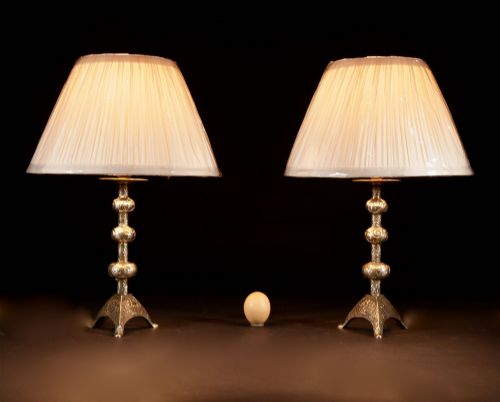
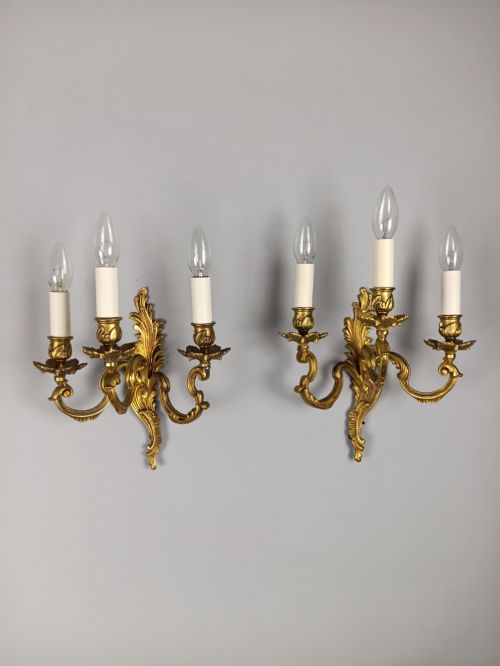
An antique metal lamp pair consists of two matching light fittings fashioned predominantly from substances such as brass, bronze, gilt metal, and cast iron. These matched sets frequently originate from the nineteenth and early twentieth centuries, spanning stylistic movements from Victorian and Rococo Revival to Art Deco.
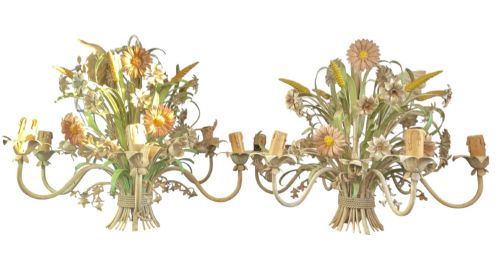
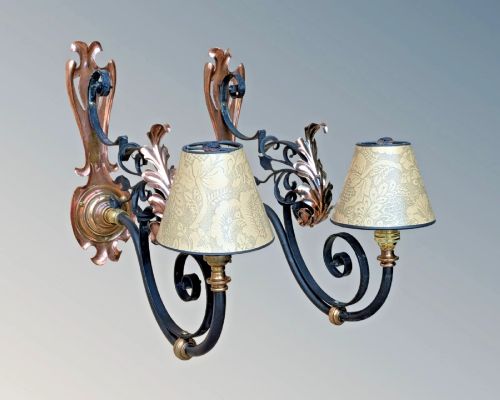
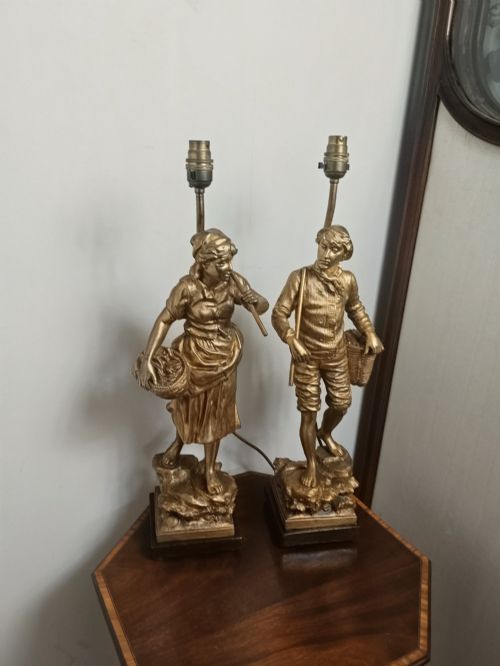
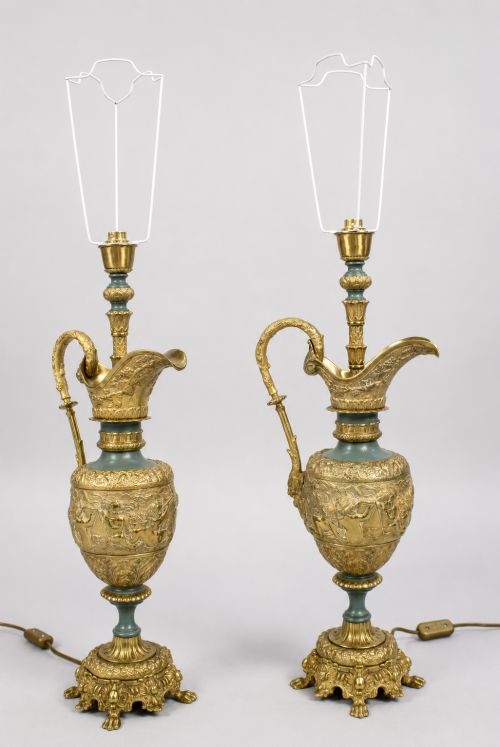
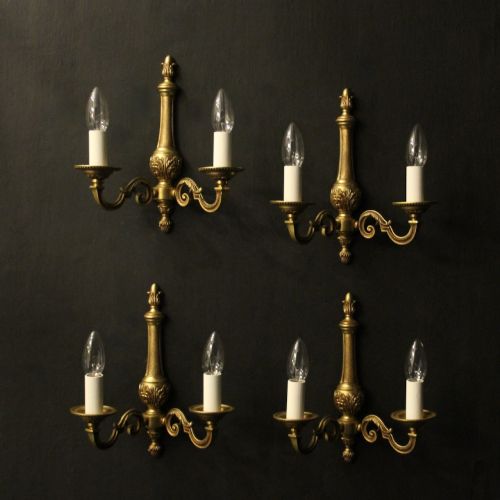
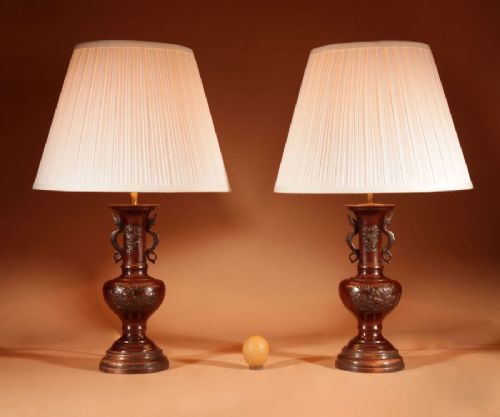
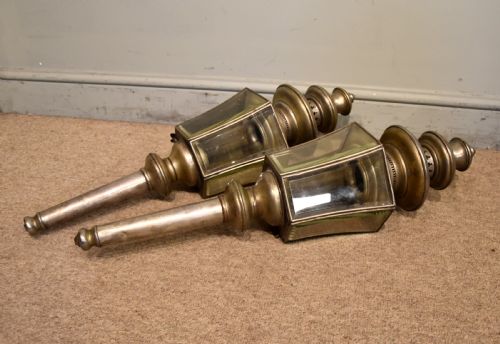
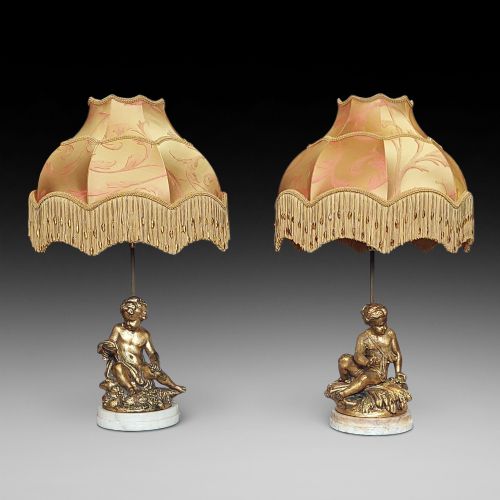
The most common formats met on this page include table lamps and wall lights, alongside converted items such as ewers, candelabra, and coaching lamps. Many examples display the influence of French design, incorporating marble bases, cherub motifs, or tole-peinte finishes alongside standard electrical adaptations.
How they were made
Metalworking techniques heavily rely on casting and forging, utilising heavy brass, cast iron, and bronze to create structural integrity and intricate decorative details. Gilt metal and gilded brass components often receive applied surface treatments to achieve a luminous finish, while items such as wrought iron wall lights demonstrate hand-beaten manipulation.
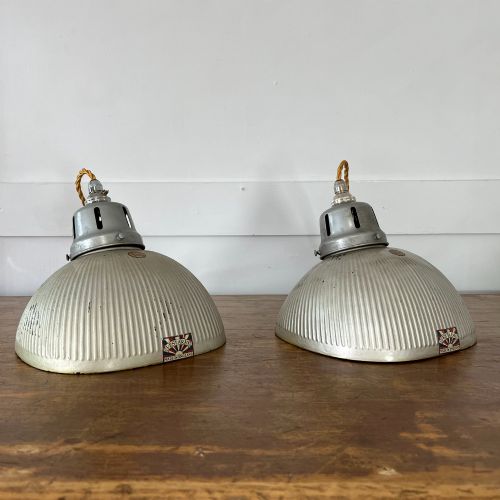
Material combinations frequently pair metalwork with contrasting elements like verde marble bases, onyx, or glass lustres and fabric elements. Many pieces originate from utilitarian roots, such as factory lights, carriage lamps, and gas light candelabras, later adapted for domestic illumination.
Antique Metal Lamp Pair Retail Price Guide 2026
Typical asking prices for metal lamp pair among the pieces listed under this phrase on Sellingantiques today, from the lower quarter to the upper quarter. They describe what is for sale here now, not the wider market.
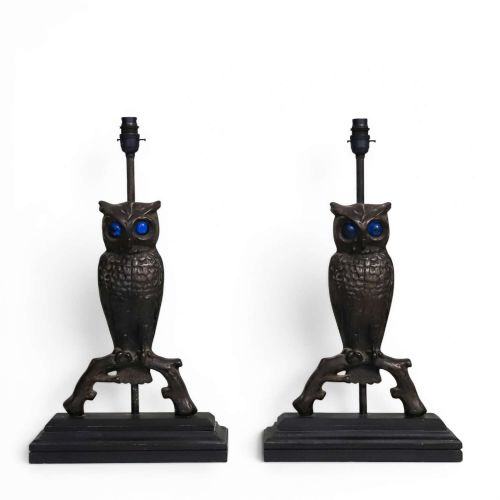
Several sturdy characters on offer began life as fireplace andirons before finding a second career guarding the sideboard.
What varies in quality
The degree of artistic execution in the casting and chasing separates standard production pieces from finer examples, particularly in figural subjects such as cherubs or ewers. Crispness of detail in the metal ornamentation and the integration of secondary materials like marble or cloisonné enamel dictate the distinction.
Originality of form also influences the standard of the piece, distinguishing purpose-built lamp bases from conversions such as adapted vases, andirons, or candelabra. The harmony between the matched pair and the preservation of original surface patination remain central to the integrity of the objects.
E Rousseau
The Antique Metal Lamp Pair Glossary
- Ewer
- A large jug with a wide spout, frequently utilised as the body for converted table lamps during the nineteenth century. These vessels often display classical forms in bronze or gilt metal.
- Tole-peinte
- Painted tinware, commonly found on early twentieth-century column lamps and decorative items. This technique provides a colourful, lacquered surface finish.
- Cairoware
- Metalwork inlaid with silver or gold from the Middle East, occasionally appearing in domestic lighting forms. It brings intricate geometric patterns to the metal surface.
- Cloisonné
- An ancient technique for decorating metal object surfaces using enamel held in thin wire compartments. Chinese examples often serve as bodies for converted lamps.
- Torchère
- A tall ornamental stand intended to carry a light, translating into floor or table lamp forms during the Victorian and Edwardian periods.
Antique Metal Lamp Pair: Frequently Asked Questions
What are antique metal lamp pairs?
These items are matched sets of two light fixtures created from materials like brass, bronze, and gilt metal during the nineteenth and early twentieth centuries. They encompass table lamps, wall sconces, and converted utilitarian objects.
Such pairs were designed to provide balanced illumination and decorative symmetry in period interiors. Their construction reflects the prevailing decorative styles of their respective eras, from Victorian ornate casting to cleaner early twentieth-century lines.
How were these lamps used originally?
Many of these pieces served as primary domestic illumination on tables, sideboards, and walls before electricity became widespread. Some items began as functional lighting like coaching lamps, gas fittings, or factory fixtures.
Others started as decorative objects such as vases, ewers, and andirons before undergoing conversion into lamps. This transition allowed older domestic artefacts to remain useful in electrified homes.
How do I live with a pair?
Integrating a matched pair into a room works best when placing them symmetrically on side tables, mantels, or flanking a mirror. Their substantial metal construction anchors a space and introduces period texture.
Consider the scale of the room and the existing furniture styles when positioning them. They complement both traditional interiors and modern settings by providing a focal point through their metallic finishes and craftsmanship.
How do I tell different periods apart?
Distinguishing between periods relies on observing stylistic motifs and manufacturing techniques evident in the metalwork. Nineteenth-century pieces frequently display heavier cast bronze, ornate Rococo Revival curves, or classical ewer forms.
Early twentieth-century examples often shift toward Arts and Crafts wrought iron, Amsterdam School brass, or streamlined Art Deco torcheres. Examining the base materials, such as the use of onyx or marble, also helps narrow down the production era.