




Antique Metal Jar
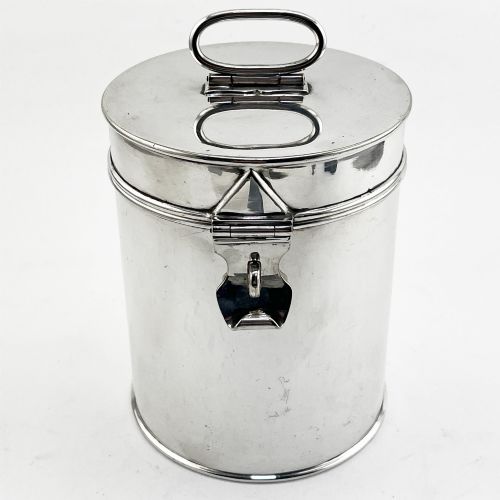
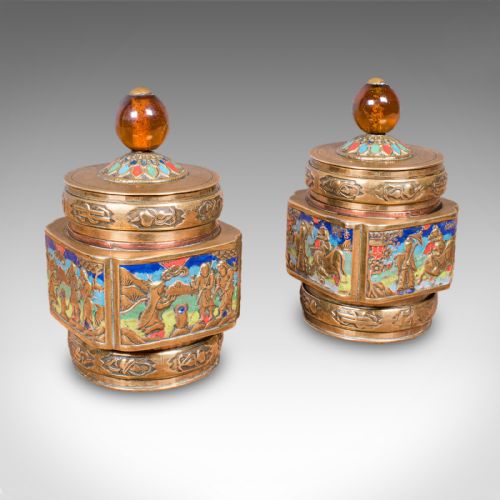
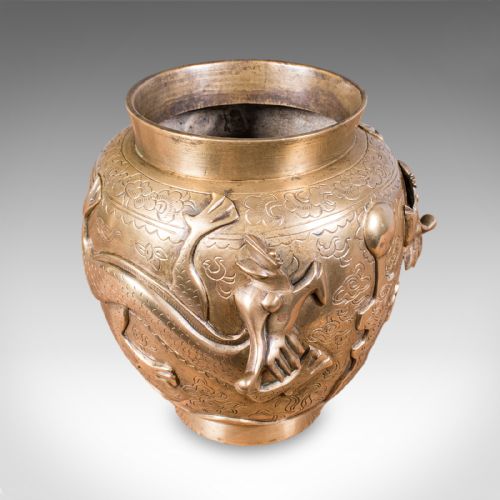
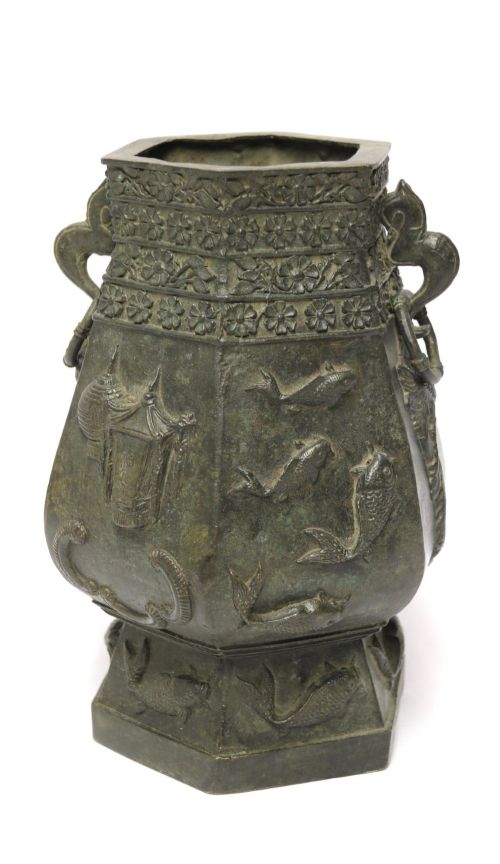
An antique metal jar brings heavy cast bronze, enamelled cloisonné and gleaming silver plate into domestic display spaces with genuine historical weight.
Antique Metal Jar
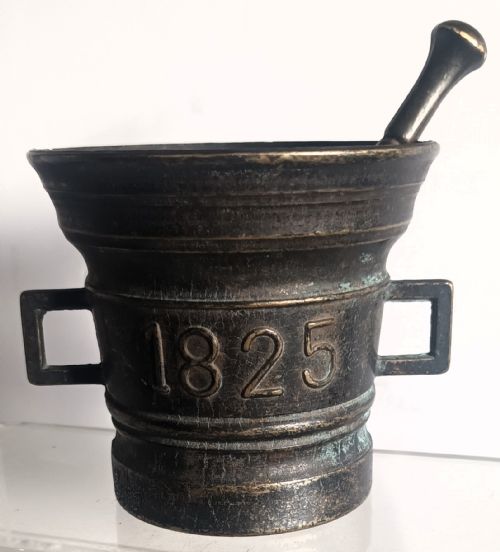
The pieces on this page span from nineteenth-century European utility tins and mortars to intricate Japanese Meiji period cloisonné vessels and heavy African bronze ceremonial containers.
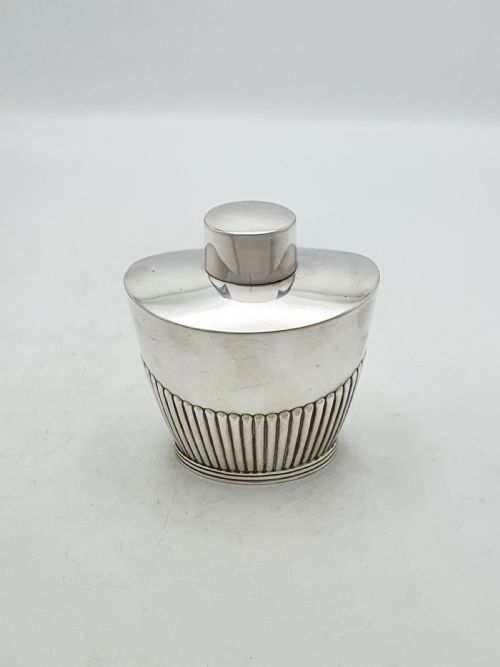
Buyers most frequently meet lidded ginger jars, tea canisters and decorative urns originating from nineteenth-century Japanese workshops or Edwardian English makers.
How they were made
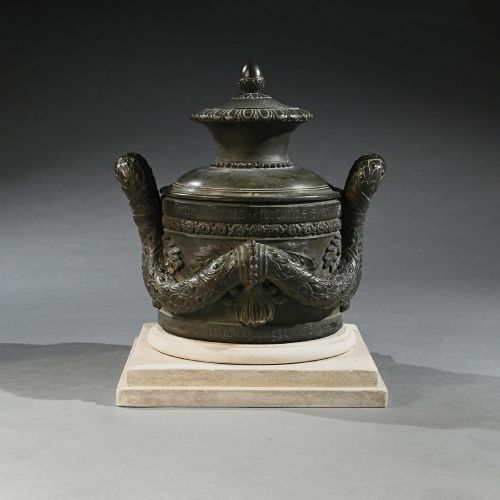
Metal containers rely on traditional casting techniques, where molten bronze or brass is poured into moulds to create solid vessels with substantial weight.
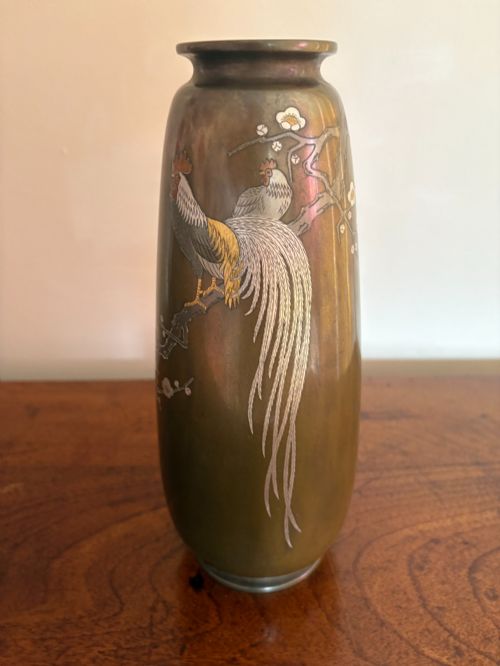
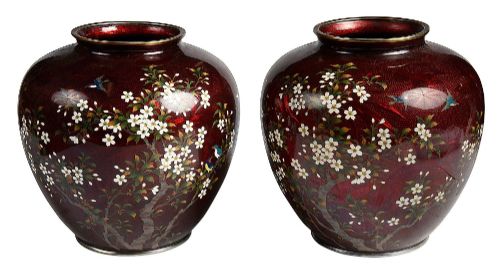
Many Japanese and Chinese decorative jars utilise intricate cloisonné enamel work, applying metallic wire partitions to form cells filled with coloured vitreous paste before firing.
Surface decoration often involves mixed metal inlay, chiselled brass detailing, or applied silver-plated mounts paired with glass bodies.
Antique Metal Jar Retail Price Guide 2026
Typical asking prices for metal jar among the pieces listed under this phrase on Sellingantiques today, from the lower quarter to the upper quarter. They describe what is for sale here now, not the wider market.
Geographic origins span across English, French, Italian, Chinese, Japanese, Tibetan and African workshops.
What varies in quality
Quality rests upon the precision of the casting and the crispness of surface ornamentation, distinguishing masterwork bronzes from standard production items.
In cloisonné and enamel pieces, the uniformity of the wirework cells and the smoothness of the polished vitreous surface mark the difference between standard items and high-end examples.
The integrity of original patination, secure lid fittings and intact metal mounts govern the desirability of each container.
KANASAWA·Mappin & Webb·THOMAS BRADBURY·W.M.F.
The Antique Metal Jar Glossary
- Cloisonné
- An enamel decoration technique where thin metal wires form raised barriers on a metal body to create compartments for coloured paste.
- Ginger jar
- A ceramic or metal bulbous storage vessel originally utilised for holding spices and preserves, typically featuring a fitted lid.
- Tea caddy
- A small container designed specifically to store dry tea leaves securely, often fitted with a lock and internal lid.
- Patina
- The surface sheen and colour acquired by metal through age, handling and environmental exposure over decades.
- Mortar and pestle
- A heavy bowl and club-shaped tool used together for crushing and grinding substances in kitchens or pharmacies.
Antique Metal Jar: Frequently Asked Questions
How were antique metal jars used originally?
Many of these metal containers served practical domestic purposes such as storing tea leaves, tobacco, biscuits or spices in Victorian and Edwardian households.
Other examples functioned as decorative display urns, ceremonial vessels, or apothecary storage jars designed for pharmacies and specialist shops.
How do I clean an antique metal jar?
Dusting gently with a soft, dry cloth preserves the historical surface and natural patination accumulated over the centuries.
Avoid abrasive metal polishes or harsh chemical cleaners, as these agents strip away original patinas and damage delicate enamel or mixed metal inlays.
What is the difference between bronze and brass?
Bronze is an alloy primarily composed of copper combined with tin, resulting in a heavier, darker metal often utilised for grander ceremonial vessels and fine Japanese vases.
Brass consists mainly of copper and zinc, yielding a brighter golden tone frequently seen in Edwardian utility boxes, tea caddies and decorative hardware.
How do I date a Japanese cloisonné jar?
Pieces originating from the Meiji period typically display dense, intricate wirework patterns and rich colour palettes within the enamel cells.
Earlier Edo period examples often feature heavier bronze foundations with distinct potting characteristics and more restrained decorative motifs.