

Antique Metal Incense Burner
When seeking an antique metal incense burner, you explore vessels shaped by centuries of ritual, scholarly refinement, and metallurgical skill.
Antique Metal Incense Burner
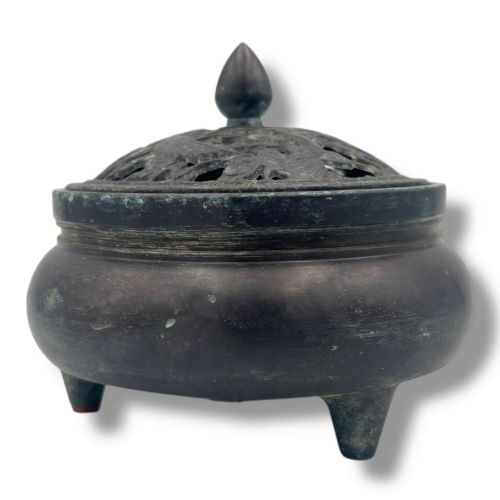
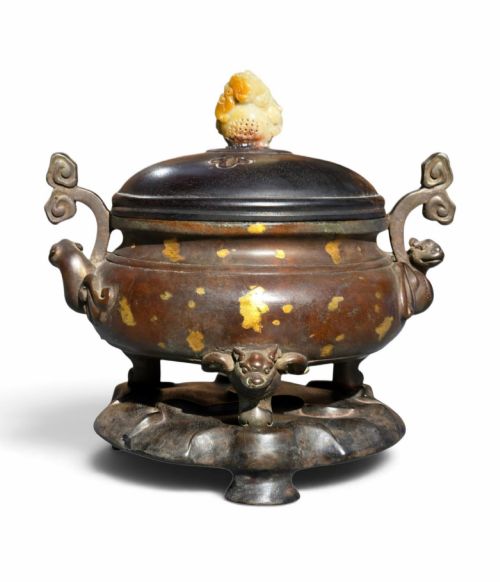
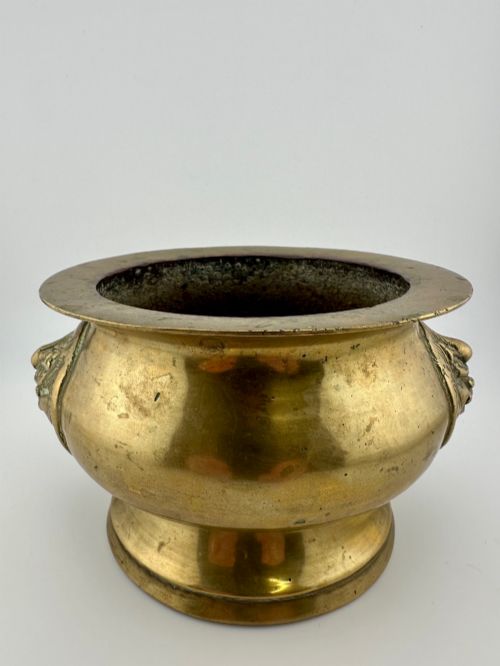
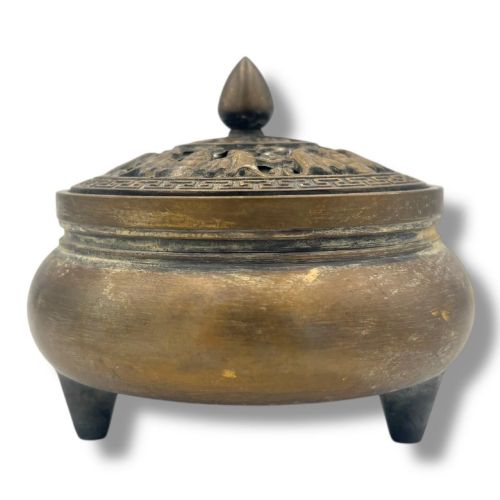
An antique metal incense burner is a vessel designed to hold burning aromatic materials, commonly encountered in forms such as tripod censers, lidded vessels, and ritual tripods.
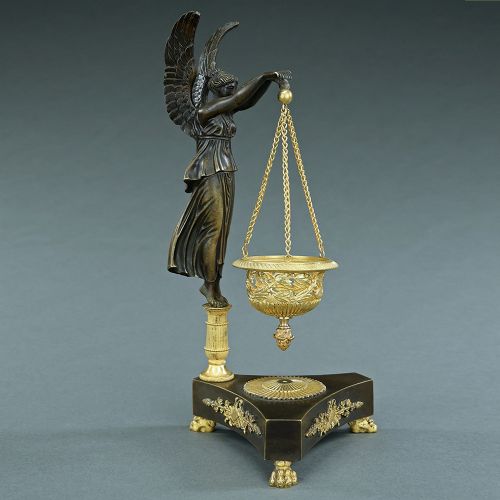
The pieces available span multiple centuries, originating predominantly from Chinese Ming and Qing dynasties as well as the Japanese Meiji period, alongside select European adaptations.
Scholarly studio pieces and ritual temple bronzes dominate the selection, often accompanied by custom hardwood stands and pierced covers.
How They Were Made
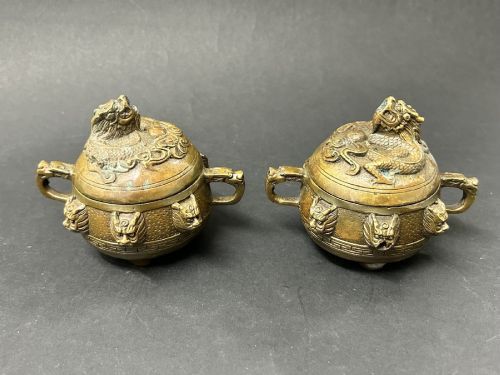
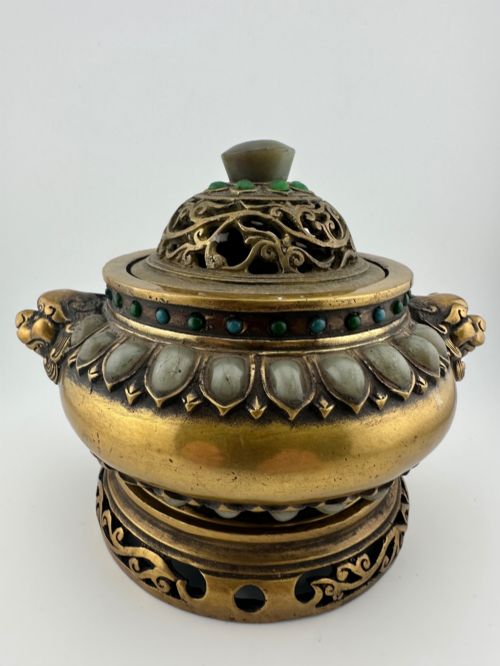
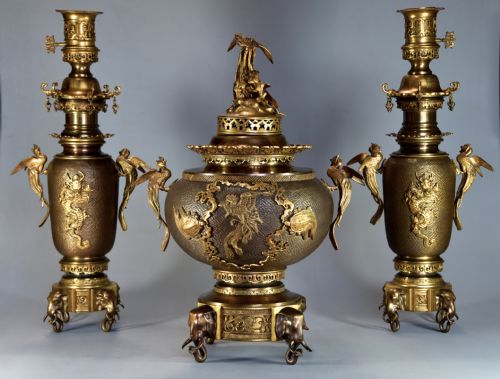
Craftsmen utilised lost-wax casting methods to produce heavy bronze and brass bodies, allowing for precise rendering of tripod legs, handles shaped as lions or elephant heads, and intricate relief panels.
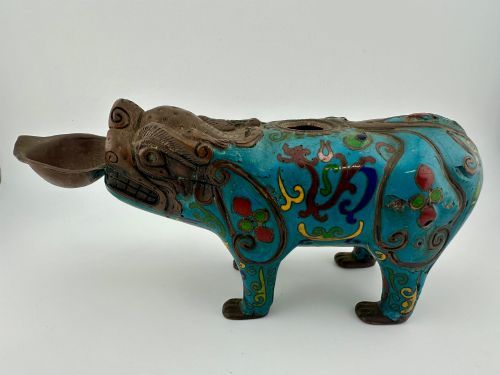
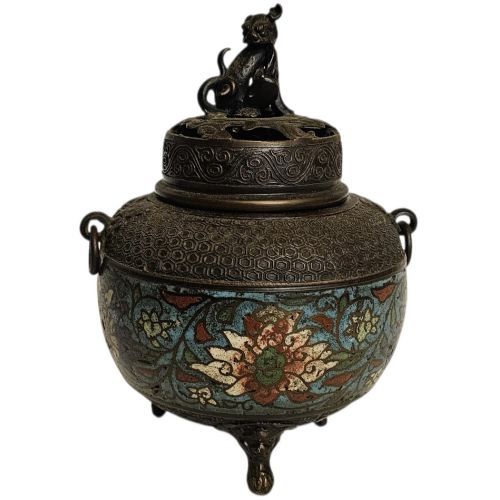
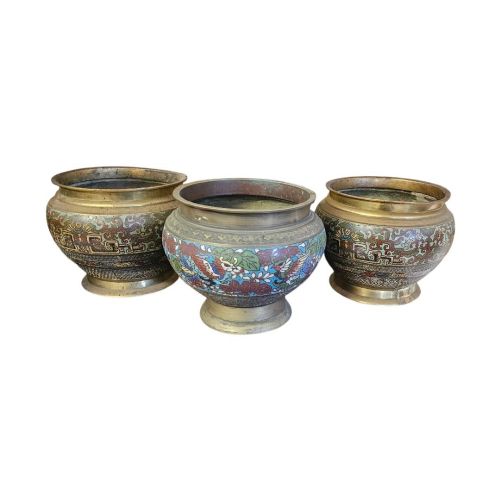
Decoration was achieved through diverse techniques including champlevé and cloisonné enamel work, gold-splashing, hardstone inlay, and the application of chemical patination to age the metal surfaces.
Antique Metal Incense Burner Retail Price Guide 2026
Typical asking prices for metal incense burner among the pieces listed under this phrase on Sellingantiques today, from the lower quarter to the upper quarter. They describe what is for sale here now, not the wider market.
Included items range from Ming dynasty scholar's censers and Qing archaistic tripods to Japanese Meiji period koro and European Japonisme sets.
What Varies in Quality
Quality rests in the casting weight and wall density, where heavier scholar's pieces offer a resonant bell-like tone and substantial presence.
The crispness of chased details, the deliberate balance of the patina, and the integrity of applied marks or seals distinguish standard domestic vessels from master-cast examples.
The Antique Metal Incense Burner Glossary
- Censer
- A vessel used for burning incense. These often stand on three feet and feature pierced lids to release fragrant smoke.
- Tripod
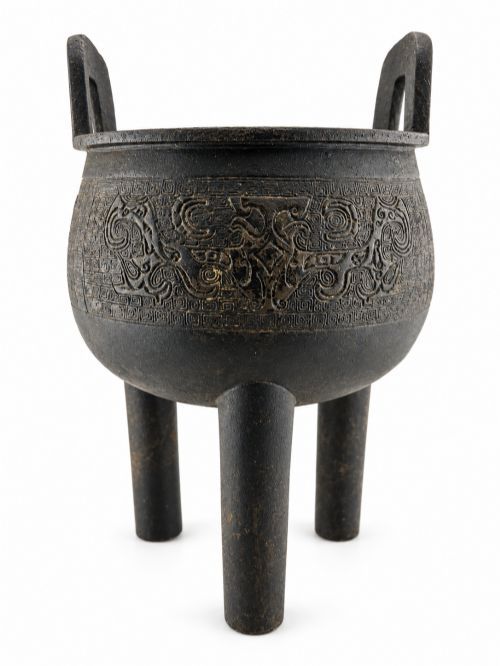
- A vessel supported by three legs. This structural form provides stability for ritual and scholarly burners.
- Cloisonne
- A decorative metalwork technique where enamel paste is applied within compartments created by soldered wire. The piece is then fired and polished smooth.
- Patina
- The surface sheen and coloration developed through age or chemical treatment. Collectors value stable patinas for their depth and tactile warmth.
Antique Metal Incense Burner: Frequently Asked Questions
How were antique incense burners used?
These vessels were placed in scholars' studies, temples, and domestic interiors to burn aromatic resins and woods. The rising smoke aided meditation, timekeeping, and the purification of living spaces.
Many featured fitted covers pierced with floral or geometric patterns to regulate the release of fragrance. They served as both functional items and contemplative art objects.
What is a scholar's censer?
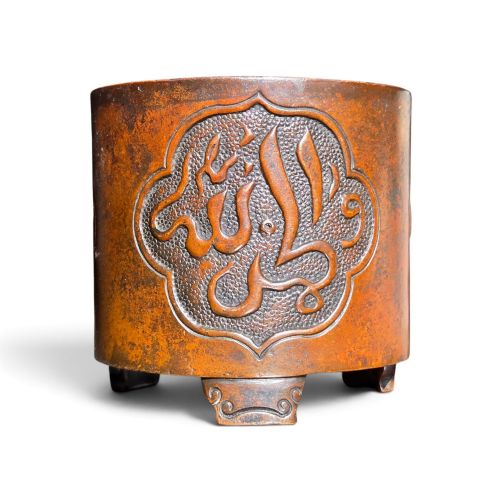
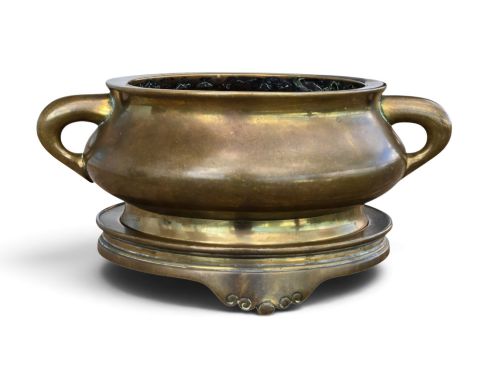
A scholar's censer is a portable, understated bronze vessel created for the desk of a Chinese literatus. These pieces prioritize subtle patination, balanced form, and tactile weight over ostentatious decoration.
Often bearing apocryphal or period studio marks, they were designed to be handled, admired, and appreciated for their quiet refinement during quiet contemplation.
How do I identify Chinese archaic styles?
Archaistic pieces emulate the ritual bronzes of the Shang and Zhou dynasties, featuring motifs like taotie masks and leiwen thunder patterns. These later interpretations were particularly popular during the Ming and Qing periods.
They are distinguished by heavier casting, stylized animal-head handles, and forms derived from ancient ritual vessels rather than contemporary domesticware.
What are Japanese Koro?
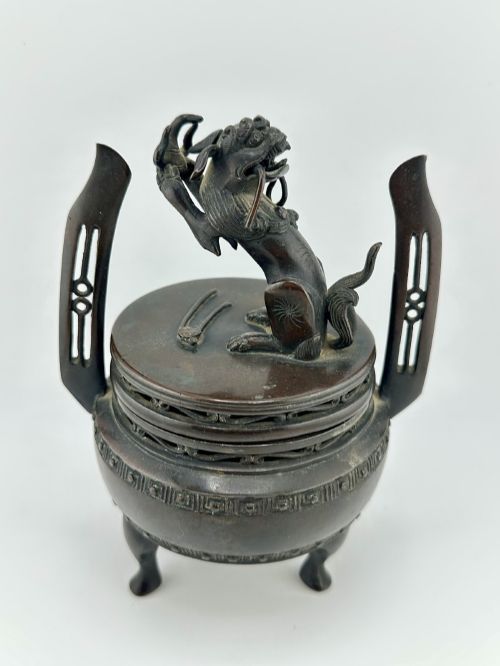
Koro is the Japanese term for an incense burner, frequently produced in bronze or cloisonne enamel during the Meiji period. These pieces often incorporate whimsical animal finials, such as goats or mythical beasts.
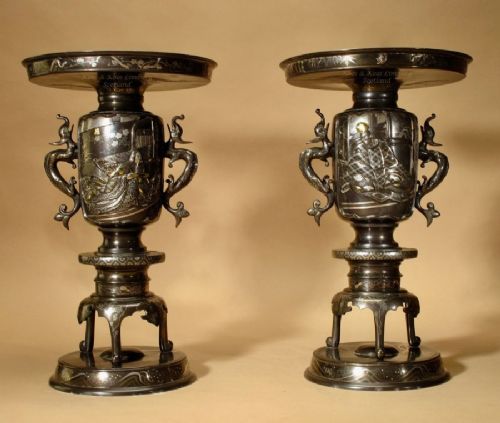
Unlike heavier Chinese scholar bronzes, Meiji period examples often showcase theatrical narrative scenes, intricate metal inlay, and experimental patinas influenced by international trade.