



Antique Metal Horses
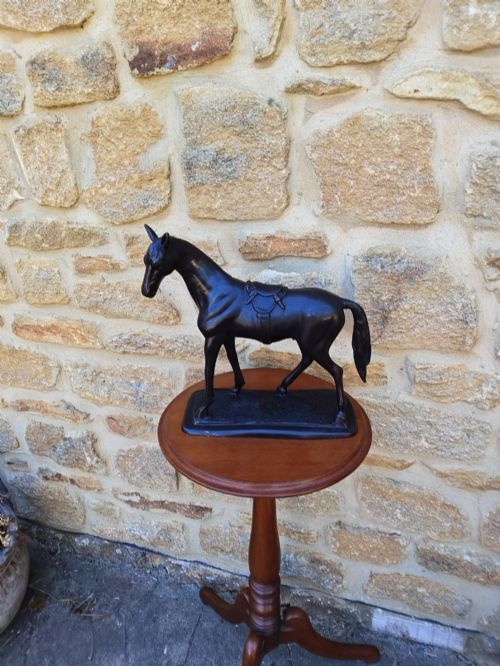
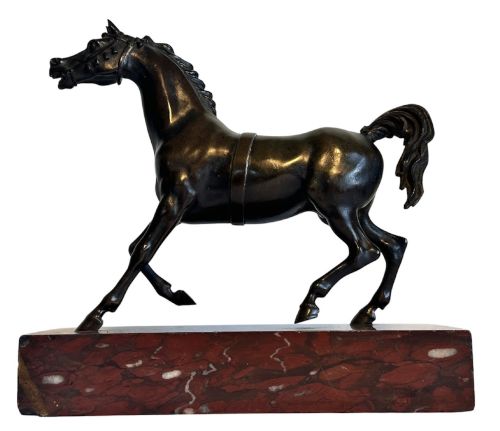
Antique metal horses comprise sculptural figures, heavy doorstops, and architectural weathervanes cast or beaten from bronze, iron, and brass across the nineteenth and twentieth centuries.
Antique Metal Horses
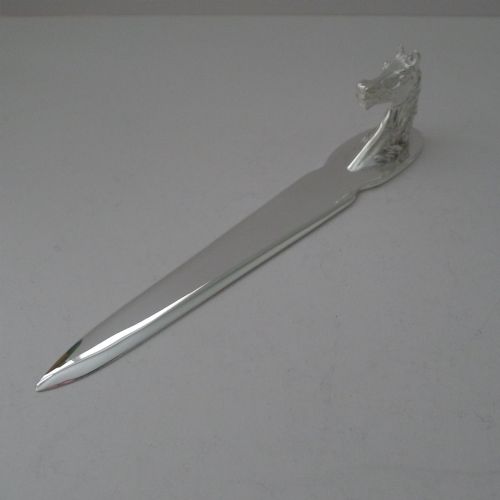
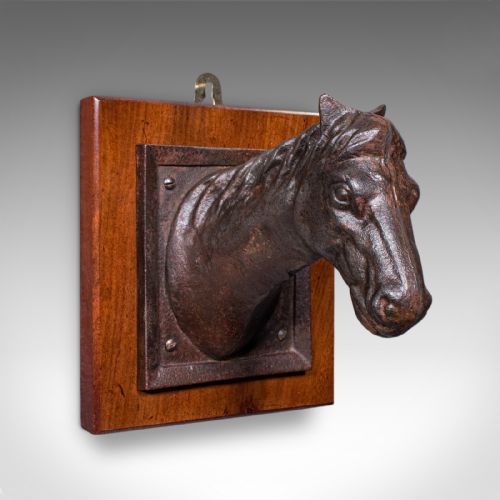
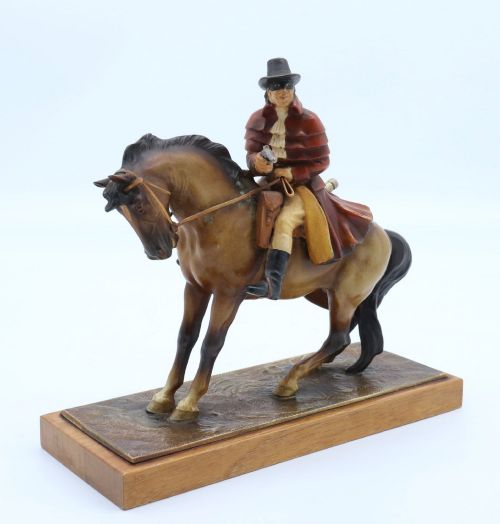
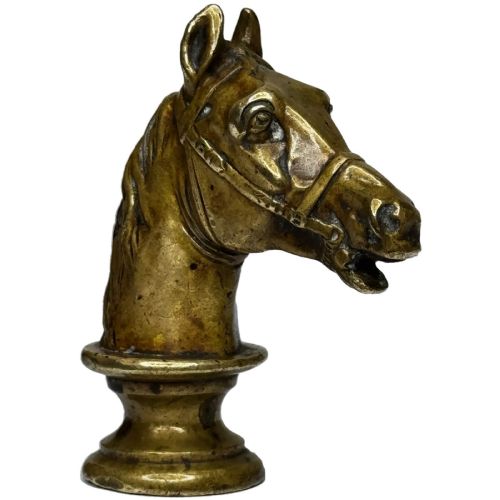
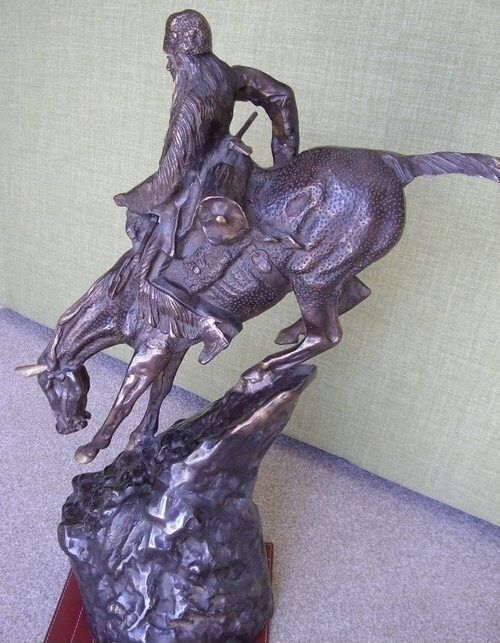
Antique metal horses cover a diverse range of functional and decorative objects from sculptures and doorstops to weathervanes and desk accessories. Pieces span the Georgian, Victorian, and Edwardian eras into the twentieth century, reflecting varied manufacturing traditions.
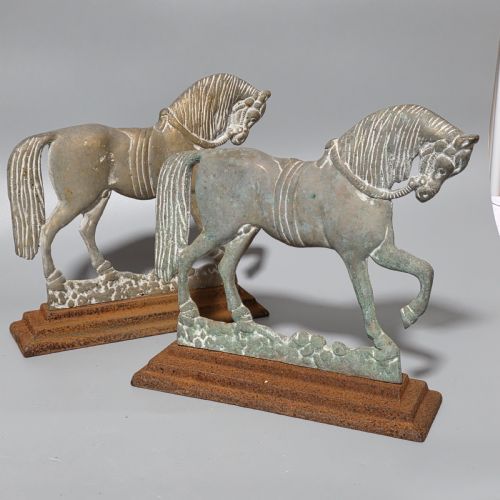
The most common finds on this page are nineteenth-century cast iron and brass doorstops, alongside twentieth-century bronze animalier figures. These encompass both domestic household items and architectural elements like sheet metal weathervanes.
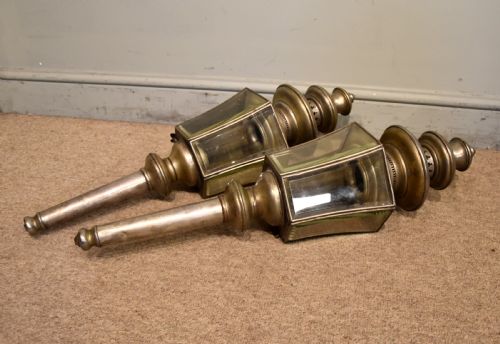
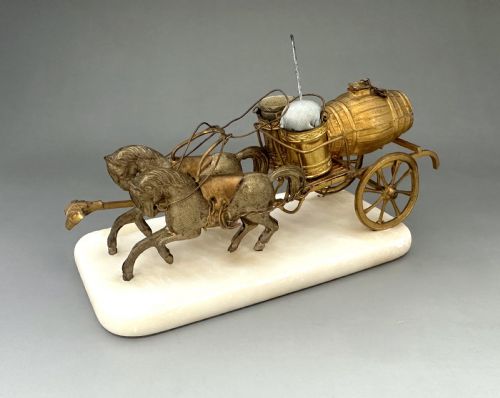
Makers and origins range from English domestic foundries to French animalier sculptors and Austrian cold-painted studios. The grouping also includes specialised items like carriage lamps, hitching posts, and sewing companions featuring equine motifs.
How they were made
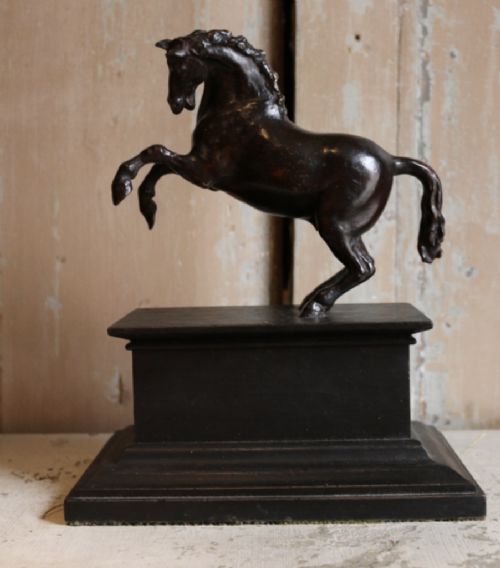
Foundries utilised traditional sand-casting techniques for heavy metals like iron and brass, pouring molten material into moulds to create solid doorstops and hitching posts. Bronze sculptures often employed the lost-wax method to capture fine anatomical detail in figures and reliefs.
Sheet iron and copper were beaten, cut, and shaped by hand to create lightweight architectural weathervanes designed to weather the elements outdoors. Surface finishes varied from cold painting and gilding to natural patination on unpainted bronze and iron.
Antique Metal Horses Retail Price Guide 2026
Typical asking prices for metal horses among the pieces listed under this phrase on Sellingantiques today, from the lower quarter to the upper quarter. They describe what is for sale here now, not the wider market.
A solitary bronze horse nostril survives here, reminding us that even the smallest fragment of a grand nineteenth-century statue finds a new collector.
What varies in quality
Original surface treatments and patination dictate the desirability of a piece, with surviving cold paint or genuine age-derived patinas holding more appeal than later refinishing. Structural integrity in functional items like doorstops and weathervanes also influences overall execution.
The Antique Metal Horses Glossary
- Animalier
- A nineteenth-century artistic style and movement focusing on realistic depictions of animals, particularly horses and lions. Practitioners utilised bronze extensively to capture dynamic motion and anatomical precision.
- Cold-painted bronze
- A manufacturing method where bronze figures were painted with cold enamel paints rather than fired in a kiln. This technique gained popularity in Austrian workshops during the late nineteenth and early twentieth centuries.
- Weathervane
- An architectural instrument placed on rooves to indicate wind direction, frequently fashioned from sheet iron or copper into galloping horses. These combined utility with folk art craftsmanship.
- Intaglio
- A gem or seal carved incuse so that the design impresses into a substance like sealing wax. Georgian examples often featured horse head armorial motifs for correspondence.
Antique Metal Horses: Frequently Asked Questions
How do I date an iron horse doorstop?
Nineteenth-century iron doorstops exhibit heavy sand-casting textures with distinct parting lines and hand-finished details. Earlier Victorian examples often feature registration marks or heavier mass compared to later reproductions.
Examine the underside and interior surfaces for oxidation patterns and tool marks consistent with nineteenth-century foundry practices. Surface paint layers, if original, also help corroborate the period of manufacture.
What is an animalier bronze horse?
Animalier bronze horses are nineteenth-century sculptures created by artists who specialised in realistic animal anatomy and movement. These pieces range from small cabinet figures to large library mantel ornaments.
French and Austrian foundries produced many of these works, utilising the lost-wax casting method to preserve fine muscle definition and texture.
Were metal horse weather vanes used outdoors?
Sheet metal weathervanes functioned as practical rooftop instruments to show wind direction on barns and stables. Makers cut and beat copper or iron into silhouettes of galloping horses.
Exposure to weather over decades creates natural patination and surface wear that distinguishes genuine early examples from modern garden decor.
How were brass horse doorstops used?
Heavy brass and bronze horse figures served as door porters or doorstops in grand nineteenth-century homes to keep heavy interior doors propped open. Their substantial weight prevented doors from swinging shut in draughty hallways.
Collectors today place them on floors as decorative accents or display them on shelving alongside other equestrian metalwork.