



Antique Metal Hod
An antique metal hod brings warmth and solid craftsmanship to a fireside, offering a practical vessel that doubles as a striking decorative focal point.
Antique Metal Hod
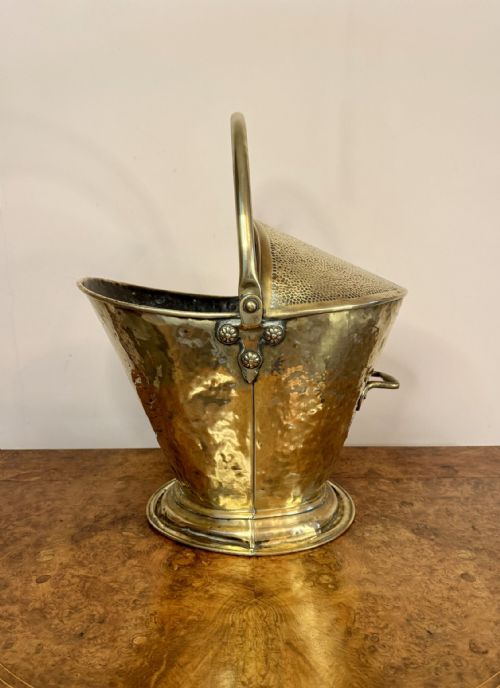
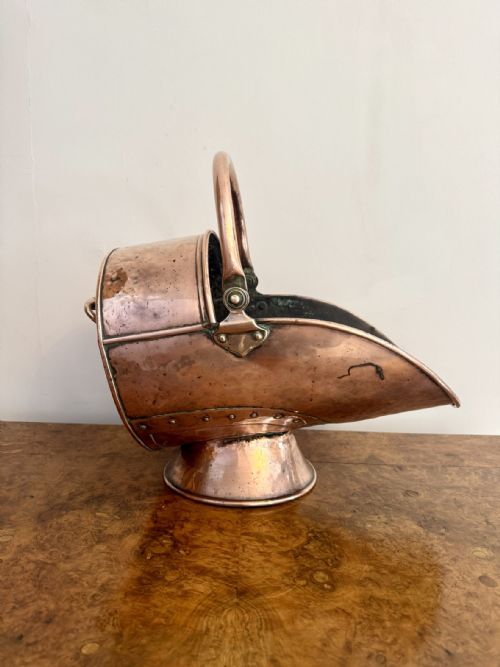
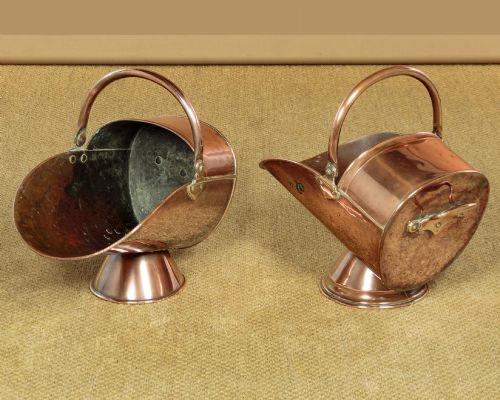
When searching for an antique metal hod, you encounter functional coal scuttles, buckets, bins, and agricultural grape carriers originating from the Georgian, Victorian, Edwardian, and Regency eras. These pieces bridge the gap between utilitarian storage and period design, often manifesting as helmet-shaped vessels or straight-sided bins.
Materials and construction
Makers relied heavily on sheet copper and brass, hammering the metal sheets into shape and joining seams with rivets or solder. Iron and wrought iron provided structural strength for handles, swing bails, and internal liners.
Surface finishing involved hand-beating techniques such as hammer-beaten textures, alongside polished finishes and occasional painted or decorated wooden elements. Zinc also appears in liners and secondary components, adding durability to moisture-prone interiors.
Antique Metal Hod Retail Price Guide 2026
Typical asking prices for metal hod among the pieces listed under this phrase on Sellingantiques today, from the lower quarter to the upper quarter. They describe what is for sale here now, not the wider market.
Listings span the eighteenth, nineteenth, and early twentieth centuries, capturing shifts from George III utilitarian forms to ornate Victorian and Edwardian domestic metalwork.
Assessing quality and craftsmanship
The calibre of a piece rests on the weight of the metal and the integrity of its hand-formed construction. Heavier gauge copper and brass with clean, hand-beaten texturing or well-executed dovetail joints denote superior workshop standards.
Proportion and decorative restraint elevate finer examples, particularly where handles, fixings, and original shovels integrate seamlessly into the overall design. Pieces displaying fluid Art Nouveau or Arts and Crafts stylistic details command attention through purposeful, artistic metalwork.
The Antique Metal Hod Glossary
- Coal Scuttle
- A domestic container designed for holding and transporting coal to a fireplace. These often feature a sloping chute or helmet profile to direct the fuel cleanly.
- Hotter
- Also known as a hotte, this is a deep, tapered carrying basket traditionally strapped to the back for gathering grapes during the harvest. Their distinctive shape translates well to decorative freestanding vessels.
- Helmet Shaped
- A profile curving upward at the back and sweeping down toward a pouring lip, characteristic of many formal Victorian and Georgian coal containers.
- Arts and Crafts
- A design movement prioritising handcraftsmanship, simple forms, and visible construction methods over mass-produced ornamentation.
- Art Nouveau
- A stylistic period defined by flowing, organic lines and natural motifs, frequently expressed through repoussé work on metal surfaces.
Antique Metal Hod: Frequently Asked Questions
What is an antique metal hod?
An antique metal hod is a utilitarian container, typically formed from copper, brass, or iron, used historically for carrying fuel like coal or harvesting agricultural crops such as grapes.
Over time, these durable vessels transitioned from strictly functional farm and fireside tools into decorative interior objects valued for their metal patination and period character.
How were these metal vessels used?
In British homes, coal hods and scuttles sat beside the hearth to store and transport coal cleanly to the fire grate, often utilising an included small shovel for transfer.
In French vineyards, similar metal hottes served as deep backpack baskets for workers to collect grapes during the harvest before being emptied into larger vats.
How do I live with an antique metal hod?
These pieces integrate easily into modern rooms by serving as stylish storage bins for firewood, kindling, blankets, or large house plants.
Placing a liner inside older metal containers protects the historic interior from moisture and debris while keeping the exterior display ready.
How can I tell the period of a metal hod?
Dating relies on observing stylistic markers, manufacturing techniques, and the choice of materials typical of specific eras like the Georgian, Victorian, or Edwardian periods.
For instance, heavier hand-beaten copper work and specific decorative motifs point directly toward Arts and Crafts or Art Nouveau production around the turn of the twentieth century.