





Antique Metal Hearth Tools
These antique metal hearth tools are the functional and decorative implements used around the fireplace, chosen to bring period character and utility to a room.
Antique Metal Hearth Tools
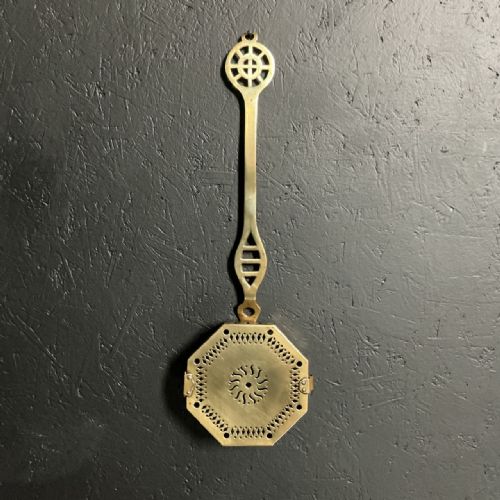
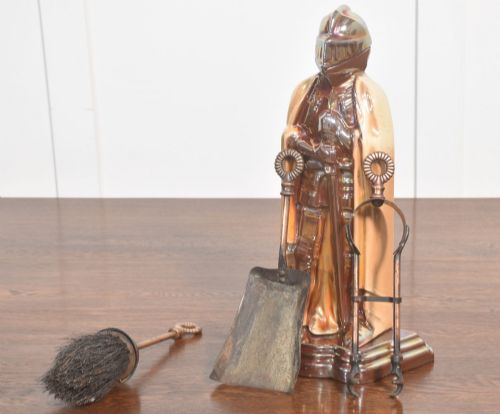
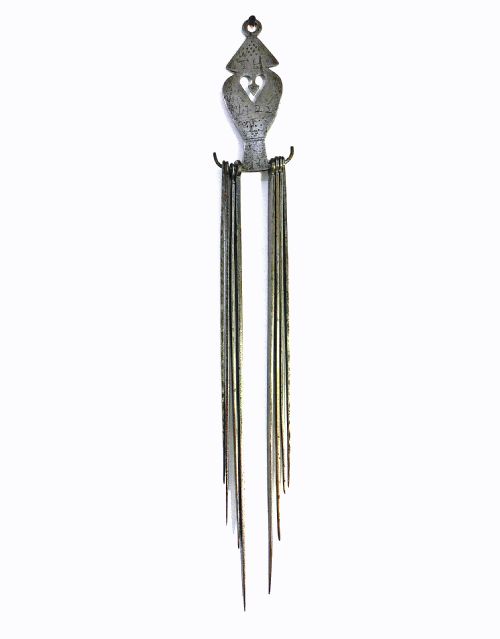
When searching for antique metal hearth tools, you encounter a diverse array of fireplace accessories designed for managing fires and warming food. The selection spans from robust fire irons and companion sets to specialised implements like chestnut roasters, toasting forks, and meat skewers.
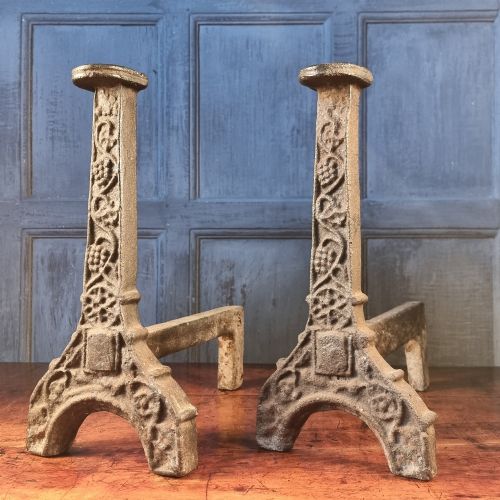
You are most likely to meet 19th-century and Georgian pieces on this page, alongside earlier examples including 16th-century firedogs and 18th-century wrought iron pieces. These items originate from British, American, and European workshops, reflecting both rustic country traditions and refined period styling.
Materials and Craftsmanship
The construction of these hearth implements relies primarily on ferrous and non-ferrous metals such as wrought iron, cast iron, steel, polished steel, brass, copper, and gun metal. Smiths and metalworkers utilised hand forging and casting techniques to shape these durable materials into functional shapes that could withstand intense fireplace heat.
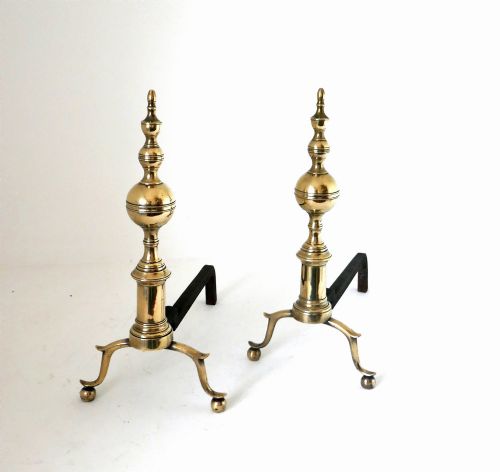
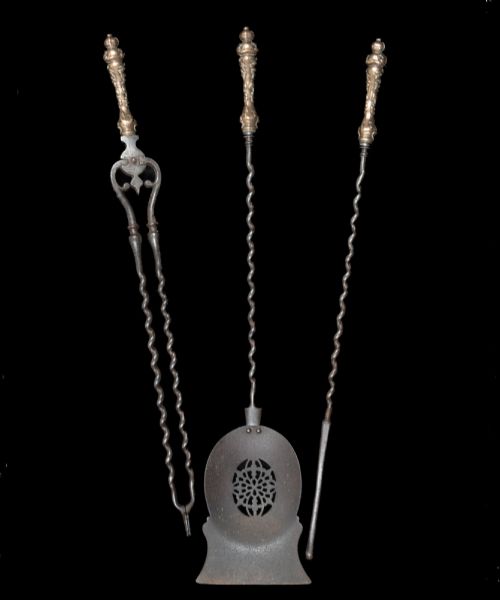
Combinations of brass and iron frequently appear, particularly in andirons and companion sets where polished decorative elements contrast with robust structural metal. Wooden elements, such as yew wood and mahogany, occasionally integrate into handles on items like toasting forks.
Antique Metal Hearth Tools Retail Price Guide 2026
Typical asking prices for metal hearth tools among the pieces listed under this phrase on Sellingantiques today, from the lower quarter to the upper quarter. They describe what is for sale here now, not the wider market.
Listings feature periods ranging from the 16th century through the Georgian and Victorian eras up to the early 20th century.
Judging Quality and Execution
Quality in these hearth implements rests upon the integrity of the forging and the finesse of the metal finish. Pieces featuring hand-forged details, burnished steel surfaces, or well-cast brass elements demonstrate superior craftsmanship compared to simpler production items.
The degree of preservation and the retention of original matching components, such as full sets of fire irons or paired andirons, elevate the standing of an object. Evidence of thoughtful design, such as engraved decoration or extendable mechanisms, marks the higher tier of the range.
The Antique Metal Hearth Tools Glossary
- Andirons
- Supports for logs in an open fireplace, typically cast or forged in pairs. They often feature decorative fronts and horizontal bars to hold burning wood.
- Firedogs
- Alternative term for andirons used to support firewood in the hearth. They frequently match companion fire irons in material and style.
- Companion Set
- A collection of fireplace tools, such as pokers, tongs, and shovels, housed together on a stand or holder. These sets standardise the metalwork displayed beside the hearth.
- Toasting Fork
- A long-handled utensil historically used for roasting bread or meat over an open fire. Examples often combine iron or steel with wooden handles.
- Fender
- A low metal guard placed around the hearth to contain embers and ash. They appear in cast iron, brass, and polished steel across various periods.
Antique Metal Hearth Tools: Frequently Asked Questions
What are antique hearth tools made from?
These implements are constructed from metals including wrought iron, cast iron, steel, polished steel, brass, copper, and gun metal. Smiths often combined these materials, pairing iron bodies with polished brass finials or incorporating wooden handles on utensils.
Durability was paramount for items subjected to daily heat and ash, resulting in robust construction methods that survived centuries of use.
How do I date a set of fire irons?
Dating relies on observing the manufacturing techniques, material finishes, and stylistic motifs present on the pieces. Georgian examples often display refined steel work, while Victorian sets frequently incorporate bright brass elements and Gothic Revival or rustic influences.
Form also provides clues, as the shift from hand-forged 18th-century ironwork to 19th-century industrial production methods changes the surface texture and assembly details of the metal.
Were chestnut roasters and toasting forks actually used?
These specialised utensils were practical kitchen and parlour tools designed for preparing food directly over an open coal or wood fire. Long metal shafts kept the user at a safe distance from the heat while roasting chestnuts or toasting bread.
Over time, many of these utilitarian objects transitioned into decorative fireside ornaments as hearth habits changed.
What is the difference between andirons and firedogs?
Andirons and firedogs refer to the same fundamental fireplace accessories used to elevate logs for better air circulation and burning. The terms are often used interchangeably in historical listings and regional descriptions.
Both serve the dual purpose of supporting firewood and providing a decorative focal point on the hearth floor.