

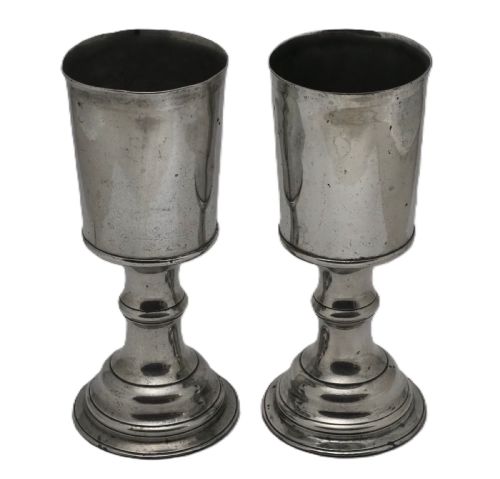

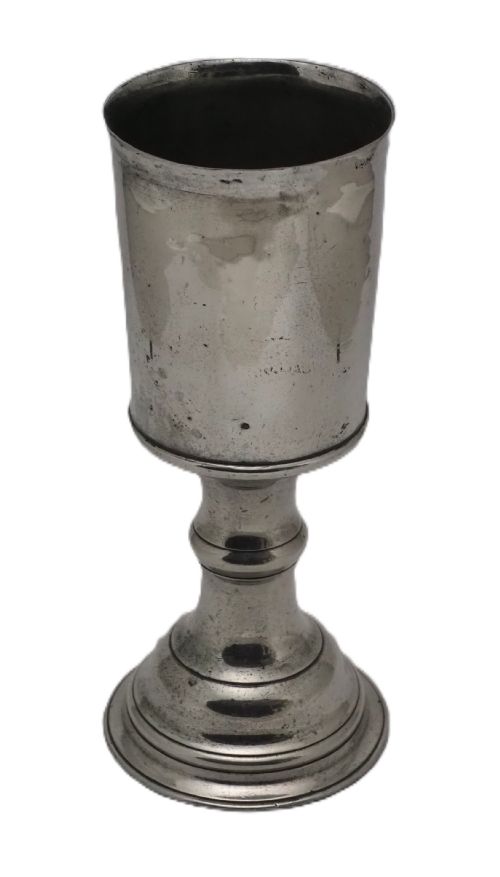


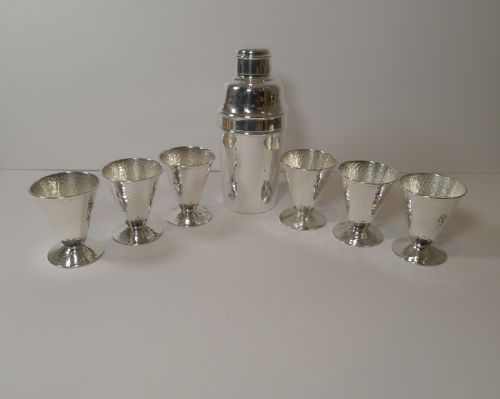


Antique Metal Goblet
An antique metal goblet carries the weight of past rituals, formed in silver plate, pewter, brass, and bronze across centuries.
Antique Metal Goblet
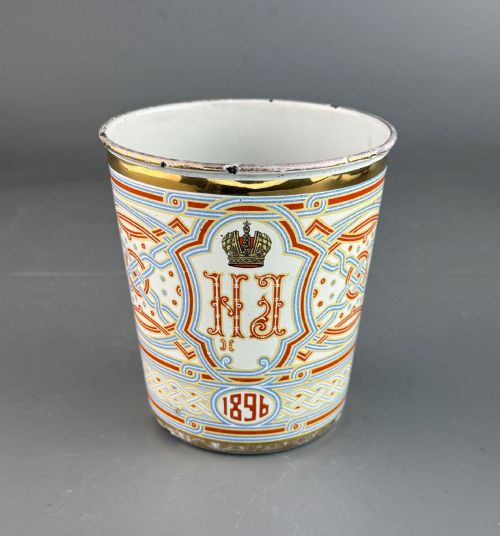
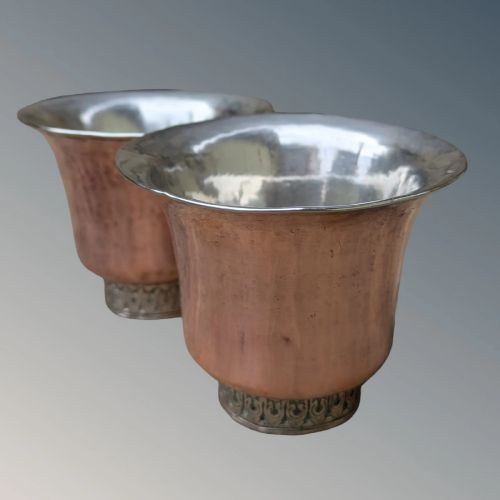
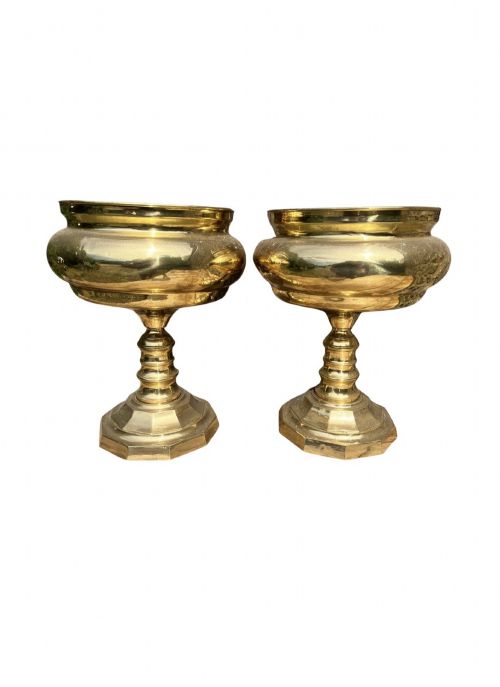
The search for an antique metal goblet opens a varied field of drinking vessels, chalices, tankards, and beakers spanning the seventeenth century through to the Art Deco period. You will encounter domestic drinking vessels, ecclesiastical communion chalices, military mess cups, and decorative Grand Tour bronze vessels.
Pewter and silver plate dominate the domestic forms, whilst brass and bronze appear frequently in ecclesiastical and classical revival designs. Continental, British, and Asian workshops all contribute distinct regional traditions to this category of drinking vessel.
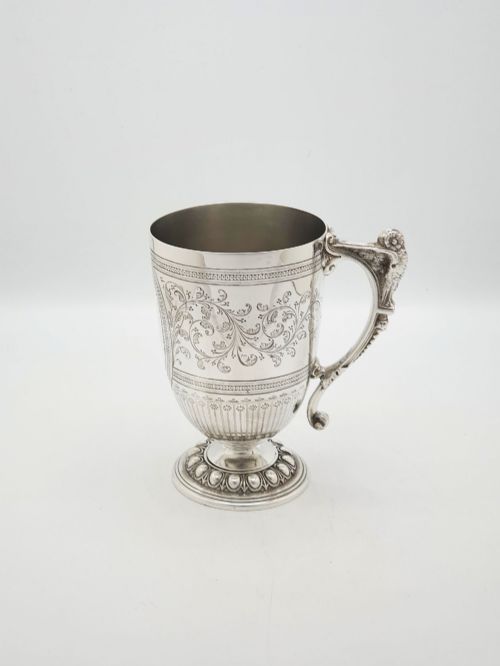
The forms range from simple tapered beakers and capacity-marked Irish chalices to ornate chased brass urns, coconut-wrapped cups, and owl-handled tankards. Each piece reflects the functional or ceremonial demands of its original context.
Materials and construction methods
Makers utilised casting, hammering, and spinning to shape metals such as pewter, copper, brass, bronze, and silver plate. Pewter vessels often display simple turned or cast body forms, sometimes featuring raised domed feet.
Decoration was achieved through chasing, embossing, and engraving, alongside cloisonné enamel application. Pieces like the Old Sheffield plate items combine a fused silver layer over a copper base, whilst others integrate carved organic materials such as coconut shell.
Antique Metal Goblet Retail Price Guide 2026
Typical asking prices for metal goblet among the pieces listed under this phrase on Sellingantiques today, from the lower quarter to the upper quarter. They describe what is for sale here now, not the wider market.
Assessing quality in metal drinking vessels
Quality rests upon the crispness of the chased or engraved decoration and the integrity of the metalwork, whether cast, hammered, or plated. Heavier gauge metals and balanced proportions on footed stems distinguish superior craftsmanship.
The harmony between decorative elements - such as figural handles, floral chasing, or enamel work - and the underlying vessel form defines the merit of an individual piece.
Richard Morton
The Antique Metal Goblet Glossary
- Chalice
- A stemmed liturgical cup used for sacramental wine, often fashioned from pewter, brass, or silver plate.
- Old Sheffield Plate
- An early method of fusing a thin sheet of silver onto a copper core, producing a durable plated material popular in the eighteenth and nineteenth centuries.
- Kantharos
- An ancient Greek style of drinking vessel featuring a deep bowl and two vertical handles, often referenced in later Grand Tour metalwork.
- Beaker
- A straight-sided or slightly flared drinking vessel without handles, commonly found in early pewter and metalware.
- Ciborium
- A covered ecclesiastical vessel similar to a chalice, designed to hold the Eucharistic bread.
Antique Metal Goblet: Frequently Asked Questions
What were metal goblets used for?
These vessels served various functions ranging from daily domestic drinking and military mess use to solemn ecclesiastical communion services.
Some elaborate examples functioned primarily as decorative display pieces, trophies, or Grand Tour souvenirs rather than working tableware.
How do I care for antique metal?
Maintenance depends entirely on the specific metal composition, requiring different approaches for silver plate, pewter, brass, or bronze.
Gentle cleaning avoids stripping historic patination or damaging delicate elements like applied enamel or chased surface decoration.
How can I tell the period of a goblet?
Dating relies on observing characteristic stylistic traits, manufacturing techniques, and material types associated with specific eras.
For instance, Old Sheffield plate methods, specific pewter touchmarks, or Gothic ecclesiastical revivals point clearly to particular centuries and design movements.
Are these goblets safe for drinking?
Many antique metal vessels contain materials or historic repairs that make modern food and drink consumption inadvisable.
Collector pieces are generally appreciated as historical works of art and decorative metalwork rather than utilised for daily beverages.