

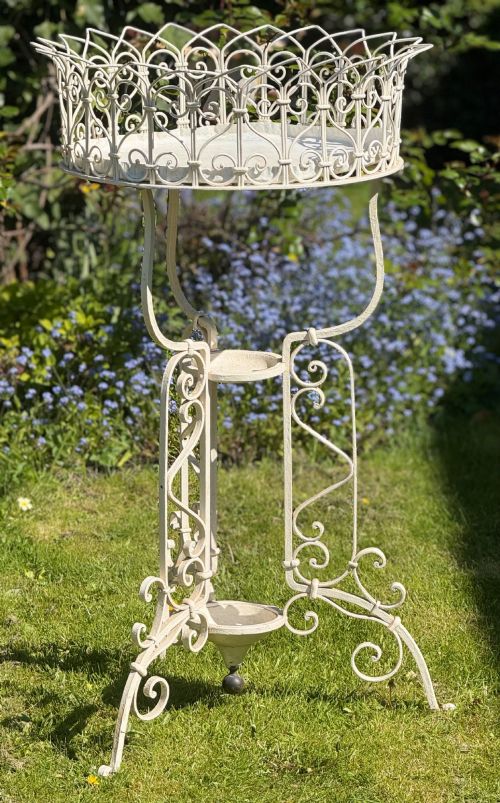
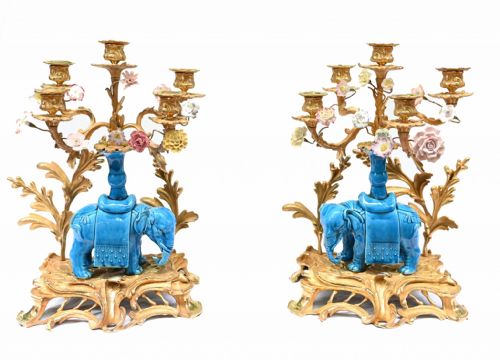
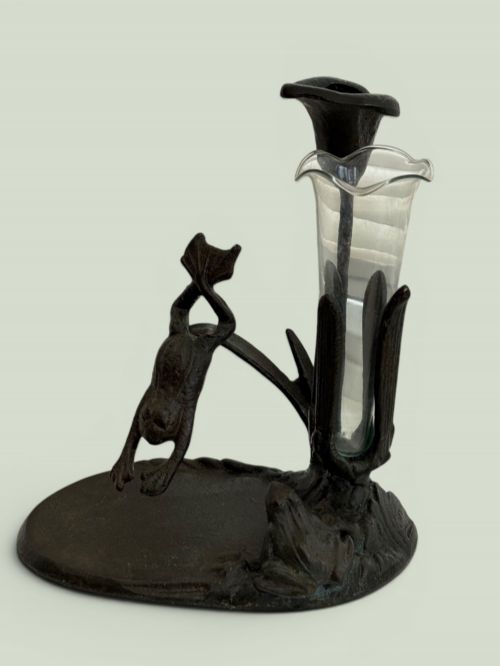


Antique Metal Flower Holder
An antique metal flower holder brings character to a room, offering practical display for stems while showing the enduring skill of past metalworkers.
How they were made
Metals such as brass, copper, and bronze were shaped through beating, casting, and spinning to create sturdy vessels for domestic and garden use. Artisans worked sheets of copper and brass into planters and jardinieres, sometimes adding applied details like lion mask handles or hand-hammered surfaces. Silver plating was applied to base metals for formal centrepieces and vases, while wrought iron provided structural strength for garden stands.
Many items incorporate secondary materials to function correctly as containers for water and soil. Cut glass liners sit within metal frames, and some compositions pair metal with porcelain or gilt additions. The physical construction relies on riveted joints, soldered seams, and cast components typical of late nineteenth and early twentieth century metalworking workshops.
What varies in quality
The weight and gauge of the metal dictate the structural integrity and substance of the piece. Heavier bronze bowls, thick copper buckets, and solid brass planters demonstrate superior material use compared to lighter, thinner alternatives. The presence of original components, such as matching stands or liners, substantially alters the integrity of the object.
Artistic execution separates standard utilitarian items from finer examples of period design. Crisp casting on bronze or brass, deliberate hand-hammering on arts and crafts copper, and well-executed stylistic motifs show the hand of a skilled maker. Surface patination achieved through age and use adds depth that factory finishes cannot replicate.
Antique Metal Flower Holder Retail Price Guide 2026
Typical asking prices for metal flower holder among the pieces listed under this phrase on Sellingantiques today, from the lower quarter to the upper quarter. They describe what is for sale here now, not the wider market.
Listings feature brass, copper, bronze, and wrought iron across the Victorian, Edwardian, and Art Nouveau periods.
J Sankey and Sons
The Antique Metal Flower Holder Glossary
- Jardiniere
- A large ornamental pot or stand for holding plants or flowers. These vessels often sit on tables or floor stands.
- Arts and Crafts
- A design movement valuing handcraftsmanship and simple forms over mass production. Objects from this tradition display visible hammering and honest construction.
- Art Nouveau
- A stylistic period defined by organic, flowing lines and natural motifs. Metalwork from this era frequently uses whipped curves and stylized floral shapes.
- Silver Plate
- A thin layer of silver applied to a base metal such as copper or brass. This technique offered the appearance of solid silver at a lower cost for domestic tablewares.
- Patina
- The surface texture and colour developed by metal through age and handling. Collectors value this natural oxidation for the historical depth it provides.
Antique Metal Flower Holder: Frequently Asked Questions
What is the difference between a jardiniere and a vase?
A jardiniere is typically a broader, bowl-shaped vessel designed to hold potted plants or larger floral arrangements with soil and water. Vases are generally taller and narrower structures intended for cut stems.
Jardinieres often feature handles and heavier construction to support soil, whereas vases focus purely on displaying upright floral stems.
How do I clean an antique metal flower holder?
Cleaning depends entirely on the metal type and the presence of historic patina. Many collectors prefer to leave oxidation untouched to preserve the age of the object.
If cleaning is necessary, use a soft cloth and avoid abrasive polishes that remove surface detail or historic plating.
Can I use these vessels for live plants?
Many antique metal vessels were designed specifically for plants, but damp soil can cause corrosion over long periods. Using a protective liner helps prevent moisture damage to the interior metal.
Check for existing liners or inserts that protect the original bottom from standing water and soil acidity.
How do I identify an Art Nouveau metal piece?
Art Nouveau metalwork is characterised by sinuous, asymmetrical lines inspired by natural plant forms. Look for whiplash curves, stylized flower motifs, and organic shaping.
Objects from this movement often lack rigid geometric symmetry in favour of flowing, sculptural movement.