


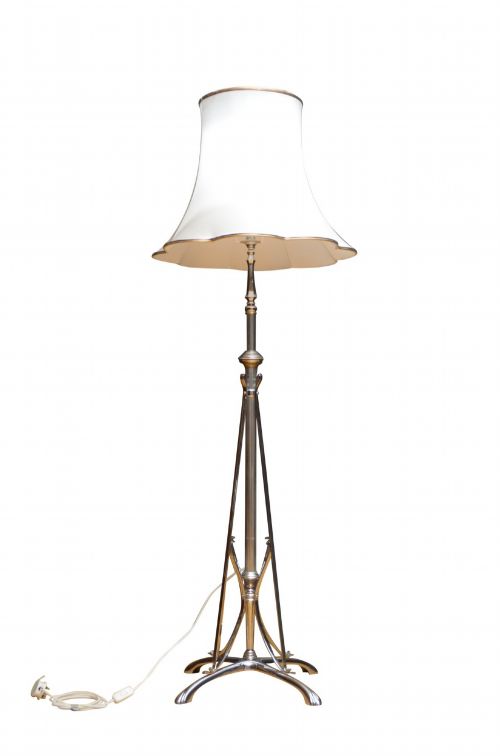


Antique Metal Floor Stand
An antique metal floor stand provides both practical illumination and architectural presence, offering a sturdy, elevated base for lighting and display.
Antique Metal Floor Stand
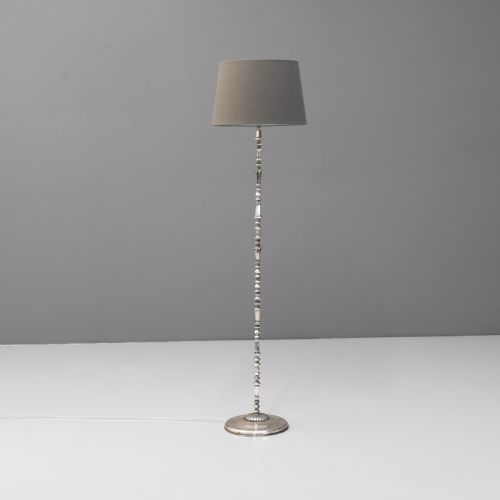
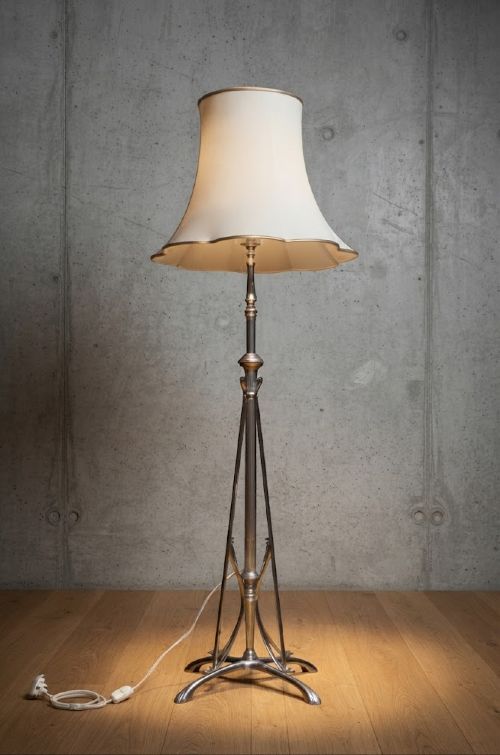
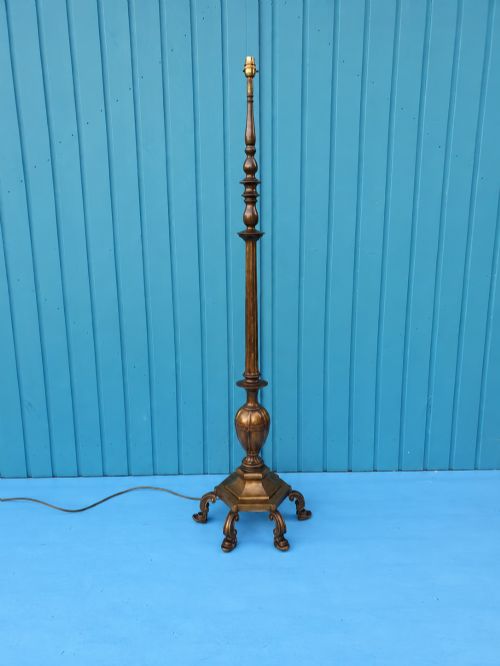
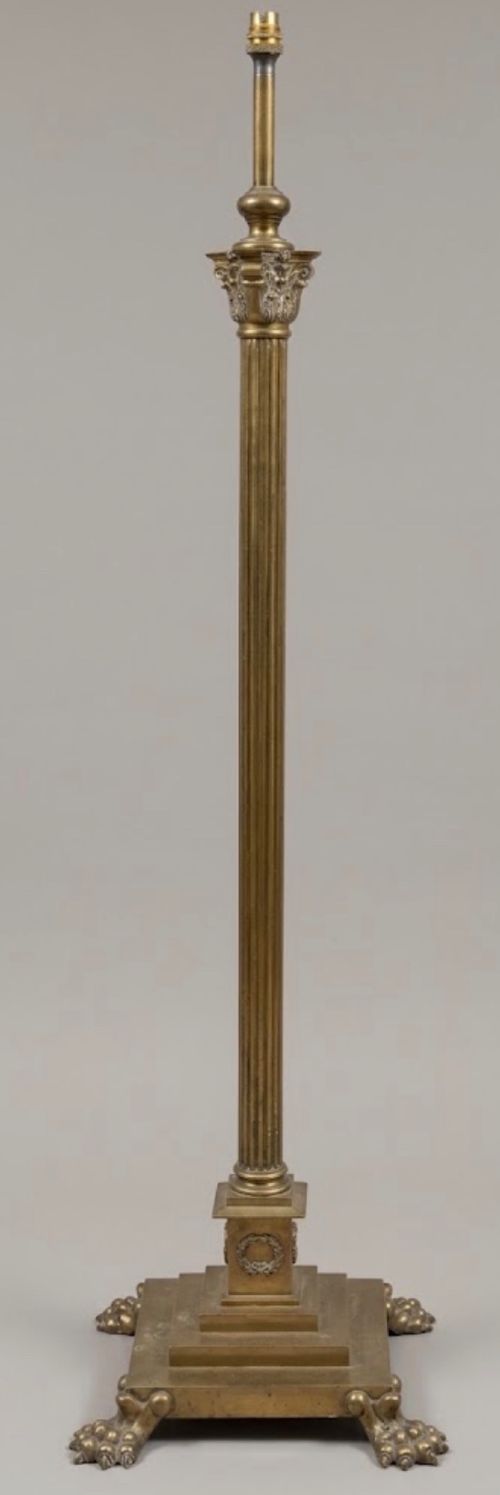
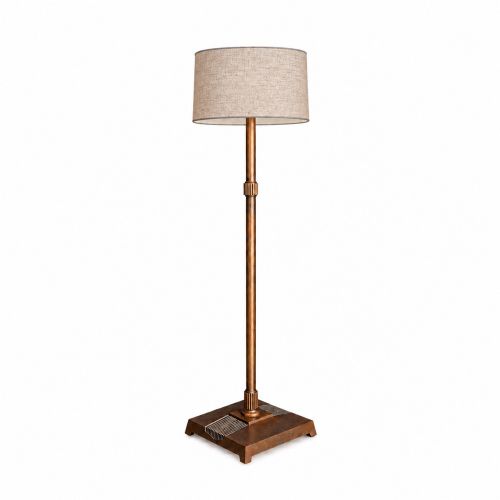
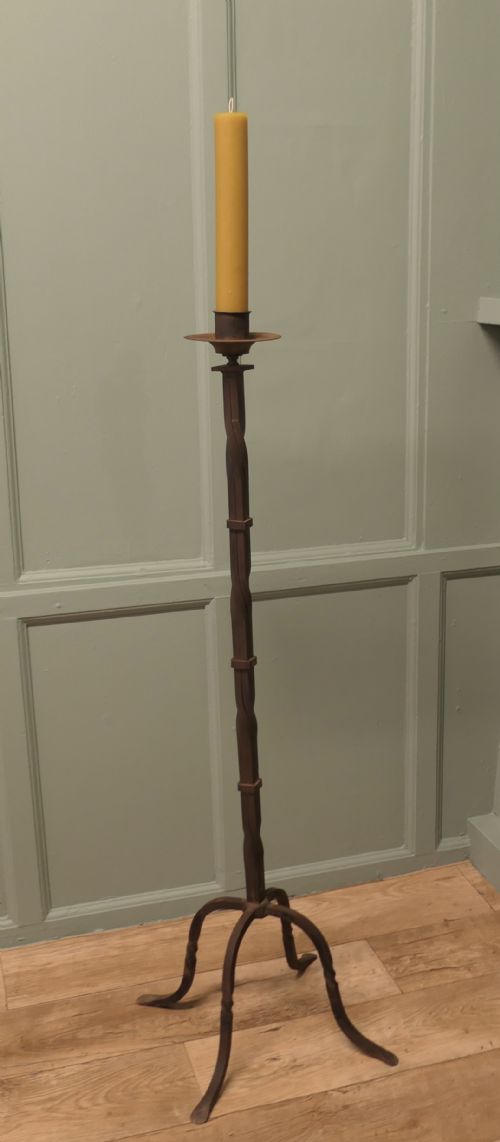
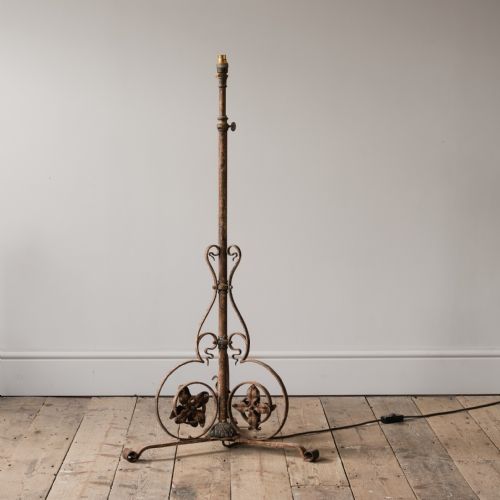
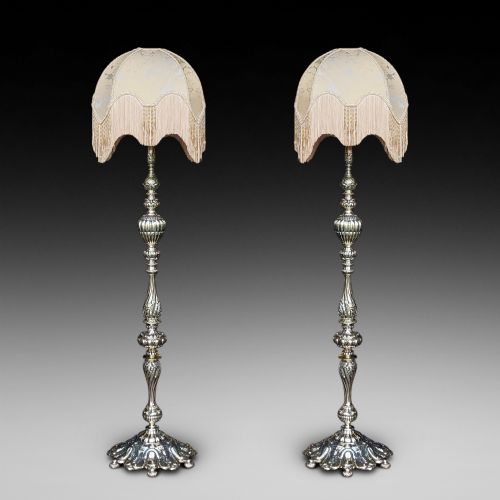
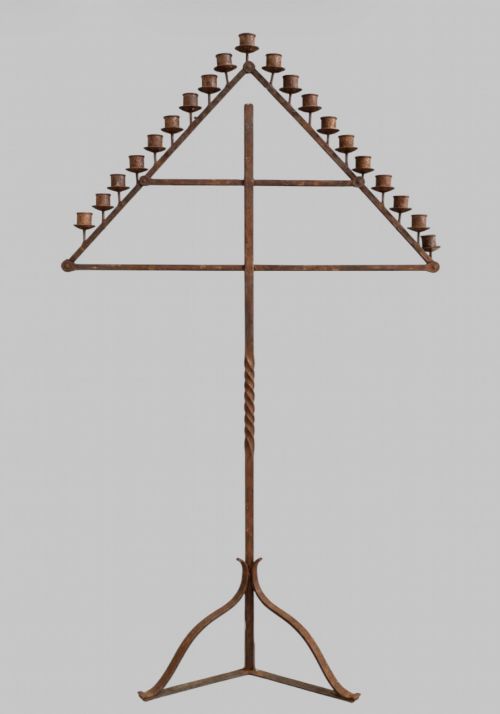
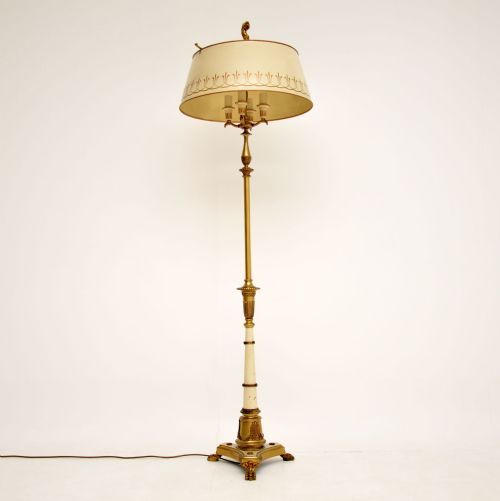
An antique metal floor stand encompasses a broad variety of heavy vertical fixtures, most commonly found as adjustable standard lamps, torcheres, and wrought iron candle stands dating from the nineteenth and early twentieth centuries. These functional pieces range from simple Victorian telescopic iron standards to decorative brass and copper Art Nouveau lamps designed to hold light sources safely above floor level.
Originating across Britain, France, Sweden, and the Netherlands, these upright metal stands reflect the prevailing tastes of their respective decades, shifting from ornate Gothic Revival and French Neoclassical forms to clean geometric Art Deco lines. Each piece serves primarily to anchor vertical space in a room while supplying functional height for candles, gas burners, or early electrification.
Materials and construction methods
Makers utilised resilient metals such as brass, wrought iron, cast iron, copper, and bronze, selecting each material for its structural capacity and visual weight. Wrought iron was typically hand-forged by blacksmiths using heat and hammering techniques to create adjustable arms, telescopic shafts, and heavy scrolled feet capable of supporting tall lanterns or multi-candle candelabra.
Brass and copper components were cast, spun, or beaten into shape, often combined with secondary elements like glass or onyx to add textural contrast and stability. Surface finishes varied from polished or silvered brass to bronzed treatments and painted wrought iron, preserving the base metal while aligning with the aesthetic demands of Victorian, Edwardian, and Art Deco design.
Antique Metal Floor Stand Retail Price Guide 2026
Typical asking prices for metal floor stand among the pieces listed under this phrase on Sellingantiques today, from the lower quarter to the upper quarter. They describe what is for sale here now, not the wider market.
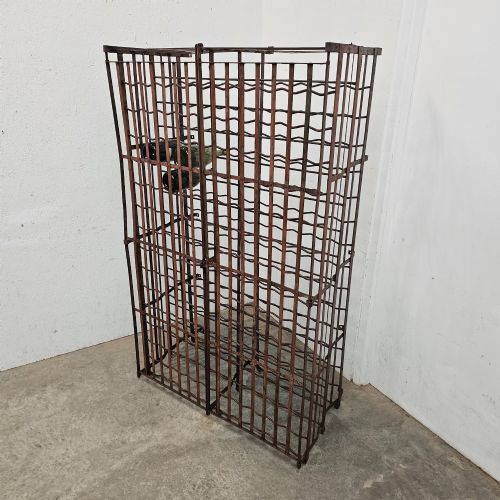
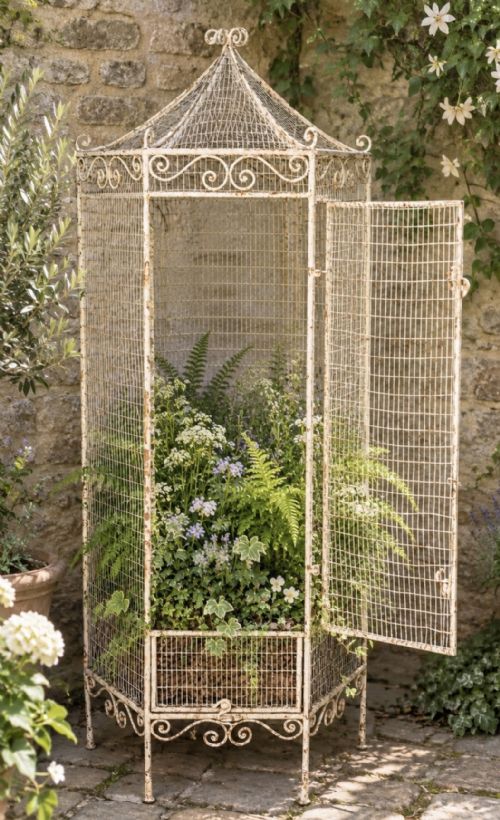
A few of these tall stands moonlight as birdcages, proving that Victorians liked their feathered pets elevated in style.
Evaluating construction and design merit
The distinction between ordinary and superior pieces rests upon the integrity of the metalwork and the sophistication of the mechanism. Hand-forged wrought iron with clean, purposeful hammer marks and smoothly functioning telescopic adjustment screws represents a higher standard of craftsmanship than mass-produced utilitarian brackets.
Design cohesion and original components also govern the standing of a piece within the range. Elaborate castings, such as French Neoclassical or Art Nouveau standards featuring integrated brass and copper botanical motifs or well-preserved original patination, demonstrate superior workshop execution compared to heavily altered or mismatched assemblies.
Lochmanns·Waring & Sons·Bleriot
The Antique Metal Floor Stand Glossary
- Standard Lamp
- A tall floor-standing lamp designed to support a light fitting or shade at a height suitable for ambient room illumination. These fixtures often feature weighted bases and telescopic shafts.
- Torchere
- An ornate tall stand or candlestick designed to carry a single light source or candle. In later periods, the term describes upward-directing floor lamps.
- Jardiniere
- An ornamental stand or container intended for holding plants and flowers. Examples in metal are frequently paired with dedicated matching floor stands.
- Candelabra
- A branched candlestick holder designed to support multiple candles simultaneously. Floor-standing versions provide substantial architectural height.
- Telescopic
- An adjustable construction method allowing the vertical shaft of a stand to extend or retract. This mechanism facilitated height modification for reading or ambient lighting.
Antique Metal Floor Stand: Frequently Asked Questions
What is an antique metal floor stand?
An antique metal floor stand is a tall, vertical furnishing constructed from materials like brass, wrought iron, or copper, designed to hold lighting, candles, or decorative items off the floor.
These pieces include adjustable standard lamps, torchieres, and candle stands produced primarily during the nineteenth and early twentieth centuries.
How were these metal stands used originally?
They were utilised in period homes to provide targeted or ambient illumination before modern wall wiring became standard, supporting candles, oil lamps, or early electric fittings.
Some variants served decorative or functional purposes as plant stands, jardinières, or display columns in principal rooms.
How do I distinguish Victorian from Art Deco stands?
Victorian stands typically display heavier, ornate cast iron or brass details, often drawing on Gothic Revival, Baroque, or classical motifs with robust proportions.
Art Deco stands, emerging around the 1920s and 1930s, favour streamlined geometric profiles, uplighter configurations, and cleaner combinations of copper, brass, and silvered metal.
How should I care for antique metal stands?
Maintenance depends on the metal surface and original finish, requiring gentle dusting and the avoidance of harsh chemical polishes that can strip aged patination.
Wrought iron and lacquered brass need little more than a dry microfiber cloth, while unlacquered brass responds to periodic traditional cleaning if bright metal is preferred.