


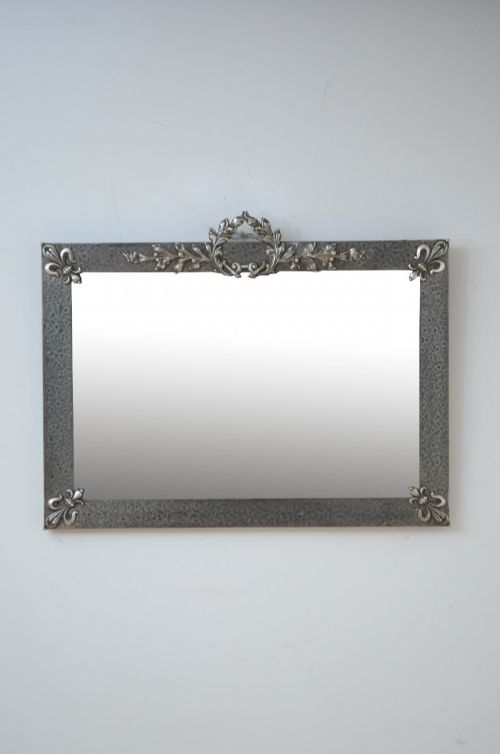


Antique Metal Crest
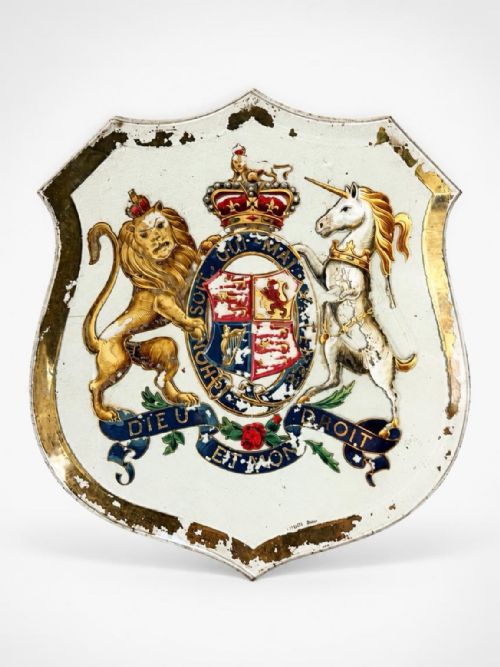
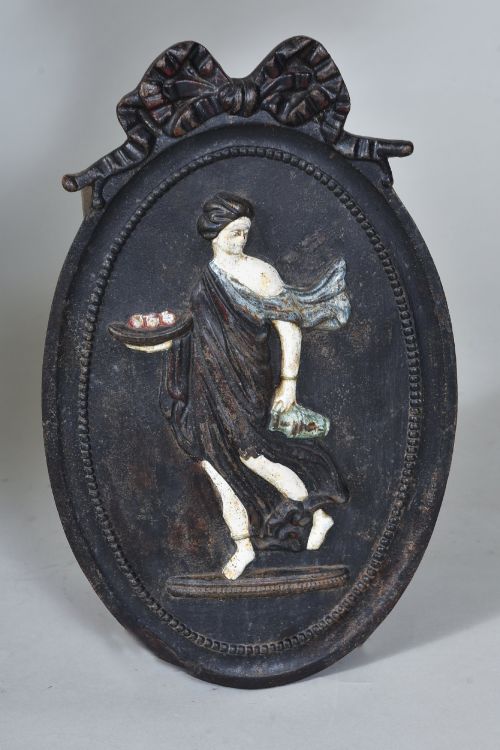
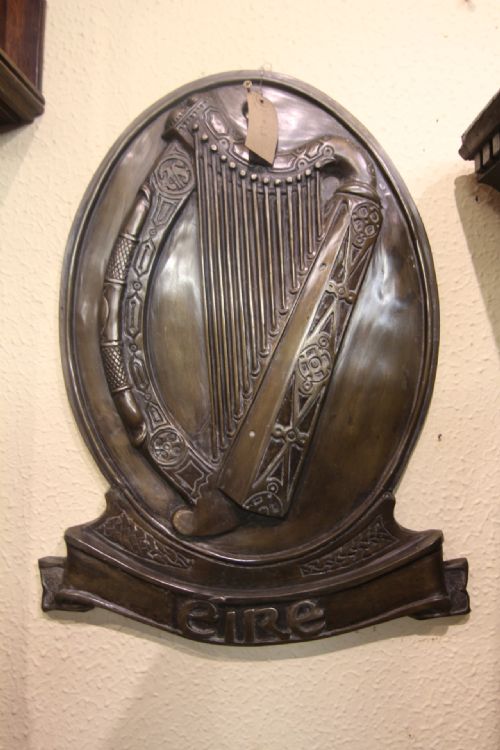
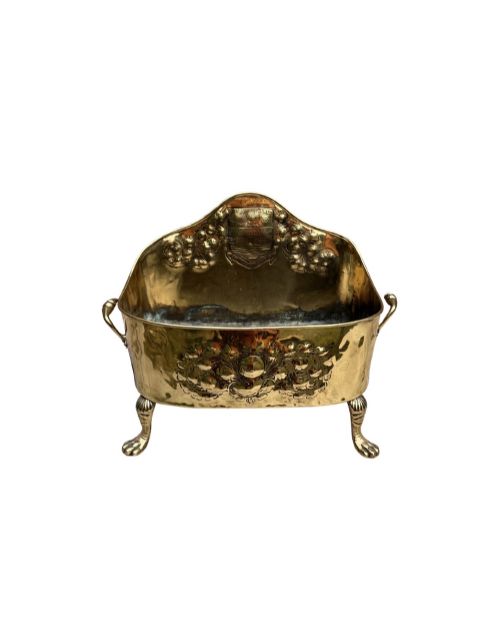
An antique metal crest brings tangible lineage and heraldic character to a room, ranging from robust cast iron plaques to finely chased brass mirrors.
Antique Metal Crest
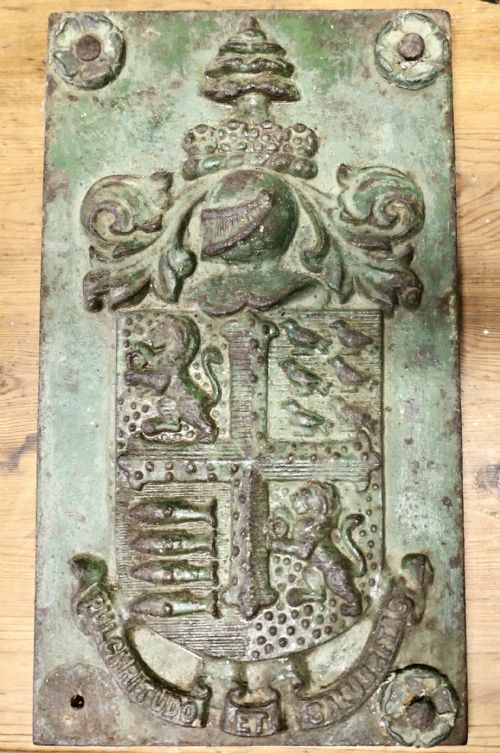
When you search for an antique metal crest, you encounter a diverse gathering of armorial wall plaques, heraldic mirrors, and commemorative metalwork spanning multiple centuries. These items embody civic identity, family lineage, and institutional pride through cast, embossed, and engraved insignia.
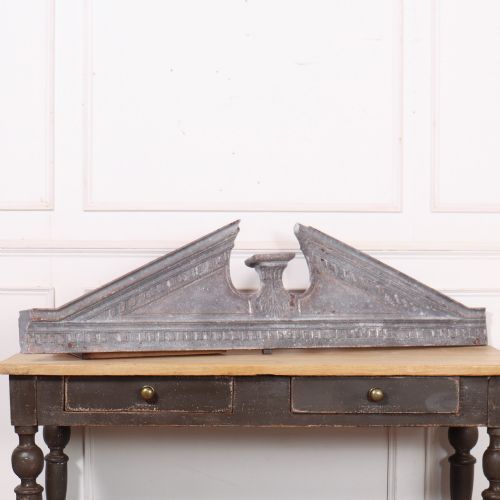
The selections on this page lean heavily toward 19th-century and early 20th-century brass and iron pieces, alongside earlier pewter and bronze examples. You will frequently find wall plaques bearing coats of arms, mirrors mounted with heraldic crests, and architectural salvage bearing specific family or corporate emblems.
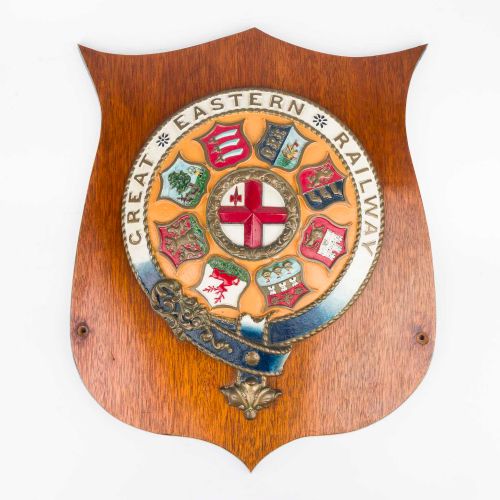
Originating from British, Dutch, French, and Scottish contexts, these objects serve as direct links to historical households, railways, and municipalities. The materials range from heavy cast iron and bronze to polished brass, silverplate, and pewter.
How they were made
Makers utilised traditional foundry methods such as sand casting for heavy iron and bronze armorial plaques, yielding robust relief details. Brass and copper components frequently underwent embossing and chasing to sharpen the fine lines of heraldic devices.
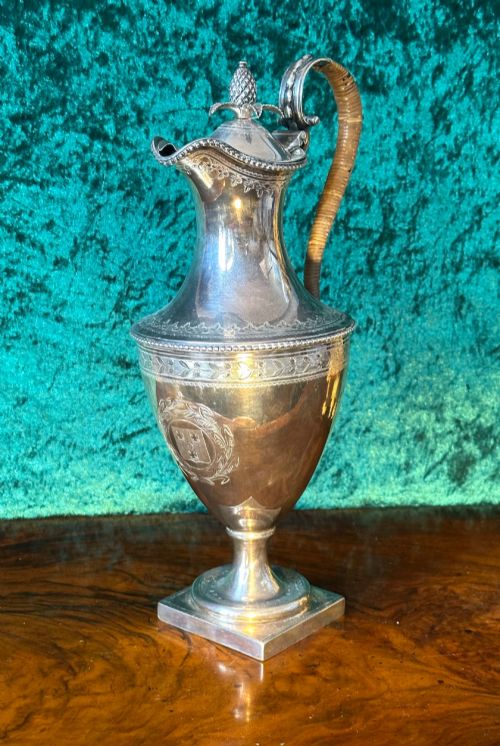
Silverplated and gilt metal items relied on foundational base metals finished with electroplating or applied gilding to achieve lustrous surfaces. Pewter pieces were cast in moulds and hammered or planished to shape broad rims and vessels before engraving family crests.
Antique Metal Crest Retail Price Guide 2026
Typical asking prices for metal crest among the pieces listed under this phrase on Sellingantiques today, from the lower quarter to the upper quarter. They describe what is for sale here now, not the wider market.
What varies in quality
The crispness of the casting and the depth of the chased relief define the visual impact of an armorial piece. Sharply rendered heraldic details indicate a high standard of craftsmanship in the original workshop.
The integrity of the material and the preservation of original patination separate utilitarian metalwork from fine decorative pieces. Natural ageing on brass, bronze, and iron adds depth without obscuring the underlying design.
Lawrence Dyer·Tann’s Defiance
The Antique Metal Crest Glossary
- Armorial
- Relating to heraldry or a coat of arms. These designs display specific family or institutional lineage.
- Chasing
- The technique of indenting and shaping metal from the front with a hammer and punch. This method brings dimension to brass and copper crests.
- Embossing
- Raising a design in relief from the reverse side of the metal sheet. It creates protruding motifs on plaques and fire screens.
- Pewter
- A malleable alloy traditionally composed of tin alloyed with copper and antimony. It forms heavy chargers and tappit hens bearing engraved crests.
- Salver
- A flat metal tray used for serving, frequently ornamented with an engraved family crest or presentation inscription.
Antique Metal Crest: Frequently Asked Questions
What is an antique metal crest?
An antique metal crest is a sculptural or flat emblem cast, forged, or embossed in materials like brass, bronze, iron, or pewter. These pieces display specific coats of arms, family lineages, or institutional insignia from past centuries.
They function primarily as decorative wall plaques, architectural salvage, or ornamental details on mirrors and fire screens, preserving historical heraldry in durable metal.
How do I identify the age of a metal crest?
Dating relies on stylistic markers, manufacturing techniques, and any accompanying inscriptions or maker stamps. 17th and 18th-century pieces often feature hand-hammered pewter or heavy cast bronze, while Victorian examples frequently utilise stamped brass and heavy cast iron.
Examining the back of the metal, the oxidation patterns, and the fastening methods helps distinguish older hand-finished work from later reproductions.
Where were these crests originally displayed?
Heraldic metal crests and coats of arms were traditionally mounted above doors, upon interior walls, or on household furnishings to denote family ancestry or corporate identity. Railway companies, municipal buildings, and military ministries also commissioned specific plaques for public display.
Domestic items like mirrors and fire screens integrated these crests into everyday living spaces as symbols of status and heritage.
How do I care for antique metal?
Maintenance involves gentle dusting and occasionally preserving the existing patination rather than aggressive polishing. Strong chemical cleaners can strip historical surfaces and diminish the value of cast or embossed details on brass and bronze.
Keep pieces in stable indoor environments away from excessive moisture to protect iron and steel from rust.