



Antique Metal Chamberstick
These antique metal chamberstick examples are portable bedside candle holders designed to move safely from room to room.
Antique Metal Chamberstick
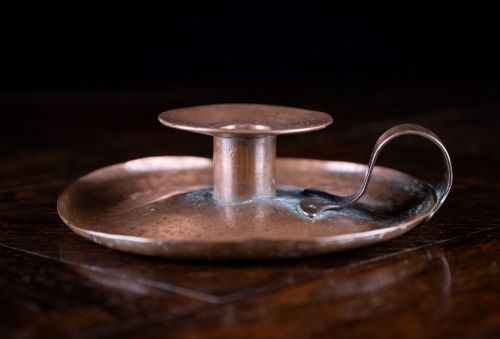
An antique metal chamberstick is a low-profile candle holder fitted with a wide saucer base and a loop handle for safe carriage by hand. These domestic lighting pieces served domestic routines in periods before reliable indoor illumination.
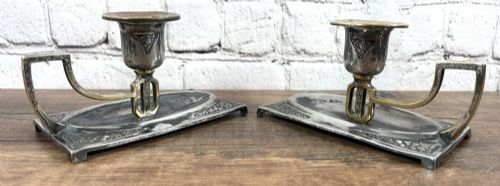
The selections available here span multiple eras, encompassing substantial 17th century pewter and brass forms alongside delicate Arts and Crafts and Art Nouveau designs from the 1900s. Buyers regularly encounter both plain utility brass and ornate plated pieces.
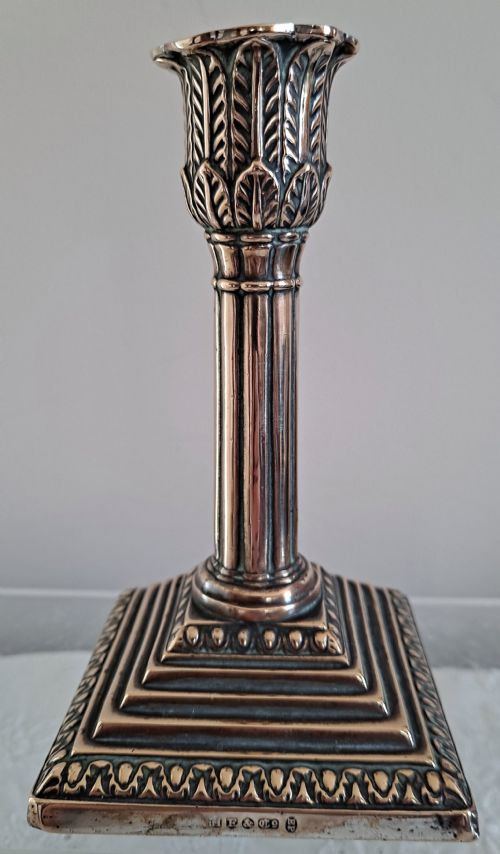
Makers utilised various alloys and metals to shape these utilitarian objects, resulting in forms ranging from Regency desk candlesticks to Dutch Baroque prototypes. Each piece reflects the domestic lighting habits of its specific century.
How they were made
Makers fashioned these chambersticks primarily from cast or sheet brass, pewter, copper, and paktong, often employing silver plate for decorative enhancement. Metalworkers utilised casting techniques to build solid bases and structural stems that could withstand daily handling.
Surfaces received hand-finishing, leading to patinated bronze effects or polished brass finishes that changed with domestic fashions. Workshops incorporated fitted trays and leaf forms to catch dripping wax during use.
Antique Metal Chamberstick Retail Price Guide 2026
Typical asking prices for metal chamberstick among the pieces listed under this phrase on Sellingantiques today, from the lower quarter to the upper quarter. They describe what is for sale here now, not the wider market.
Some chambersticks hid miniature candle snuffers tucked snugly into their saucers, ready for the midnight dash to bed.
What varies in quality
Quality rests in the integrity of the casting, the thickness of the metal used for the saucer base, and the retention of original surface finishes. Heavier gauge brass and untouched patinated bronze demonstrate superior construction compared to thin or overly polished alternatives.
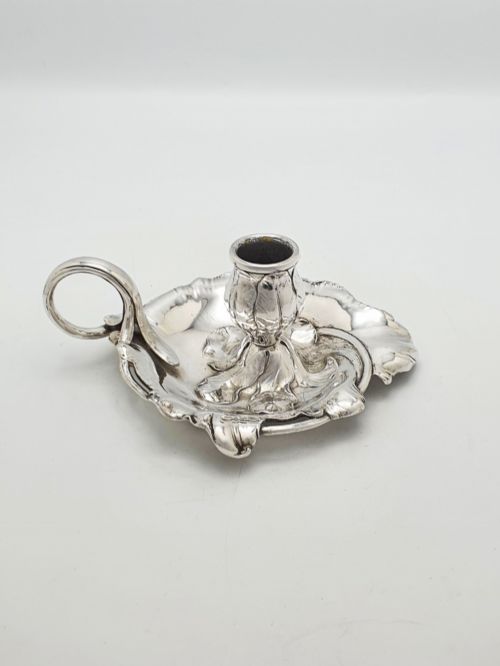
The sophistication of the design, whether a simple Stuart pewter model or a complex WMF Art Nouveau leaf form, dictates the refinement of the piece. Intact handle attachments and well-proportioned wax pans distinguish better examples.
WMF
The Antique Metal Chamberstick Glossary
- Chamberstick
- A portable candlestick featuring a shallow drip pan base and a side loop handle. This design allowed users to carry a lighted candle safely through dark corridors.
- Paktong
- A copper-nickel-zinc alloy originating from China that mimics silver. Makers employed this durable metal for high-status domestic items in the eighteenth century.
- Heemskerk
- A sturdy seventeenth-century brass candlestick type originating in the Netherlands. These pieces typically feature heavy drip pans and clustered baluster stems.
- Patinated bronze
- A metal surface darkened or coloured by age and oxidation. Collectors prize this natural layer for the historical depth it brings to antique metalwork.
Antique Metal Chamberstick: Frequently Asked Questions
What is an antique metal chamberstick?
A chamberstick is a low-profile candle holder equipped with a wide saucer base and a loop handle. This specific configuration allowed individuals to carry a candle through dark rooms without dripping wax on their fingers.
These domestic objects were standard household items before the invention of electric lighting. They sat on bedside tables and desks for evening tasks.
How were chambersticks used historically?
Households utilised these candle holders for moving through corridors or lighting bedrooms at night. The wide saucer caught any melting wax as the candle burned down during use.
Servants and homeowners alike relied on the side handle to maintain a steady grip while walking. Many designs included a small cone extinguisher or snuffer resting in the tray.
How do I identify different periods?
Seventeenth-century pieces typically display heavy, utilitarian brass or pewter construction with simple baluster stems. Later Victorian and Arts and Crafts examples introduce decorative leaf forms and silver plating.
Twentieth-century items often reflect specific design movements like Art Nouveau through organic curves. Examining the weight, metal composition, and manufacturing marks helps establish the era.
How do I care for antique metal?
Keep metal chambersticks dry and dust them gently with a soft cloth to preserve the surface. Avoid aggressive metal polishes that remove historic patination and soften crisp details.
Store them away from damp environments to prevent corrosion on brass, copper, and pewter surfaces. Minimal handling helps maintain the stability of soldered joints and delicate handles.