


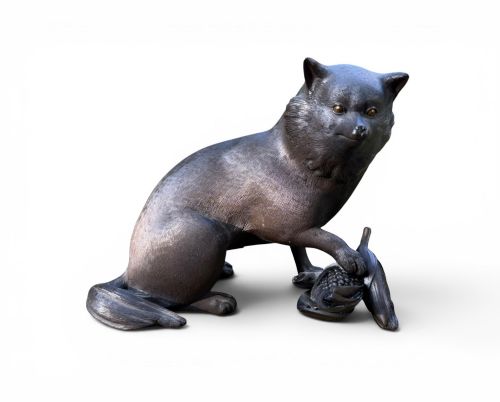
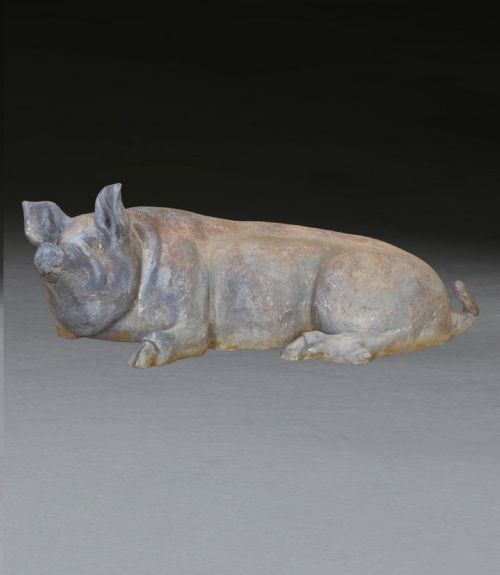
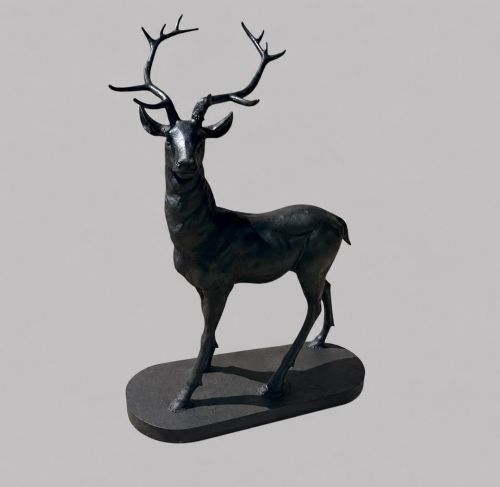
Antique Metal Animal Sculpture
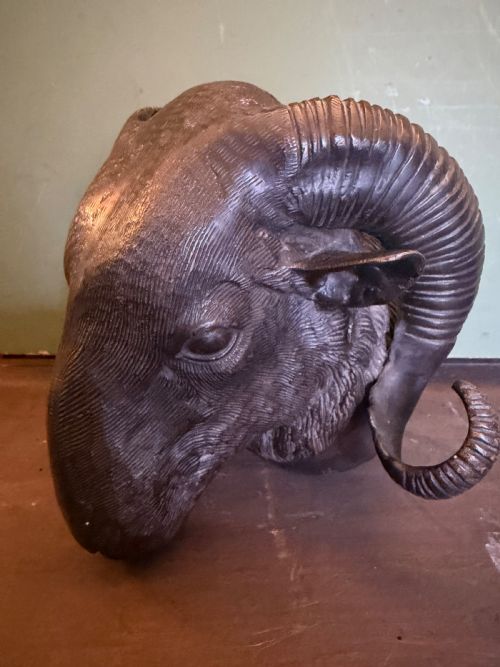
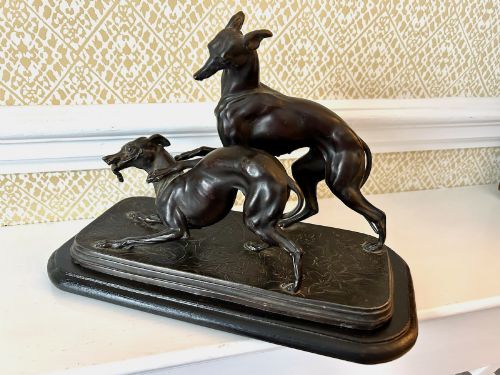
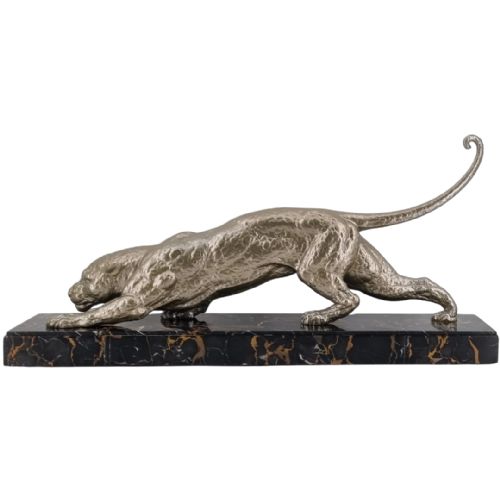
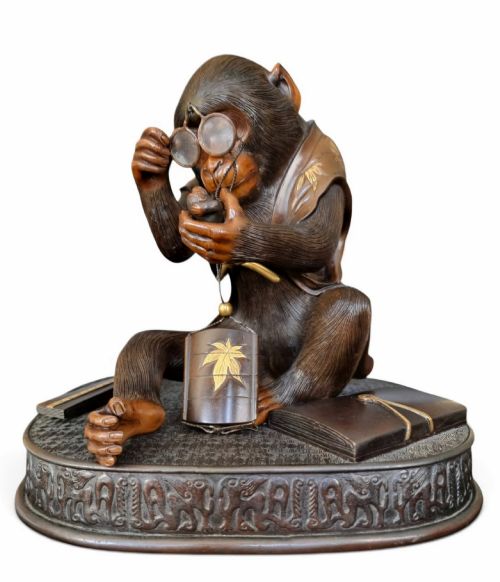
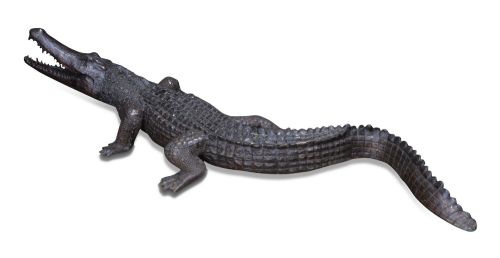
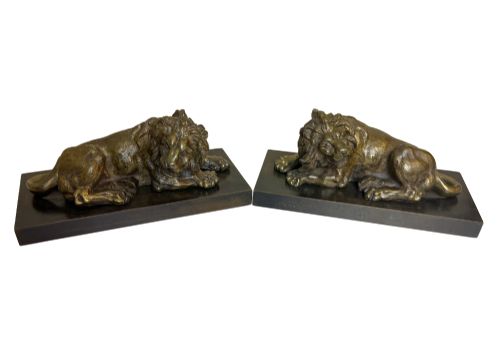
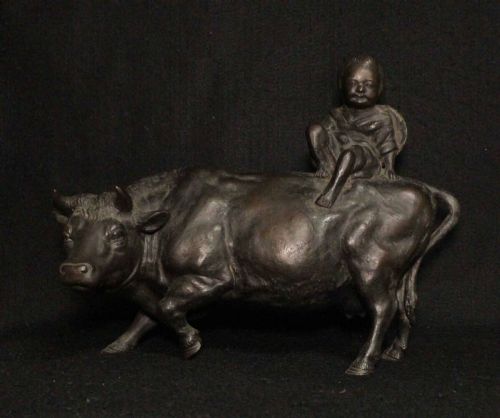
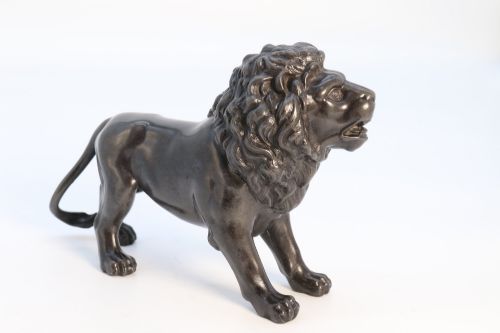
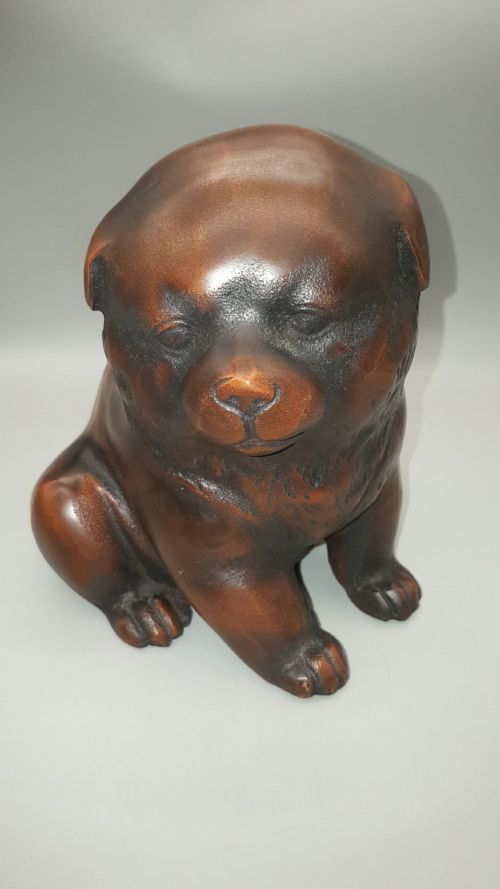
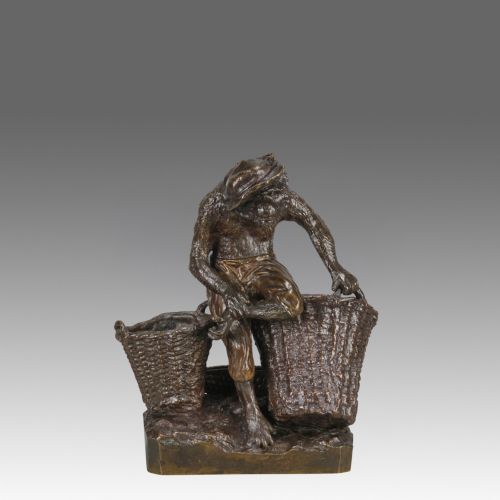
These antique metal animal sculpture works capture hounds, panthers, and lions cast in bronze, spelter, and iron.
Antique Metal Animal Sculpture
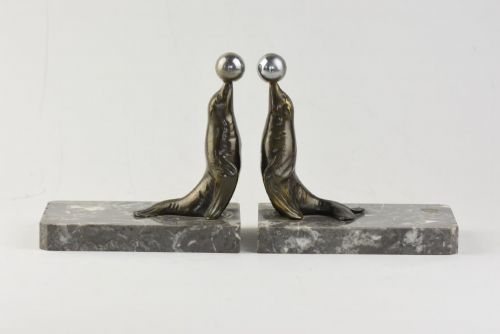
An antique metal animal sculpture spans domestic bookends, desk ornaments, and standalone figures cast across the nineteenth and twentieth centuries. When searching for an antique metal animal sculpture, collectors regularly encounter nineteenth-century European bronze casts and Art Deco spelter studies.
Makers utilised metals including bronze, brass, cast iron, and spelter, frequently mounting the figures on marble or onyx bases. French and Austrian animalier pieces dominate the continental offerings alongside Japanese bronze studies.
How They Were Made
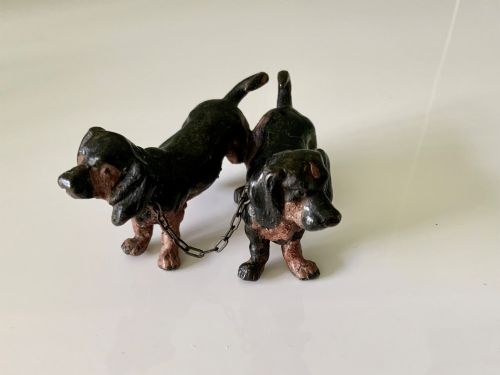
Foundries produced these sculptures primarily through sand casting or the lost-wax technique for bronze works, while spelter pieces utilised metal moulds. Many smaller continental figures received cold-painted polychrome finishes applied by hand over the base metal.
Workers mounted heavier metal sculptures onto carved stone plinths such as black marble or banded onyx to provide stability. Mixed-metal Japanese okimono combined different metal alloys to create contrasting tones on the animal subjects.
Antique Metal Animal Sculpture Retail Price Guide 2026
Typical asking prices for metal animal sculpture among the pieces listed under this phrase on Sellingantiques today, from the lower quarter to the upper quarter. They describe what is for sale here now, not the wider market.
What Varies in Quality
The crispness of the chasing and chiselling after casting separates superior metal sculptures from simpler commercial wares. Fine examples retain delicate textures in fur and plumage, whereas weaker casts lose detail in secondary smoothing.
The preservation of original cold-painted surfaces or rich patination dictates the desirability of a piece. Later or heavy-handed repainting diminishes the visual integrity of Austrian and Japanese metal figures.
D. H. Chiparus·Christophe Fratin·P.de Soete
The Antique Metal Animal Sculpture Glossary
- Animalier
- A nineteenth-century artistic movement focused on the realistic depiction of animals. Sculptors in this tradition studied anatomy closely in menageries.
- Spelter
- A zinc alloy used as an economical alternative to bronze. It takes patination and paint well, appearing frequently in Art Deco decorative objects.
- Okimono
- A Japanese freestanding decorative carving or metal sculpture. These objects were placed in traditional household display spaces.
- Cold-painted
- A method where enamel paint is applied to metal without subsequent high-temperature firing. This technique defines Austrian Vienna bronze production.
- Patina
- The surface sheen and coloration developed on metal through age or chemical treatment. Collectors value undisturbed patinas for their depth.
Antique Metal Animal Sculpture: Frequently Asked Questions
How do I clean bronze sculptures?
Dust metal sculptures gently with a dry microfibre cloth to prevent the accumulation of grit in crevices. Avoid using commercial metal polishes, which can strip away the historic patina.
Keep pieces away from direct moisture and excessive handling to preserve the surface finish. A light application of microcrystalline wax protects exposed metal surfaces if required.
What is spelter?
Spelter is a zinc-based alloy commonly utilised for decorative figures and bookends during the early twentieth century. It served as a less expensive alternative to bronze.
While softer than bronze, spelter supports detailed casting and accepts metallic or polychrome finishes effectively. Many Art Deco animal groups utilise this material.
Are Austrian bronzes painted?
Many Austrian bronzes feature cold-painted surfaces applied directly to the metal after casting. These polychrome finishes depict naturalistic plumage and fur.
Because the paint is not fired at high temperatures, it remains susceptible to flaking if handled improperly. Intact original paint significantly enhances the character of a piece.