


Antique Metal Animal Figures
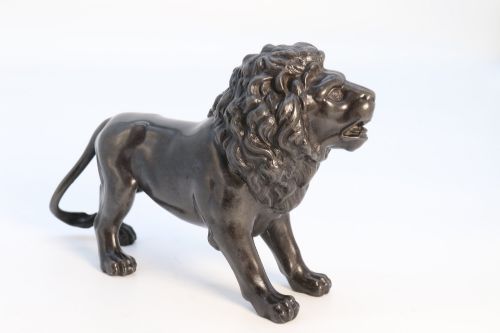
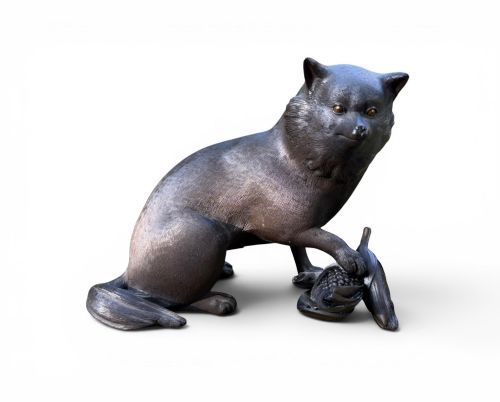
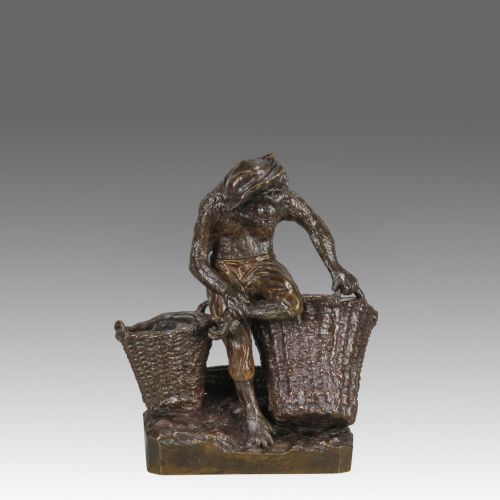
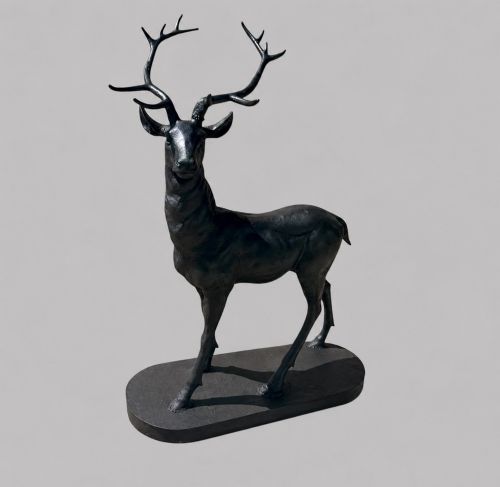
These antique metal animal figures capture domestic pets, wild beasts, and mythical creatures in cast bronze, brass, iron, and spelter.
Antique Metal Animal Figures
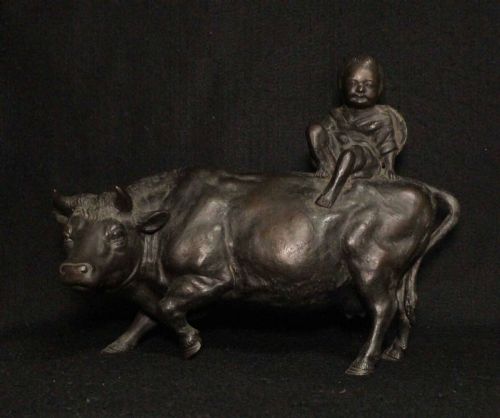
When searching for antique metal animal figures, collectors encounter a diverse range of objects spanning multiple centuries, from small cabinet bronzes to functional bookends and paperweights. These pieces depict domestic pets, farm animals, exotic wildlife, and mythological beasts captured in various postures.
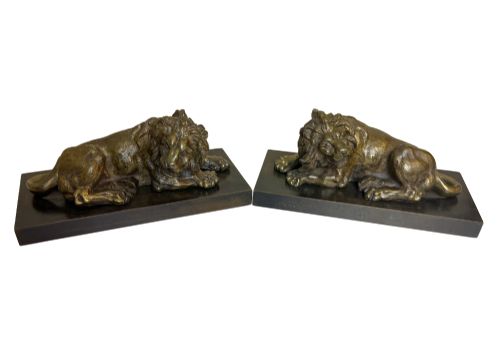
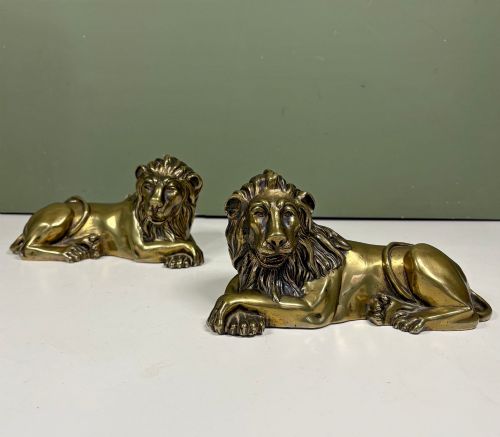
The versions most frequently met on this page include nineteenth-century European animalier bronzes, twentieth-century Art Deco spelter groups, and cold-painted Austrian miniatures. Formats extend from single sculptural studies mounted on marble bases to paired lions intended for mantelpieces and desks.
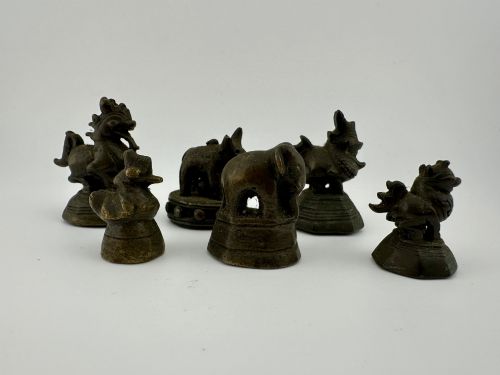
Origins stretch from English and French foundries to Japanese Meiji period workshops and Southeast Asian trade weights. Each piece reflects the aesthetic priorities of its period, shifting from naturalistic academic studies to stylised modernist interpretations.
Materials and casting methods
Foundries utilised traditional metalworking techniques, predominantly employing the lost-wax casting method for detailed bronze sculptures and sand casting for heavier cast iron or brass pieces. Molten metal poured into moulds captured intricate textures such as fur, feathers, and anatomical musculature.
Surface treatments define the visual character of these objects, incorporating applied patinas, silvering, gilding, and multi-layered cold-painted polychrome pigments. Spelter figures often received a bronze-effect paint finish to emulate higher-value alloys.
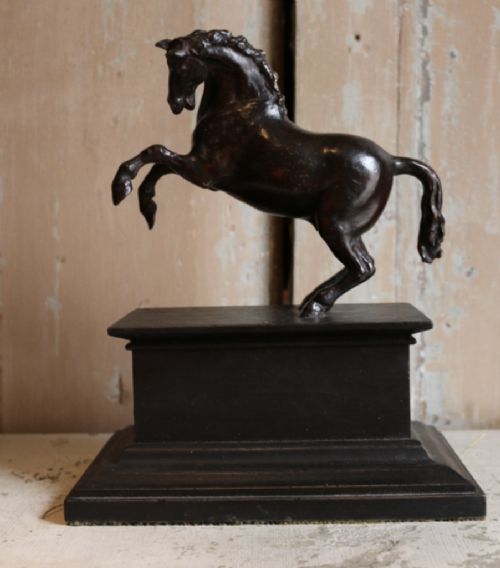
Bases frequently integrate secondary materials such as marble, olive wood, or slate to provide stability and visual contrast for figures of lions, dogs, and birds.
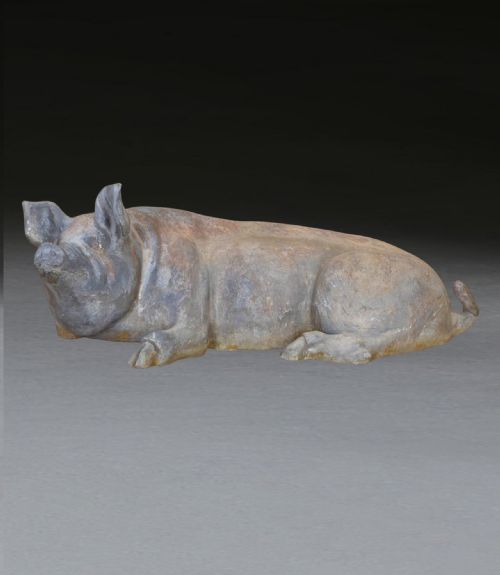
Listings feature metal animal figures cast in bronze, brass, spelter, cast iron, and lead across the nineteenth and twentieth centuries.
Assessing quality in metal animal figures
The integrity and preservation of surface finishes significantly influence overall merit, particularly in cold-painted pieces where original polychrome pigment remains intact without extensive touch-ups. Castings that integrate multi-metal elements or detailed incised decoration demonstrate advanced craftsmanship.
Christophe Fratin·Franz Bergman·Louis Riche·Michel Decoux
The Antique Metal Animal Figures Glossary
- Animalier
- A nineteenth-century artistic movement dedicated to the realistic depiction of animals, particularly wild beasts in motion or repose. Sculptors working in this style focused on accurate anatomical study.
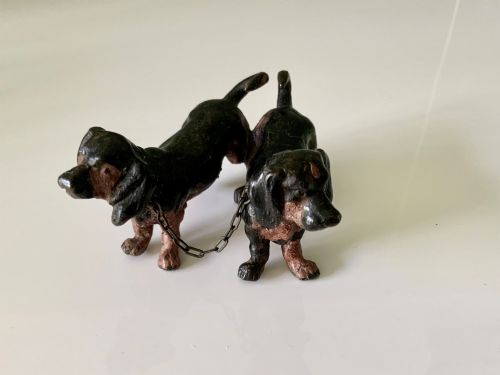
- Cold-painted bronze
- A technique where bronze figures are painted with enamel colours that are left to dry naturally rather than fired in a kiln. Austrian workshops specialised in this method for small figures of birds and dogs.
- Spelter
- A zinc-based alloy commonly utilised as an economical alternative to bronze, particularly during the Art Deco period. It accepts patination and paint finishes readily.
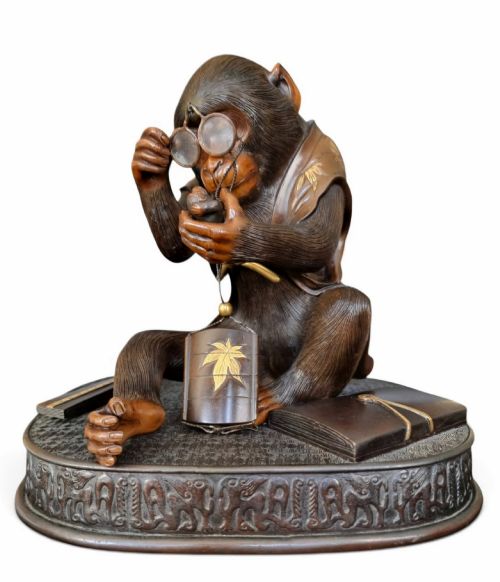
- Okimono
- A Japanese decorative figurine designed for display on a household shelf or tokonoma alcove. These objects frequently combine mixed metals and exhibit high levels of narrative detail.
- Opium weight
- A traditional Southeast Asian trade weight cast in the form of an animal such as an elephant, duck, or mythical beast. These bronze pieces served a functional role in local commerce.
Antique Metal Animal Figures: Frequently Asked Questions
What is an animalier bronze?
An animalier bronze is a nineteenth-century sculptural study focused on realistic animal forms, capturing creatures in naturalistic or dynamic poses.
These pieces were produced extensively in France and wider Europe, ranging from small cabinet figures to large mantelpiece groups.
How do I identify spelter from bronze?
Spelter is a softer, lighter zinc-based alloy that often feels colder and shows a grey or white metal beneath chips in the surface finish.
Bronze is heavier, denser, and develops a stable natural patina over time rather than simply flaking off its paint.
What are cold painted bronzes?
Cold painted bronzes are metal figures decorated with multi-coloured enamel paints that dried without kiln firing.
Austrian makers popularised this technique, producing vibrant figures of birds, dogs, and human figures that require careful handling to preserve the pigment.
How were okimono figures used?
Okimono are traditional Japanese decorative objects placed on display within domestic interiors during the Meiji period.
Unlike religious items, these finely detailed metal sculptures were created purely for aesthetic appreciation and contemplation.