





Antique Mesh Cupboard
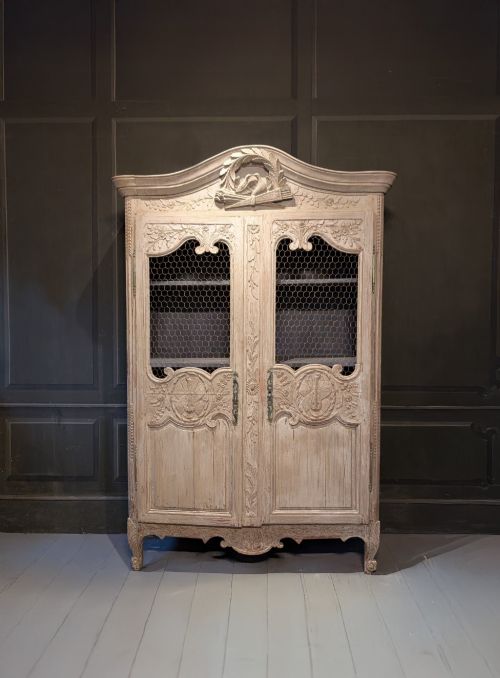
An antique mesh cupboard is a practical storage piece designed with ventilation panels, appearing here in various historical timber forms.
Antique Mesh Cupboard
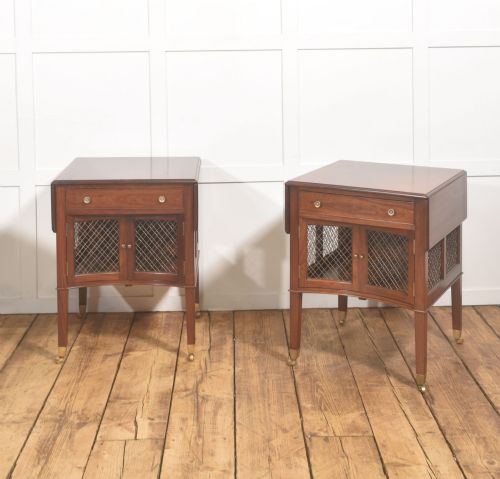
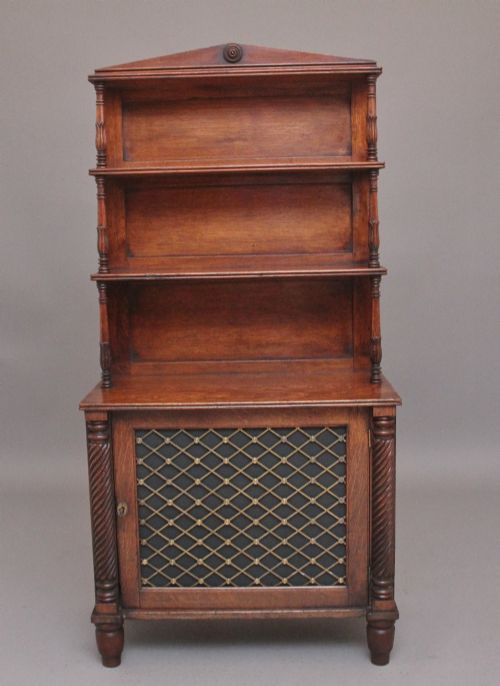
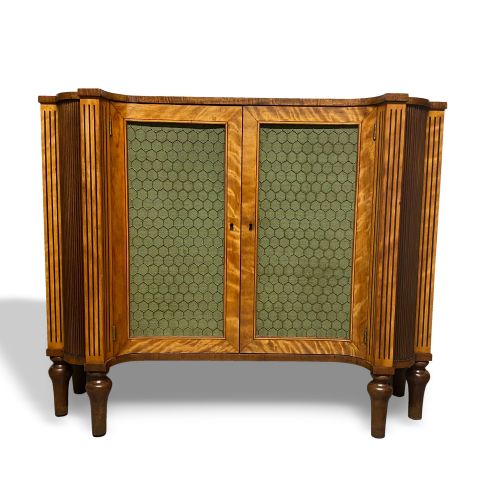
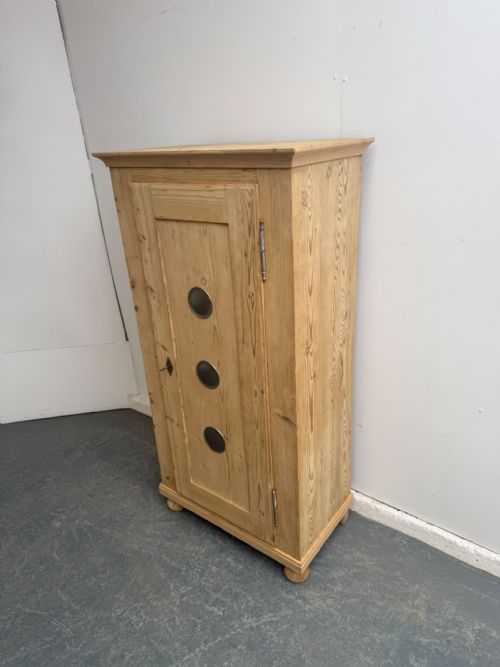
When you search for an antique mesh cupboard, you are looking at utilitarian and decorative storage furniture built to allow air circulation for perishable goods or textiles. These pieces commonly manifest as food cupboards, larder cupboards, side cabinets, and chiffoniers spanning the eighteenth, nineteenth, and early twentieth centuries.
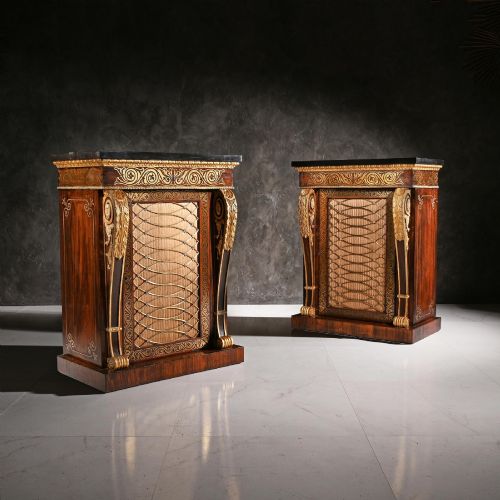
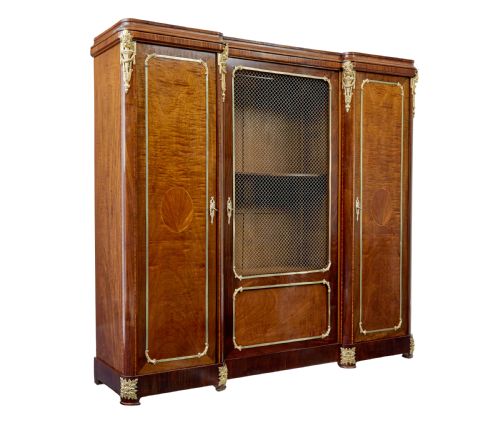
The versions most frequently met on this page range from rustic painted pine food cupboards originating in country houses to refined mahogany, rosewood, and satinwood side cabinets from the Georgian, Regency, and Victorian eras. Makers utilised fine timbers and incorporated brass inlay, marble tops, and glazed or open sections alongside traditional mesh panels.
Regional variations also appear, including Scottish food cupboards alongside English painted dresser bases and French Empire influenced mahogany cabinets. These storage forms reflect domestic requirements of past centuries, bridging kitchen utility and formal reception room display.
Materials and Construction
Cabinet makers constructed these pieces using solid and veneered timbers such as mahogany, rosewood, satinwood, walnut, oak, and pine. Hardwoods were frequently polished to highlight natural grain patterns, while utilitarian kitchen and larder pieces received coats of paint or wax.
Metal components such as brass featured prominently for inlay work, grilles, and hardware, whilst fabric occasionally lined interior spaces. Joinery methods relied on traditional cabinet-making techniques appropriate to the period, accommodating panel doors fitted with mesh for ventilation.
Antique Mesh Cupboard Retail Price Guide 2026
Typical asking prices for mesh cupboard among the pieces listed under this phrase on Sellingantiques today, from the lower quarter to the upper quarter. They describe what is for sale here now, not the wider market.
Early kitchen cupboards relied on woven wire mesh to outsmart persistent pantry mice before fridges took over.
Assessing Quality and Execution
The standard of timber selection and cabinet-making skill dictates the division between basic utilitarian storage and high-status decorative furniture. Superior examples display carefully matched veneer grains, intricate brass inlay, and sophisticated stylistic influences such as Egyptian Revival or Neoclassical motifs.
Proportion, originality of hardware, and the preservation of original painted or polished surfaces further distinguish finer items. Simpler country pieces rely on structural honesty and honest utility rather than elaborate ornamentation.
Louis Constantin Le Gaigneur·Ince & Mayhew
The Antique Mesh Cupboard Glossary
- Chiffonier
- A low cabinet or sideboard developed during the Regency period, typically featuring shelves or a raised gallery back. They often incorporate enclosed lower cupboards used for general storage.
- Breakfront
- A cabinet or sideboard design where the central section projects forward from the flanking outer sections. This architectural arrangement creates depth and visual balance.
- Food cupboard
- A utilitarian storage piece constructed with perforated panels or mesh to store foodstuffs while protecting them from insects. They are commonly associated with domestic pantries and country kitchens.
- Side cabinet
- A versatile low-standing piece of furniture placed against walls in dining rooms or reception areas. These items range from simple timber cupboards to elaborate brass-inlaid display furniture.
- Regency
- An English design period spanning the early nineteenth century characterised by classical motifs inspired by ancient Greece, Rome, and Egypt. Furniture from this era often utilises dark exotic woods and brass mounts.
Antique Mesh Cupboard: Frequently Asked Questions
What is an antique mesh cupboard?
An antique mesh cupboard is a historical storage item built with ventilated wire or fabric panels to keep provisions cool and fresh before modern refrigeration.
These pieces range from utilitarian pine food cupboards to formal rosewood and mahogany cabinets found in nineteenth-century reception rooms.
How were antique food cupboards used?
Food cupboards served as domestic larders to store dairy, meats, and dry goods away from household pests while allowing air circulation.
Over time, many of these functional items transitioned into general household storage or decorative furniture within country houses.
How do I date a side cabinet?
Dating a side cabinet involves examining the primary timber, construction methods, and prevailing decorative styles such as Georgian mahogany or Regency brass inlay.
Secondary woods, backboards, and hardware also provide reliable indicators of the manufacturing period.
Where should I place an antique cabinet?
Antique cabinets suit dining rooms, kitchens, or living spaces where their specific storage capacity and historical character can be appreciated.
Placing them away from direct heat sources and strong sunlight preserves the timber and original finishes.