





Antique Merchant Chest
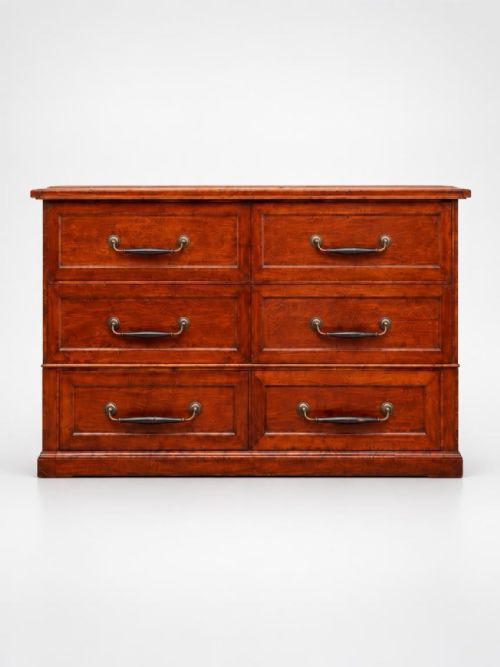
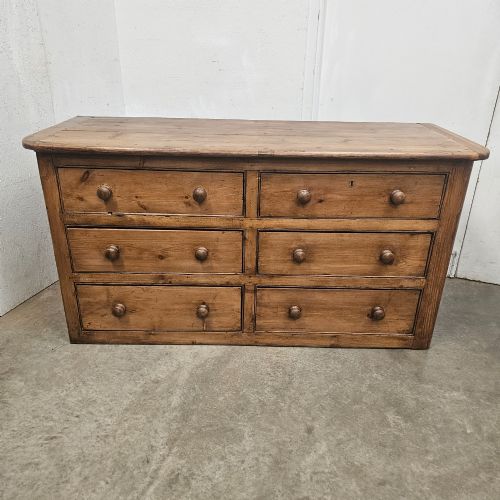
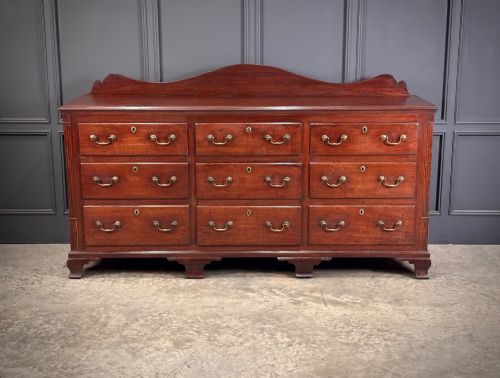
An antique merchant chest organises a collection with multiple drawers and compartments, offering sturdy storage rooted in utility and trade.
Antique Merchant Chest
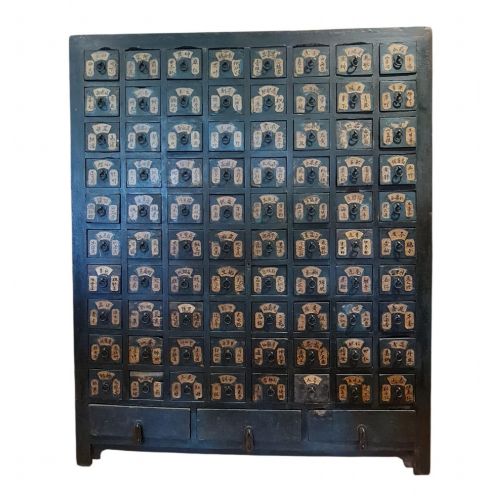
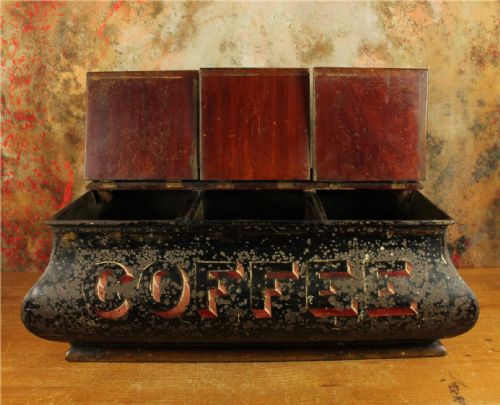
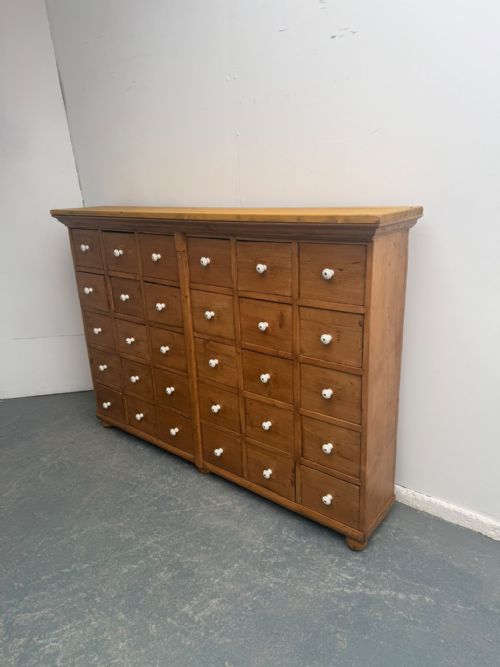
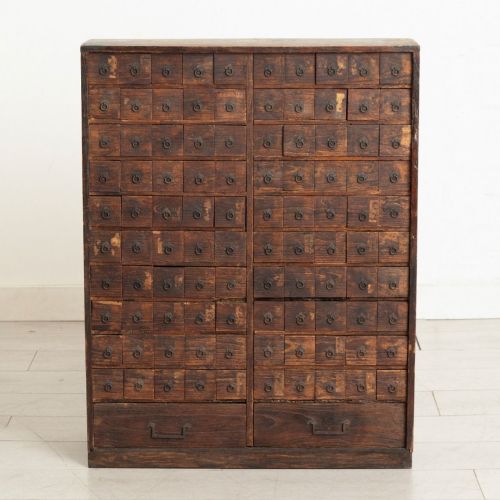
An antique merchant chest serves as a practical storage unit, encompassing multi-drawer shop fittings, apothecary cabinets, drapers' counters, and traditional Japanese tansu chests. These items originate from the 18th century through to the early 20th century, emerging from commercial and domestic settings across England, France, Hungary, China, and Japan.
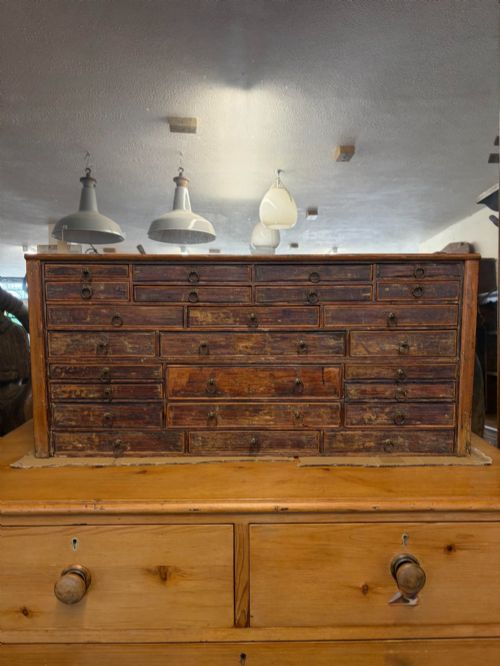
The most common forms on this page include banks of drawers designed for shop counters, tall apothecary units with numerous small compartments, and timber merchant chests banded in iron. Pieces span Victorian, Edwardian, and Meiji periods, reflecting the functional needs of merchants, apothecaries, and travellers.
Buyers encounter structural variations ranging from pine office filing cabinets to elm Chinese medicine chests and keyaki wood tansu. Each variation ties directly to its original trade purpose, whether holding hardware, fabrics, dried herbs, or currency.
How they were made
Carpenters constructed these pieces primarily using solid timbers such as pine, mahogany, walnut, cedar, elm, and kiri wood, often reinforced with structural iron bands and brass hardware. Cabinetmakers joined frames with traditional methods to withstand the heavy daily demands of shops and offices.
Surface finishes include natural wood polish, red lacquer, and painted treatments such as cream and light green, occasionally retaining original sign-writing for agricultural merchants. Metal components rely on forged iron and brass for drop handles, locks, and protective corner brackets.
Antique Merchant Chest Retail Price Guide 2026
Typical asking prices for merchant chest among the pieces listed under this phrase on Sellingantiques today, from the lower quarter to the upper quarter. They describe what is for sale here now, not the wider market.
Listings feature pine, mahogany, walnut, cedar, elm, kiri wood, lacquer, iron, and brass across 19th-century, Victorian, Edwardian, and Meiji period pieces.
What varies in quality
Quality rests in the integrity of the original construction and the survival of working hardware, such as functioning brass pulls and smooth-running drawer runners. Pieces retaining authentic painted surfaces or original merchant sign-writing hold greater historical character than those stripped down or heavily restored.
The complexity of the internal configuration sets exceptional pieces apart, seen in multi-drawer banks and specialised apothecary compartments rather than simple domestic chests. Selection depends on whether the timber and joinery remain honest to their commercial origins.
The Antique Merchant Chest Glossary
- Tansu
- A traditional Japanese mobile wooden storage chest built for domestic or mercantile use. These pieces often feature iron mounts and distinct modular sections.
- Bank of drawers
- A multi-drawer cabinetry unit designed for commercial or office use to sort small stock items. They range from small countertop needle cabinets to tall shop fittings with dozens of drawers.
- Keyaki
- Japanese zelkova hardwood utilised for its durability and prominent grain pattern. Makers selected it for high-end tansu construction.
- Apothecary cabinet
- A specialist multi-drawer cabinet used to store medicinal herbs, powders, and remedies. They typically contain numerous small, uniform drawers.
- Zenibako
- A traditional Japanese wooden money box featuring coin slots and internal security compartments for merchants.
Antique Merchant Chest: Frequently Asked Questions
What is a merchant chest?
A merchant chest is a utility cabinet built with multiple drawers or compartments to store trade goods, documents, or stock. These units served shops, offices, and apothecaries.
They differ from standard domestic furniture through their functional layouts, often containing numerous small drawers designed for systematic organisation.
How were tansu chests used?
Japanese tansu chests provided portable storage for clothing, valuables, and merchant stock within homes and shops. Many included iron handles for transport during fires or moves.
Different regional types served specific trades, such as kitchen storage or merchant accounting.
Where were shop drawers placed?
Shop drawers and banks of drawers sat behind counters or along shop walls to hold small wares like drapery, hardware, or seeds. They kept mercantile stock sorted and accessible for daily trade.
Their robust construction allowed staff to open and close heavy drawers repeatedly throughout the working day.
How do I date an antique chest?
Dating relies on timber selection, construction techniques, hardware style, and any original merchant sign-writing present on the piece. Victorian and Edwardian shop fittings display different manufacturing traits compared to 18th-century cabinets.
Comparative study of locks, handles, and regional timber use helps narrow down the period of production.
Can I use these chests today?
These chests suit modern homes as storage furniture for office supplies, kitchen goods, or hallway collections. Their numerous compartments offer practical sorting for everyday items.
Placing them in contemporary rooms highlights their industrial and traditional craft origins while serving daily storage needs.