



Antique Memorial Locket
These antique memorial locket pieces are tangible connections to past lives, combining precious gold and intricate hair work to keep family close.
Antique Memorial Locket
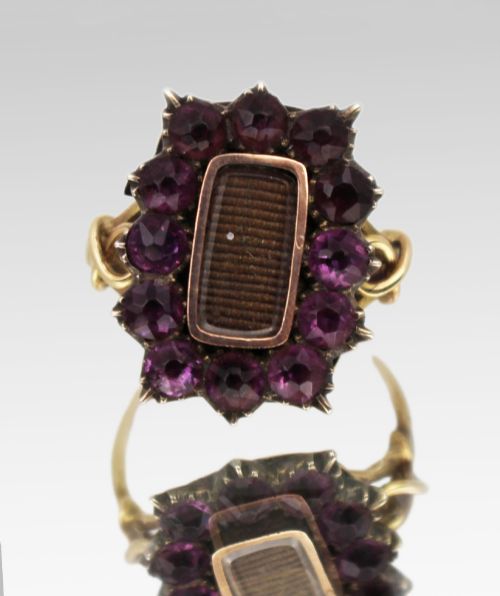
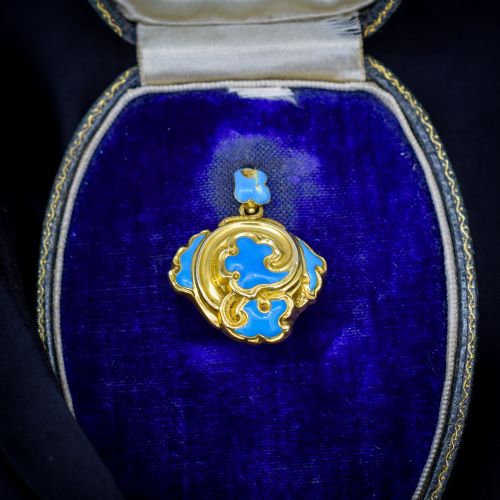
An antique memorial locket serves as a deeply personal keepsake designed to hold remnants of loved ones, most commonly taking the form of pendants, rings, brooches, and bangles. When you search for an antique memorial locket, you encounter pieces that span the Georgian, Victorian, and Edwardian periods, reflecting the shifting sentimental customs of those eras.
Mourning jewellery of this type ranges from heavy gold book picture lockets to delicate seed pearl shaker bangles and turquoise-set rings. The overarching purpose of these objects remains the commemoration of relationships and the remembrance of those who passed.
How they were made
Maker's workshops constructed these pieces using high carat gold, specifically 15ct and 18ct yellow gold, shaped into elaborate pendants, rings, and hinged lockets. Goldsmiths integrated structural bezels to secure glass and crystal panels that protected delicate interior compartments.
Artisans employed fine techniques such as enamel work, seed pearl setting, and intricate hair work, arranging human hair into geometric patterns or motifs behind glass. Gemstones including turquoise, garnet, ruby paste, and purple glass stones were flush-set or mounted with claw settings to accent the gold frameworks.
Antique Memorial Locket Retail Price Guide 2026
Typical asking prices for memorial locket among the pieces listed under this phrase on Sellingantiques today, from the lower quarter to the upper quarter. They describe what is for sale here now, not the wider market.
Some lockets feature tiny glass compartments designed to hold loose seed pearls that rattle softly when moved.
What varies in quality
The distinction between tiers of these pieces lies in the complexity of the goldsmith's work and the intricacy of the internal components. Superior examples display masterful enamel application, sophisticated hair arrangements, and higher gold carats such as 18ct, whereas simpler iterations utilise lower carat gold or standard glass glazing without decorative embellishment.
The preservation of internal contents, such as intact hair work and original glass covers, elevates the standing of a piece. Finer items integrate precious stones like seed pearls and turquoise seamlessly into the design, demonstrating a higher level of artisanal skill than plain metal work.
The Antique Memorial Locket Glossary
- Hair work
- The Victorian practice of arranging human hair into decorative motifs, feathers, or floral patterns to place inside a glazed compartment. This technique required immense patience and specialised skill.
- Shaker locket
- A type of jewellery featuring a glazed double-sided compartment where loose elements, such as seed pearls or tiny mementoes, move freely. They demonstrate clever miniature engineering.
- Seed pearl
- Very small, naturally occurring pearls often used in geometric or floral arrangements on mourning jewellery. Their delicate scale complements intricate gold settings.
- Enamel
- Vitreous glass fused to metal through high-temperature firing, frequently used in black or deep blue to signify mourning. It provides durable surface colour and contrast.
- Glazed locket
- A locket fitted with transparent crystal or glass panels designed to protect photographs, miniature paintings, or hair work. This element keeps the interior contents visible yet secure.
Antique Memorial Locket: Frequently Asked Questions
How were memorial lockets worn?
Victorian and Edwardian wearers displayed memorial jewellery in various ways depending on the specific form of the piece. Pendants and lockets hung from chains around the neck, while rings and bangles adorned the hands and wrists.
Brooches were pinned prominently to garments, often serving as visible markers of bereavement or remembrance during periods of formal mourning etiquette.
How do I care for an antique memorial locket?
Caring for these delicate pieces requires avoiding moisture, harsh chemicals, and ultrasonic cleaners, which can damage the internal hair work, glue, or glass seals. Gentle dusting with a soft cloth is usually sufficient to maintain the gold and gemstones.
Store each piece individually in a padded box to prevent scratching the glass panels and to protect the hinges and clasps from undue pressure.
How do I tell Victorian from Edwardian pieces?
Victorian pieces often feature heavier gold work, deep black or dark blue enamel, and sentimental motifs associated with deep mourning and heavy sentimentality. The materials frequently include high carat yellow gold, garnet, and intricate hair work.
Edwardian items tend to display lighter, airier designs with seed pearls, brighter yellow gold, and more delicate proportions. The overall aesthetic shifts from the solemnity of the mid-nineteenth century to a lighter, more decorative remembrance style.