





Antique Mechanical Bell
An antique mechanical bell delivers a crisp, tactile summons from an era before electricity reached every room.
Antique Mechanical Bell
When you search for an antique mechanical bell, you encounter a surprisingly varied group of objects designed to summon attention through leverage, springs, and hammers. The most frequent forms on this page include polished brass counter bells, novelty table bells shaped like animals, and wall-mounted door pulls from Georgian and Victorian households.
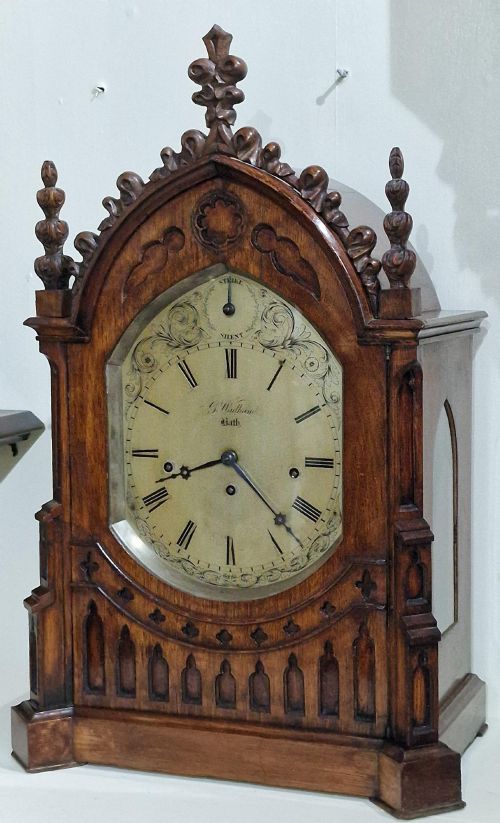
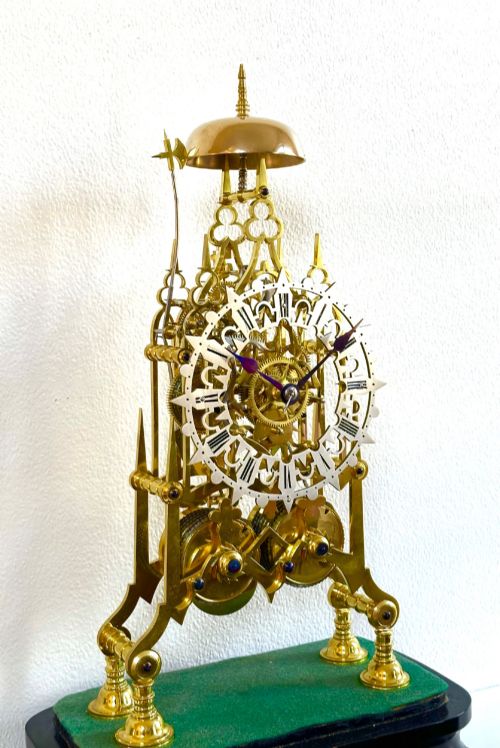
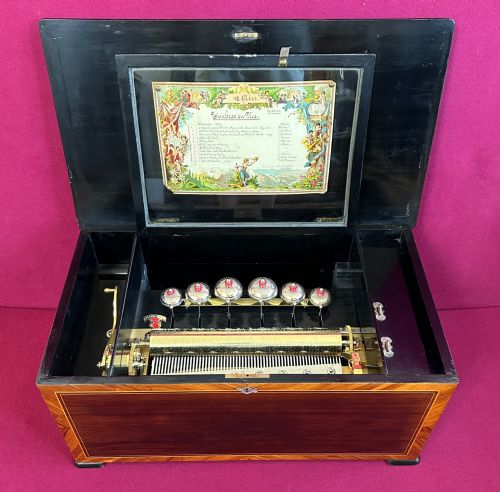
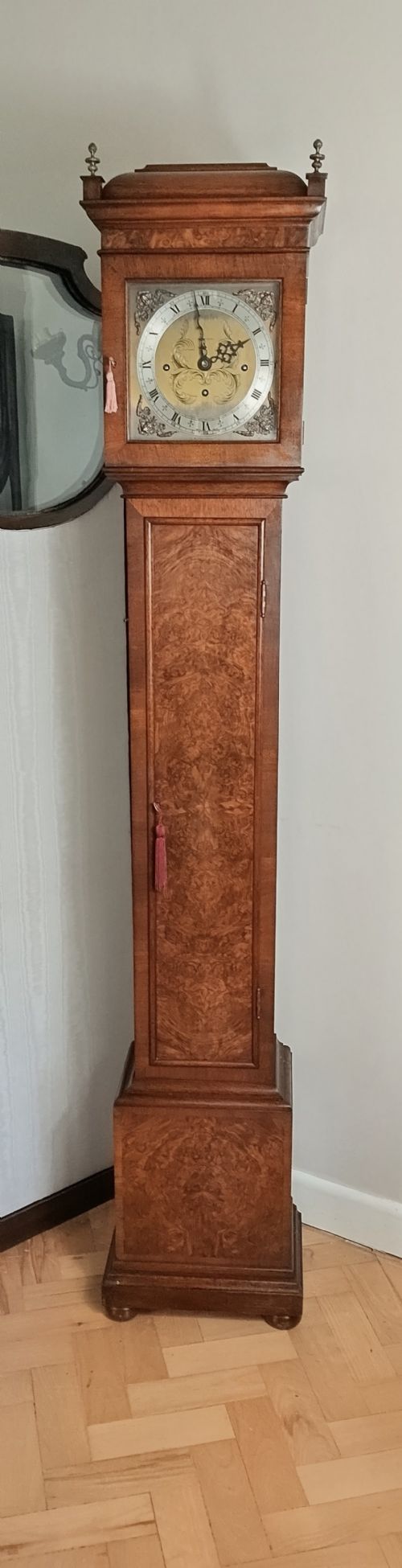
These pieces served practical roles in homes, shops, and offices, ringing out to call servants, announce visitors, or signal transactions on a counter. Alongside these dedicated desk and door bells, the category extends to complex musical boxes with visible bells and clock movements that strike the hour on tuned gongs.
How they were made
Makers relied primarily on cast brass, bronze, and sterling silver for the sound-producing elements and decorative bases, often pairing them with oak, rosewood, or walnut cabinetry. Iron and steel internal linkages provide the tension and release required to strike the bell cleanly when a plunger is pressed or a lever pulled.
Surface finishes range from polished bright brass to silver plating and horn details, showing the hand of nineteenth-century metalworkers and clockmakers who balanced acoustic resonance with ornamental design.
Desk bells and door hardware form the core of the mechanical bell selection.
What varies in quality
The distinction between ordinary utility hardware and superior examples lies in the crispness of the cast ornamentation and the purity of the chime. A finer desk or counter bell sounds a clear, sustained tone rather than a dull thud, reflecting careful alloy composition and precise internal spring tension.
Workmanship on novelty pieces and clock-linked bells shows in the detail of the chasing and the reliability of the mechanical action, where smooth operation without binding separates master workshop output from mass production.
George Wadham·Grey of Edinburgh·Dwerrihouse & Bell·Mathias Bauerle·James Evans
The Antique Mechanical Bell Glossary
- Fusee
- A conical pulley used in clockwork to maintain even force as the mainspring unwinds. It ensures consistent timekeeping and striking power.
- Carriage clock
- A small, portable spring-driven clock originally designed for travelling officers. Many incorporate repeat mechanisms to chime the last hour on demand.
- Lantern clock
- An early form of domestic brass clock made for suspension from a wall bracket or placement on a table. They typically feature striking trains exposed beneath domed bells.
- Bell pull
- A mechanical linkage of levers and pivots connected to a wire running through walls to a service bell. These decorative wall escutcheons signalled domestic staff from distant rooms.
Antique Mechanical Bell: Frequently Asked Questions
How do mechanical desk bells work?
Internal spring mechanisms translate a downward press on a plunger or lever into a sharp hammer strike against the interior of the metal dome. This creates an immediate, audible ring without the need for electrical wiring.
Most desk and counter models from the nineteenth century rely on durable brass springs and weighted cast bases to stay stable during use.
Where were door bell pulls mounted?
Door bell pulls were mounted beside exterior entrance doors, connecting via cranks and wires to servant bells located below stairs or in kitchens. The decorative brass backplate protected the wood or masonry surrounding the spindle.
Visitors would pull the handle downwards to rotate the crank, setting off a bell housed far away in the service quarters.
How do I care for antique brass bells?
Keep brass surfaces dry and dust them gently with a soft cloth to preserve the natural patina built up over decades of handling. Avoid aggressive commercial metal polishes that strip away historical surface character.
If the internal mechanical linkages require cleaning or lubrication, consult a professional horologist or metal conservator rather than forcing the parts apart.
Are novelty animal bells functional?
Novelty bells shaped as pigs, tortoises, or other figures are fully operational mechanical table bells designed for practical use in domestic settings. Pressing the head or tail trips the internal hammer against the bell concealed inside the body.
These whimsical pieces combined everyday utility with playful Victorian parlour design.