





Antique Matching Beds
Antique matching beds bring unified style to a bedroom, offering paired frames and coordinated suites crafted in periods from the Victorian era to Art Deco.
Antique Matching Beds
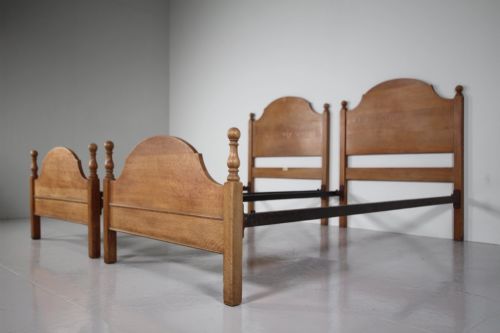
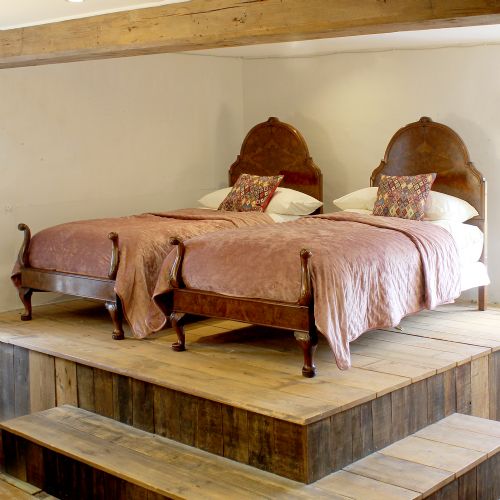
When searching for antique matching beds, buyers encounter twin single beds, paired French bedsteads, and complete bedroom suites that include coordinating bedside cabinets or chairs. These pieces span the Victorian and Edwardian periods through to the 1930s, offering historical designs created for harmonised room layouts.
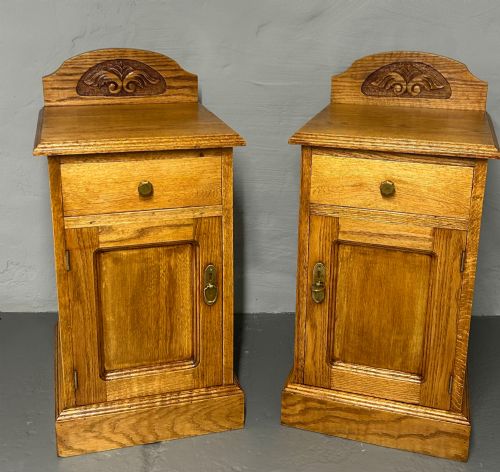
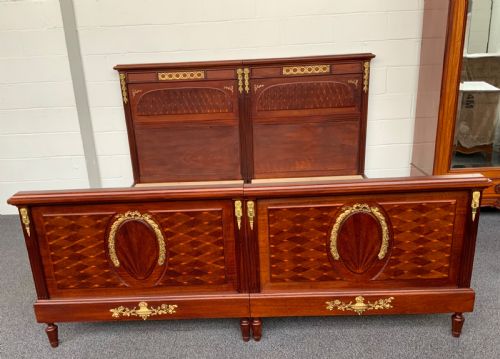
The most common forms on this page are matched pairs of single beds in walnut or mahogany, frequently accompanied by ensuite nightstands. Alongside these, larger double and king-size French bedsteads appear with carved details or fan-shaped veneers, alongside iron and brass variations.
The origins of these pieces range from English cabinet makers to French workshops, reflecting diverse stylistic revivals. Buyers find Queen Anne style proportions, Louis XVI influences, and distinct Art Deco geometry among the offerings.
How they were made
Cabinet makers utilised solid hardwoods such as walnut, mahogany, and oak, often applying figured walnut veneers to create striking grain patterns across large headboards. Timber elements were frequently carved by hand, particularly on French revival and Queen Anne style frames.
Antique Matching Beds Retail Price Guide 2026
Typical asking prices for matching beds among the pieces listed under this phrase on Sellingantiques today, from the lower quarter to the upper quarter. They describe what is for sale here now, not the wider market.
Listings feature walnut as the dominant timber, spanning Victorian, Edwardian, and 1930s Art Deco periods.
What varies in quality
The distinction between standard examples and top-tier pieces rests on the complexity of the timber figure and the crispness of the hand-carving. Heavily figured walnut and intricate marquetry indicate superior workshop output compared to plain veneer or machine-cut mouldings.
Completeness dictates standing, with full suites retaining their original matching bedside cabinets, marble tops, or chairs holding higher regard than isolated frames. Labelled pieces from known makers also elevate desirability.
Heals·Heal and Son·Waring and Gillows
The Antique Matching Beds Glossary
- Bedstead
- The framework of a bed consisting of headboard, footboard, and side rails. Unlike a modern divan, an antique bedstead usually requires specific mattress supports to fit its historic dimensions.
- Walnut Veneer
- A thin layer of decorative walnut timber applied over a secondary wood base. This technique allowed cabinet makers to display symmetrical grain patterns without risking the warping associated with solid wide boards.
- Chinoiserie
- European decorative style inspired by Chinese artistic traditions. It appears on Edwardian furniture through painted or lacquered motifs.
- Ensuite
- Referring to matching ancillary furniture pieces supplied alongside the bed, such as bedside cabinets and nightstands. These create a unified bedroom arrangement.
- Art Deco
- A design style from the 1920s and 1930s characterised by geometric shapes, stylised fan motifs, and sleek lines. It represents a departure from earlier historicist revivals.
Antique Matching Beds: Frequently Asked Questions
Do antique matching beds fit modern mattresses?
Historic beds often feature non-standard lengths and widths compared to contemporary sizing conventions. Custom mattress ordering or bespoke base adjustments are frequently required for a comfortable fit.
Buyers should verify internal dimensions carefully before purchasing to ensure modern bases or mattresses sit securely within the antique side rails.
What is included in a bedroom suite?
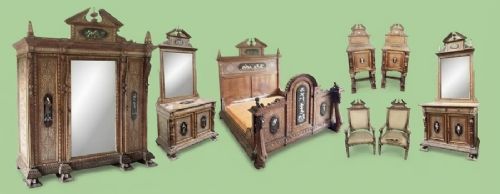
Complete bedroom suites typically comprise the main bedstead alongside matching bedside tables, cabinets with marble tops, or coordinating chairs. Some larger suites incorporate wardrobes and dressing chests.
These collections ensure a unified aesthetic across all furniture pieces within a principal bedroom.
How do I identify Art Deco beds?
Art Deco beds from the 1930s display symmetrical walnut veneers, fan-shaped headboards, and clean geometric profiles. They eschew heavy historical carving in favour of smooth, polished wood surfaces.
Original pieces often retain distinct streamline or Odeon influences characteristic of the interwar period.
Are iron and brass beds sturdy?
Cast iron and brass bedsteads offer exceptional structural rigidity thanks to robust metal joints and heavy framing. They combine heavy black-finished iron with polished brass finials for decorative contrast.
These metal frames provide durable alternatives to wooden alternatives while maintaining Victorian period character.