





Antique Maritime Wheel
These antique maritime wheel examples are robust steering helms and nautical instruments that bring authentic naval heritage directly into a room.
Antique Maritime Wheel
When you search for an antique maritime wheel, you are looking at substantial steering helms and related nautical timepieces originating from the nineteenth and early twentieth centuries. The selection encompasses large wooden ship wheels fashioned from durable timbers alongside desk clocks and bulkhead instruments framed in brass, chrome, and glass.
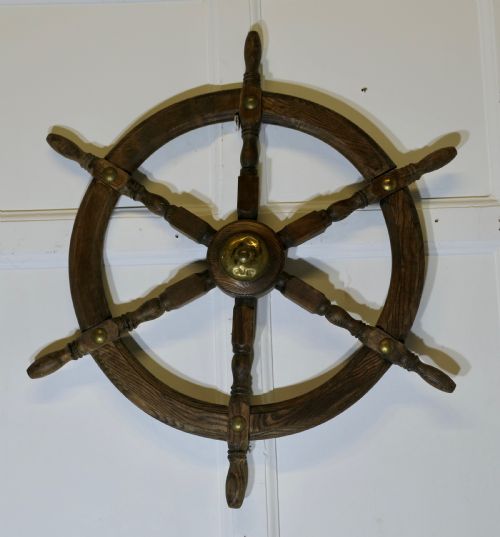
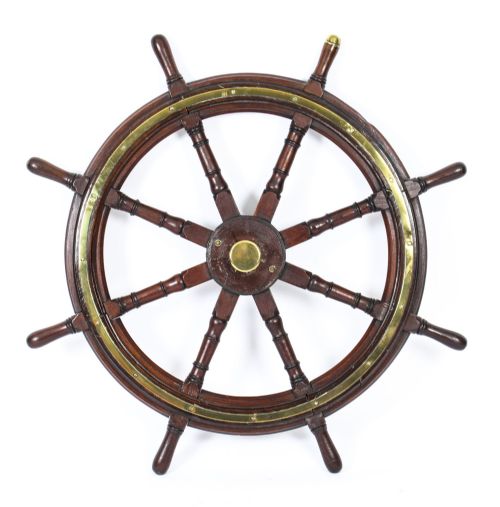
You are most likely to meet large steering helms constructed from teak or oak, featuring multiple spokes and brass centres, alongside smaller nineteenth century mantel and desk clocks styled around nautical themes. These pieces originate from British and international workshops, spanning periods from the Victorian era up to the nineteen-thirties.
How they were made
The large steering helms rely on heavy hardwoods such as teak and oak, shaped into sturdy rims and numerous spokes, often fitted with central brass hubs or bronze mountings to withstand harsh marine environments. Smaller pieces incorporate brass, chrome, and bevelled glass, housing delicate clockwork movements driven by pendulum or spring mechanisms.
Surface treatments vary from deep red paint applied to Welsh specimens to untreated natural timber finishes that display the distinct grain of the wood. Metal components utilise cast brass and polished chrome to provide durability and a clean aesthetic.
One early glass rummer carries engraved initials alongside a sailing ship, preserving a personal toast from an eighteenth or nineteenth-century tavern.
What varies in quality
The distinction between standard examples and superior pieces rests upon the integrity of the materials, the robustness of the construction, and the presence of original, untouched surfaces. Larger teak and oak helms with well-fitted brass hardware represent the heavier end of the craft, showing substantial weight and solid joinery.
Clockwork variations depend upon the sophistication of the movement and the quality of the casing, whether housed in a four-glass pendulum structure or a gilded frame. Retailing provenance and marked maker details further separate ordinary decorative items from historically documented instruments.
Benson Electric Co USA·Gay Vicarino·Pascall Atkey
The Antique Maritime Wheel Glossary
- Bulkhead clock
- A marine timepiece designed to be mounted directly onto the wall or bulkhead of a ship's cabin. These clocks typically feature heavy brass or chrome bezels and secure fastening systems to withstand rolling seas.
- Four glass clock
- A sophisticated clock design featuring glass panels on all four sides, allowing a clear view of the pendulum and movement within. This style is frequently found housing intricate nineteenth-century mechanisms.
- Rummer
- A heavy drinking glass with a short stem and a rounded bowl, often engraved with maritime motifs or initials. They were popular in British taverns and homes during the nineteenth century.
- Teak
- A dense, durable tropical hardwood prized for its high natural oil content and resistance to moisture. It is frequently utilised in large ship wheels for its ability to endure weathering.
- Spoke
- One of the radiating wooden rods connecting the inner hub to the outer rim of a ship's wheel. Steering wheels are commonly described by the total count of these wooden handles.
Antique Maritime Wheel: Frequently Asked Questions
What are antique maritime wheels made from?
The large steering helms are constructed from durable hardwoods such as teak and oak, frequently accented with brass or bronze hubs and fittings. Smaller items incorporate chrome, bevelled glass, and painted wood surfaces.
Materials reflect the utilitarian demands of naval environments, ensuring that surviving pieces retain their structural strength and substantial weight.
How were ship wheels used originally?
Steering helms were mounted on the deck of a vessel and connected to the rudder rigging, allowing the helmsman to steer the ship. The multiple spokes provided leverage when navigating heavy seas.
Smaller desk clocks and bulkhead instruments served to keep precise time for navigation watches and shipboard routines.
How do I hang a heavy ship wheel?
Large wooden wheels possess considerable weight and require secure wall anchoring into structural studs or masonry using appropriate fixings. The central brass hub often provides sturdy points for mounting brackets.
Ensure the wall support matches the scale of the timber helm before attempting to display it.
How can I tell Victorian wheels apart?
Victorian examples generally feature traditional oak or teak construction with pegged joinery and brass centre plates, reflecting nineteenth-century shipwright methods. Later twentieth-century versions may introduce chrome plating or industrial series designs.
Examining the wear patterns, timber grain, and any retailer signatures helps establish the period of manufacture.