




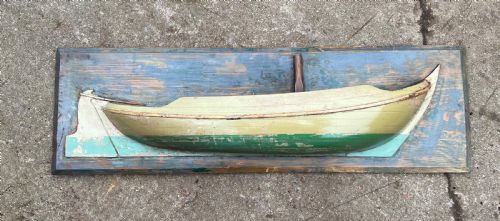


Maritime Wall Hanging
These maritime wall hanging pieces bring the character of the sea indoors, offering brass, wood, and canvas items shaped by decades of nautical history.
Maritime Wall Hanging
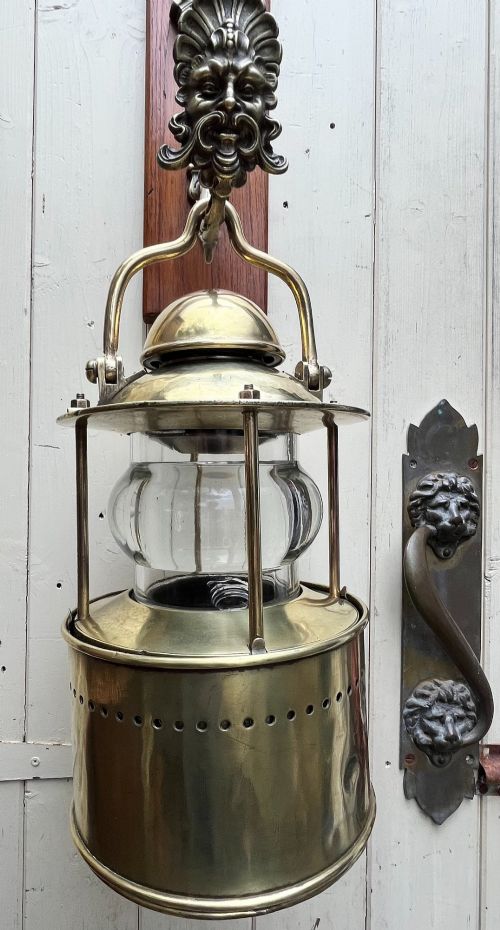
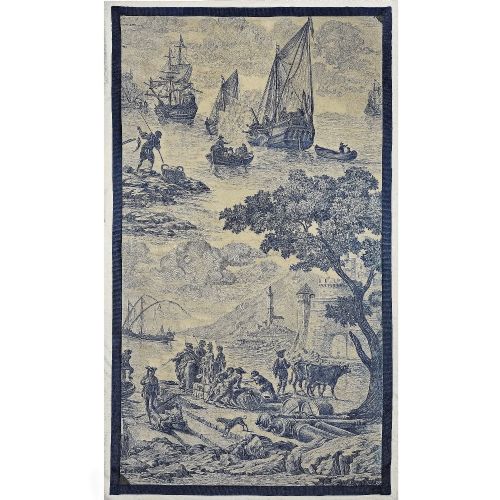
A maritime wall hanging encompasses varied objects connected to the sea and ships, including lanterns, barometers, textile panels, and decorative folk art. Buyers searching this phrase look for authentic items that bring nautical history directly onto interior walls.
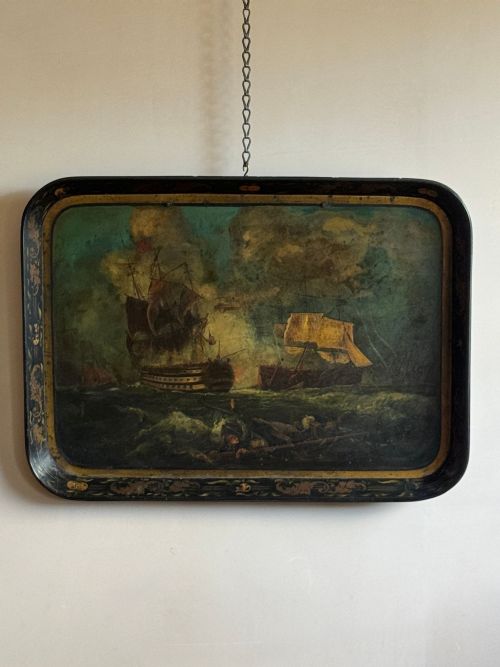
The selections available here range from Victorian oak ships barometers and brass hanging bells to textile panels and framed oil paintings. Pieces span from the Georgian period through the nineteenth and early twentieth centuries, reflecting diverse maritime traditions.
How they were made
Makers utilised durable materials suited to maritime environments, combining solid woods like oak, beech, and mahogany with heavy brass components and glass. Papier-mâché and lacquer also appear, often finished with detailed paintwork or japanning.
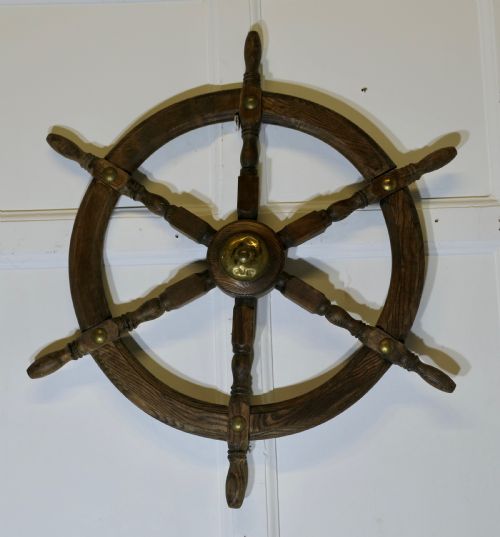
Textile works rely on cotton panels and woven flags, while carved items like half models and wheels demonstrate traditional carpentry and woodworking techniques. Metal components feature sturdy casting and turning, built to withstand sea conditions.
The listings span from the Georgian era through the 1940s, featuring oak, brass, glass, and cotton.
What varies in quality
Quality rests in the integrity of the materials and the precision of the construction, distinguishing standard utility items from finer decorative pieces. Heavier gauge brass, substantial timber framing, and preserved original surfaces elevate a piece significantly.
The distinction also lies in provenance and maker execution, particularly in detailed dioramas, hand-painted works, and specialised instruments like barometers. Depth of carving on wooden elements and the preservation of original fabric or paint define the upper tier.
The Maritime Wall Hanging Glossary
- Barometer
- An instrument used to measure atmospheric pressure to forecast weather, frequently housed in circular wood or brass maritime frames. These instruments were essential navigational tools aboard ships.
- Diorama
- A three-dimensional scene enclosed in a case, often depicting sailing vessels at sea with detailed model rigging and painted backgrounds. These displays captured specific naval engagements or races.
- Half model
- A wooden model representing one side of a ship hull, built by boatbuilders to test hull designs and proportions before full construction. They were frequently mounted on boards for display.
- Japanning
- A European imitation of East Asian lacquerwork, applied to items like papier-mâché trays to create a glossy, dark decorative surface. This technique was popular during the Georgian and Regency periods.
- Toile
- A type of fabric featuring a repeating printed pastoral or nautical scene, seen in nineteenth-century decorative interior panels. The design is typically monochrome on a pale linen or cotton ground.
Maritime Wall Hanging: Frequently Asked Questions
What materials are common in maritime wall pieces?
These items predominantly feature solid woods such as oak and beech, paired with functional brass mounts, bells, and glass indicators. Cotton textiles and painted surfaces also appear frequently across the selection.
Makers selected these materials for their durability and resilience against marine environments, ensuring they survived long service at sea before entering domestic interiors.
How do I date a maritime wall item?
Dating relies on identifying construction methods, fastener types, wood species, and stylistic markers characteristic of periods like the Victorian era or the early twentieth century. Specific hardware styles and painted details often provide clear chronological clues.
Examining the backboards, fixings, and wear patterns helps distinguish nineteenth-century examples from later reproductions or vintage items.
How should I hang heavy maritime items?
Due to the substantial weight of brass and hardwood components like ships wheels or barometers, secure wall fixings into structural studs or appropriate masonry anchors are essential. Ensuring the original hanging brackets remain sound is a primary consideration before installation.
Positioning pieces at eye level allows the detail of the woodwork, dials, and glass to be appreciated properly within a room.