





Antique Maritime Helm
These antique maritime helm pieces bring the genuine weight and timber of the sea straight into a room.
Antique Maritime Helm
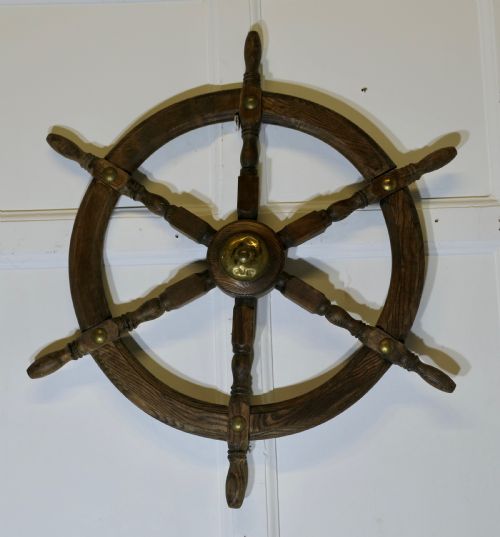
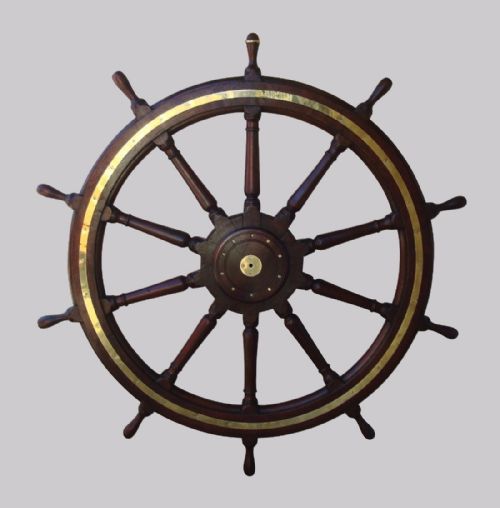
When you search for an antique maritime helm, you encounter pieces that range from large ships wheels in teak and oak to desk clocks housed in industrial nautical casings. The materials reflect their original working environments, combining sturdy hardwoods with brass and iron fittings.
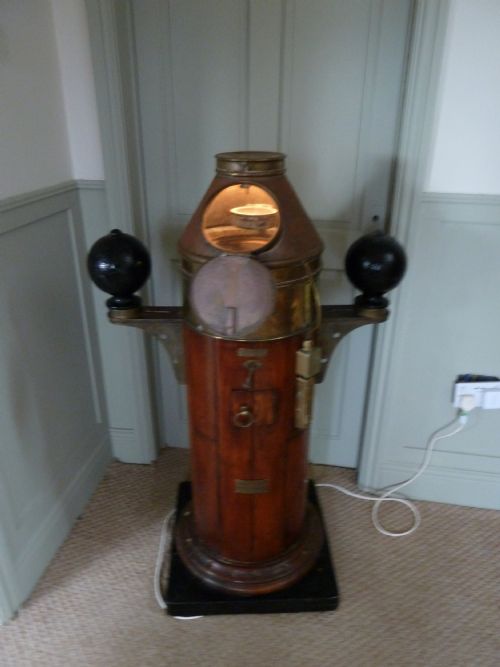
Most examples date from the nineteenth century, including Victorian pieces and items originating around eighteen fifty to eighteen ninety. You also find specialised forms such as ships binnacles and desk clocks styled after navigational instruments.
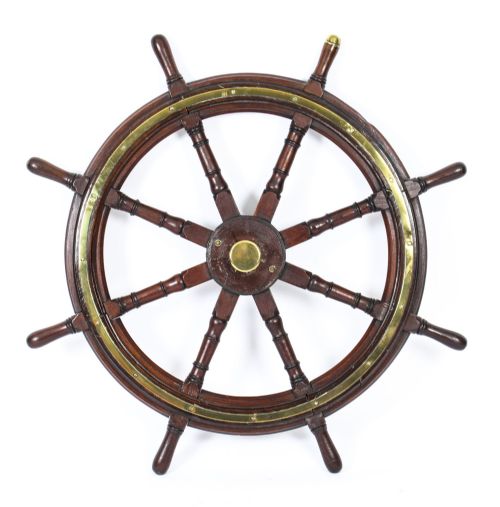
The objects vary considerably in scale, from small Welsh ship wheels in deep red paint to four-foot teak wheels with eight spokes. They cross several categories including maritime decor, folk art, and industrial antiques.
How they were made
Makers constructed these helms using durable timbers suited for marine conditions, predominantly teak and oak, alongside general hardwood and painted wood surfaces. Brass and iron formed the structural mountings, mechanical components, and decorative bezels.
Workshops applied protective coatings including deep red paint or left the timber in untouched condition to weather naturally. Clock mechanisms within the maritime category incorporated enamel faces and glass covers to protect the dials.
Listings feature items from the nineteenth century alongside early twentieth-century examples, utilising teak, oak, brass, iron, and glass.
What varies in quality
Quality rests on the integrity of the timber and the preservation of the original surface, whether that is an untouched nineteenth-century patina or early red paint. The structural joining of the spokes to the central hub dictates the physical stability of the wheel.
Finer pieces display crisp metal fittings in brass and iron alongside precise joinery that reflects genuine nautical utility rather than later decorative reproduction.
Benson Electric Co USA·Gay Vicarino·Pascall Atkey of Cowes
The Antique Maritime Helm Glossary
- Binnacle
- A built-in housing on a ship traditionally placed in front of the helmsman to hold a compass and navigation equipment.
- Teak
- A dense, durable tropical hardwood selected for marine environments due to its natural resistance to moisture.
- Spoke
- One of the radiating bars connected to the central hub of a ship wheel, used by the crew to turn the helm.
- Mantel clock
- A household clock designed to sit on the shelf above a fireplace, sometimes adapted from marine instrument designs.
Antique Maritime Helm: Frequently Asked Questions
How do I mount a large ship wheel?
Large wheels require secure wall anchoring into stud work or masonry due to their substantial teak and iron weight.
Position the centre hub over a reinforced bracket to distribute the load evenly across the wall surface.
Were all these wheels used on actual ships?
Many examples served practical steering functions on nineteenth-century vessels before entering the antiques market.
Others were manufactured as smaller decorative items or desk clocks incorporating nautical themes.
How do I care for untreated teak?
Untouched nineteenth-century timber benefits from gentle dusting without chemical polishes that alter the dry surface.
Keep the wood away from direct heat sources to prevent the old grain from splitting.
What is the difference between a helm and a binnacle?
A helm refers to the steering wheel mechanism used to direct the vessel through the water.
A binnacle is the separate housing that protects the ship compass near the steering position.