


Antique Maritime Artifacts
Antique maritime artefacts hold the raw history of the sea, offering physical connections to centuries of navigation, salvage, and naval command.
Antique Maritime Artifacts
Antique maritime artefacts span practical gear, decorative items, and personal objects connected to ships and the sea. When exploring antique maritime artefacts, buyers encounter everything from massive iron anchors to small bone tools.
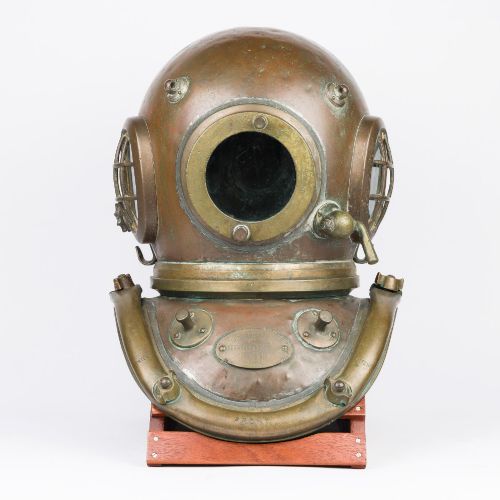
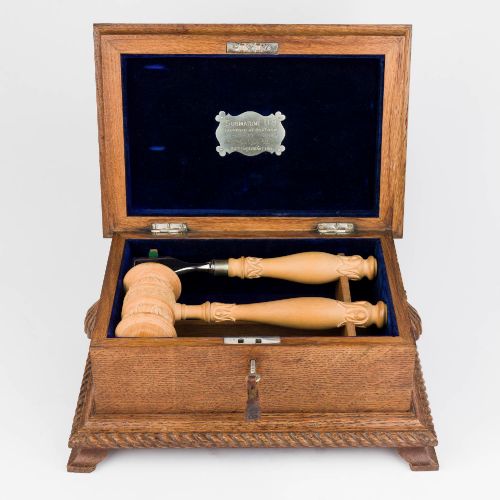
The selection ranges from pre-sixteenth century bronze signet rings to heavy diving helmets from the twentieth century. Common forms include pulley blocks, presentation boxes, and ship wheels shaped by decades of maritime use.
Earlier centuries appear through wrought iron and carved whalebone, while later periods bring industrial copper, brass, and heavy oak. Each object carries the specific utilitarian design required for life afloat or in coastal trades.
How they were made
Makers shaped these pieces using durable metals like brass, bronze, copper, and wrought iron, alongside natural timber such as elm and oak. Heavy casting, hand-forging, and precise metal-working defined the production of bells, anchors, and diving helmets.
Organic materials required careful carving and smoothing, as seen in sail makers' seam rubbers formed from long bone and statues shaped from whalebone. Artisans utilised simple hand tools to shape wood and bone into functional items that withstood harsh marine environments.
An eighteenth-century bone object sits quietly alongside massive diving gear, proving sailors spent long voyages carving small mysteries.
What varies in quality
Quality rests in the integrity of the material and the crispness of surviving detail, such as the clear casting of a ship design on a medieval bronze ring or the sturdy grain of an elm pulley block. Pieces retaining their original working components stand apart from heavily altered examples.
The degree of honest wear dictates the character of the object, distinguishing items shaped by genuine service at sea from later reproductions. Superior examples show purposeful craftsmanship tailored to the demands of naval or merchant operations.
The Antique Maritime Artifacts Glossary
- Pulley block
- A wooden shell enclosing one or more sheaves used to change the direction of a rope. Elm was frequently chosen for its resistance to splitting under heavy maritime loads.
- Seam rubber
- A smooth hand tool used by sailmakers to flatten canvas seams during stitching. Bone and whalebone provided the dense, friction-resistant surface required for this task.
- Signet ring
- A small finger ring bearing a carved or raised design used historically for sealing documents. Maritime examples feature nautical motifs such as ships cast in bronze.
- Wrought iron
- Iron beaten into shape while hot by a blacksmith, prized for its fibrous texture and toughness. This material was essential for manufacturing heavy anchors exposed to constant seawater corrosion.
Antique Maritime Artifacts: Frequently Asked Questions
What materials are common in maritime pieces?
These items utilise durable substances suited to the sea, combining metals like brass, bronze, copper, and iron with woods such as oak and elm.
Organic materials like bone and whalebone also appear in smaller tools and carvings produced by sailors and coastal artisans.
How do I date an iron anchor?
Dating relies on the manufacturing technique, the form of the shank and arms, and any associated documentation or provenance from its recovery.
Early examples often show hand-forged wrought iron construction rather than later machine casting.
Where were diving helmets used?
Standard diving helmets served in commercial salvage, deep-sea exploration, and naval operations for underwater construction and repairs.
Heavy metal and glass construction allowed divers to breathe via surface-supplied air hoses while withstanding extreme underwater pressure.
How should I display a ship wheel?
Large wooden wheels require stable indoor wall mounting or a secure floor stand to support their substantial weight.
Keep them away from direct heat sources to prevent the timber and any brass fittings from drying out or cracking.