


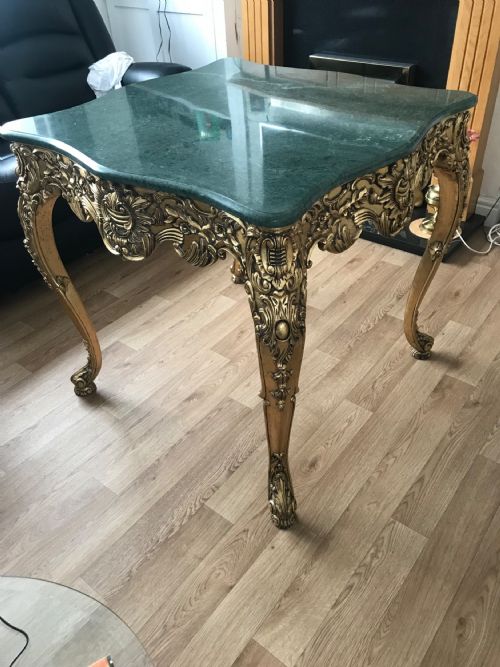


Antique Marble Game
An antique marble game brings tactile challenge and weighty presence into a room, combining polished stone surfaces with traditional strategy and pastime forms.
Antique Marble Game
When you search for an antique marble game, you encounter a selection of solid stone boards, chess tables, and solitaire sets created for tabletop play. These objects range from compact solitaire boards designed for individual puzzle-solving to large occasional tables configured for chess.
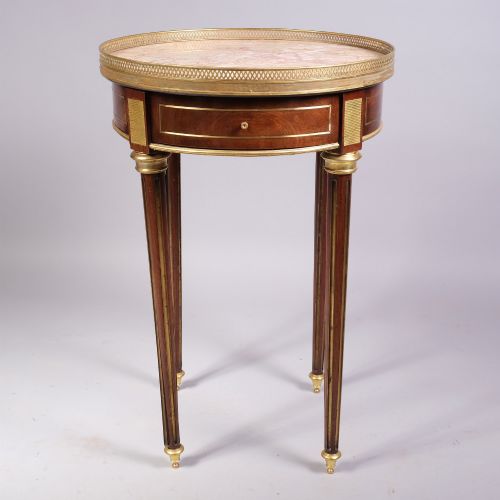
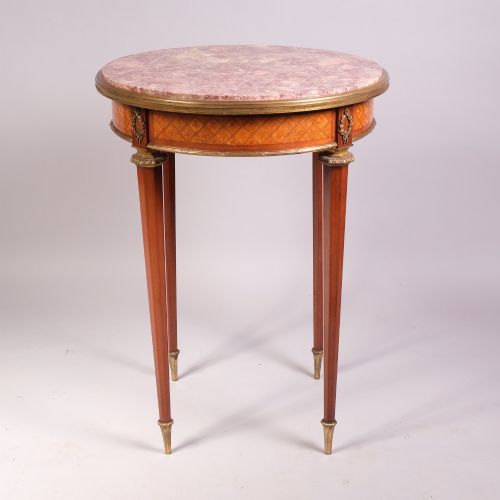
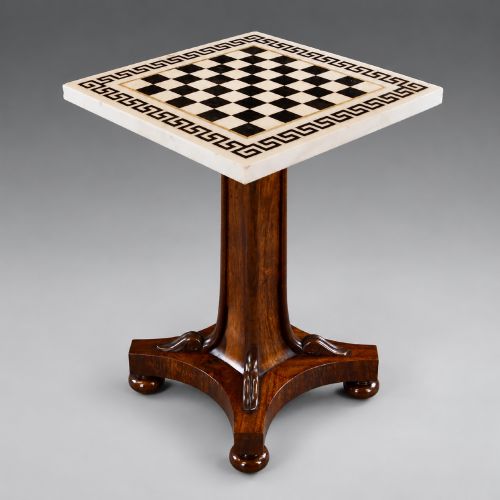
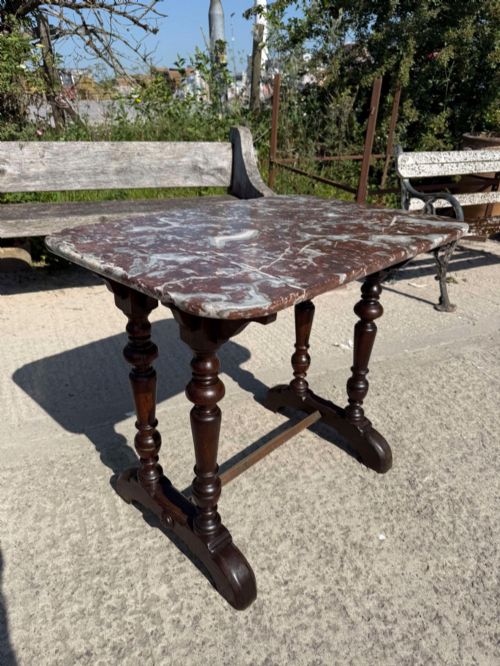
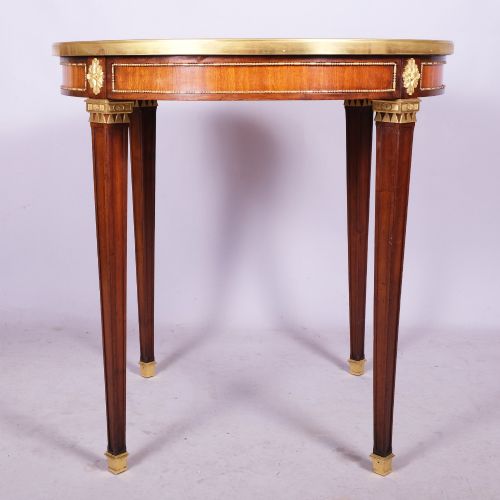
The versions you meet most frequently on this page date from the nineteenth century and the Art Deco period. They include mahogany and rosewood chess tables alongside circular bouillotte tables featuring polished green or specimen marble tops.
Makers and craftsmen of these periods utilised the natural figuring of stone to create playing surfaces that double as decorative furniture. Whether configured as a standalone board or integrated into a games table, each piece reflects the prevailing style of its era, from Regency austerity to Victorian ornamentation.
Materials and construction
The primary materials recorded in these pieces are marble, specimen marble, and glass, paired with sturdy timber frames in mahogany, walnut, and rosewood. Brass and giltwood appear frequently as decorative mounts, paw detailing, and structural accents supporting the stone tops.
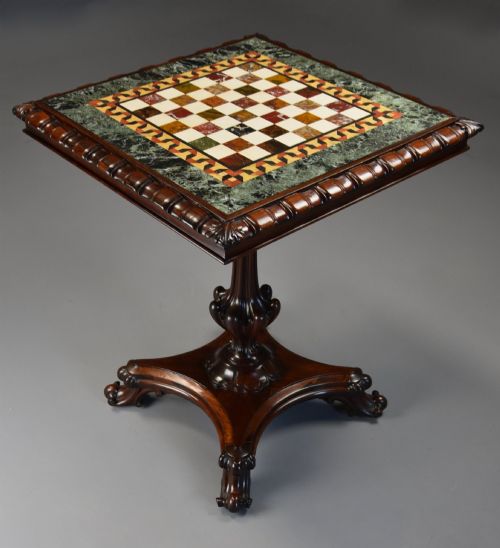
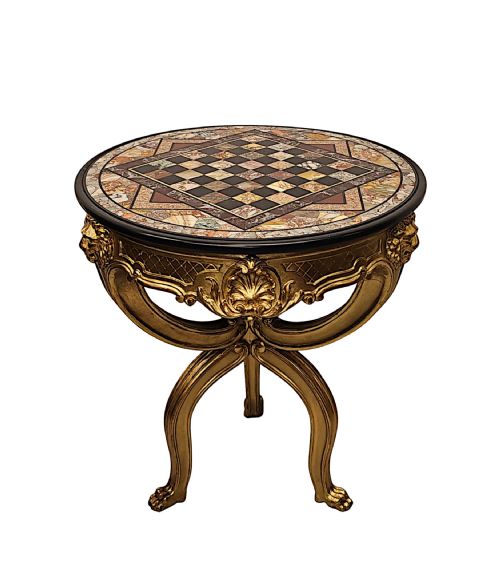
Masons and cabinetmakers cut the stone into precise squares or circular slabs, polishing the surface to a smooth finish that highlights the natural grain and colour variations. Inlaid specimens require meticulous stone-cutting techniques to fit disparate marbles together into a seamless playing grid.
Solitaire boards utilise turned wooden bases or shaped marble panels drilled with symmetrical indentation circles to hold glass or stone marbles during play. Chess tables combine heavy stone tops with stable pedestals or legs designed to bear the considerable weight of the material.
Antique Marble Game Retail Price Guide 2026
Typical asking prices for marble game among the pieces listed under this phrase on Sellingantiques today, from the lower quarter to the upper quarter. They describe what is for sale here now, not the wider market.
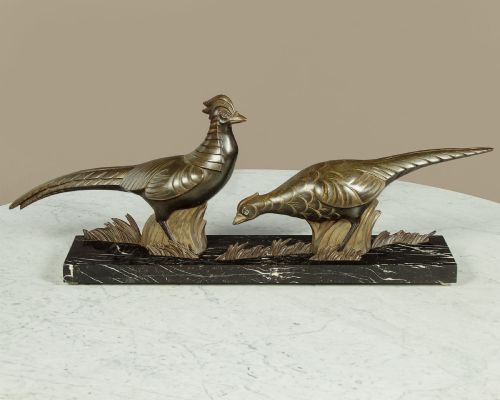
Golden pheasants cast in Art Deco metalwork watch silently over the room while the marble chess pieces wait motionless for their next move.
Factors of quality
Quality in these pieces rests upon the selection and preparation of the stone itself, particularly the complexity of specimen marble work and the depth of the polish. Finely chosen mineral varieties display intricate natural patterns and precise colour contrast across the playing squares.
The integration between the stone top and the wooden or gilt base dictates structural integrity and overall balance. Finer examples feature substantial brass detailing, solid timber construction, and tight joints that support the heavy weight without sagging.
The survival of original components, such as matching glass or stone marbles for a solitaire board, elevates the integrity of the object. Precision in the inlaid grid or the turned recesses marks the difference between standard production and superior craftsmanship.
The Antique Marble Game Glossary
- Bouillotte table
- A small French circular card or gaming table featuring a raised gallery edge around a marble top. It typically includes small candle arms or pull-out slides.
- Specimen marble
- Stone composed of numerous different polished mineral fragments inlaid into a single surface to display varied geological colours and patterns. It often originates from Grand Tour souvenirs.
- Solitaire board
- A circular or rectangular board with a recessed grid of indentations designed for a single player to jump marbles over one another until one remains.
- Animalier
- A nineteenth-century artistic style focusing on realistic depictions of animals, frequently applied to bronze or cast metal sculptures associated with sporting and domestic settings.
- Giltwood
- Timber that has been coated with a thin layer of gold leaf or gilt gesso to provide a decorative metallic finish on furniture frames and mounts.
Antique Marble Game: Frequently Asked Questions
How do I care for an antique marble top?
Clean the stone surface using a soft, damp cloth and dry it thoroughly to prevent water marks or staining. Avoid acidic cleaning agents that can etch the polished finish.
Keep the piece away from direct heat sources and protect the stone from sharp impacts that could chip the edges or crack inlaid specimen sections.
Were these tables used for actual gaming?
Many of these pieces were manufactured specifically as functional items for chess, checkers, and solitaire pastimes in nineteenth-century drawing rooms. The weight of the stone provided a stable surface for piece movement during play.
Over time, numerous examples transitioned into decorative occasional furniture while retaining their original playing configurations.
What is a Grand Tour connection?
The Grand Tour refers to the traditional travels undertaken by wealthy Europeans through France and Italy to collect art and cultural artefacts. Specimen marble chess boards and tabletop items served as popular souvenirs brought back from these journeys.
These items showcase regional Italian stonemasonry skills adapted to British and French domestic interiors.
How do I distinguish nineteenth-century pieces?
Nineteenth-century examples display traditional joinery methods, such as hand-cut dovetails and solid timber frames in mahogany, walnut, or rosewood. The marble work often shows hand-finishing marks and natural mineral variations distinct from modern manufactured stone.
Stylistic cues like Regency proportions, Victorian mahogany frames, or Grand Tour specimen work help anchor the piece to this period.