



Antique Marble Dressing Table
An antique marble dressing table brings solid stone and rich timber together for a practical bedroom centrepiece.
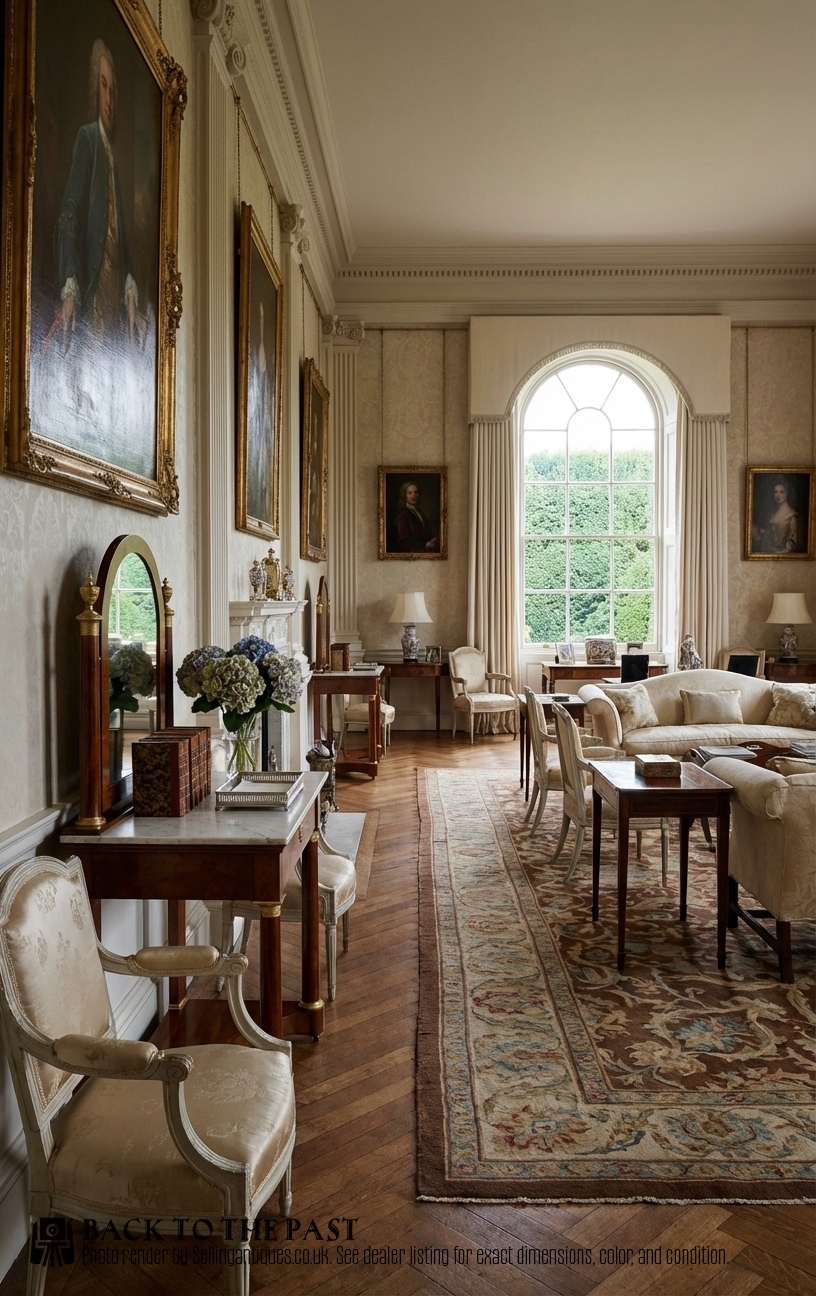
Antique Marble Dressing Table
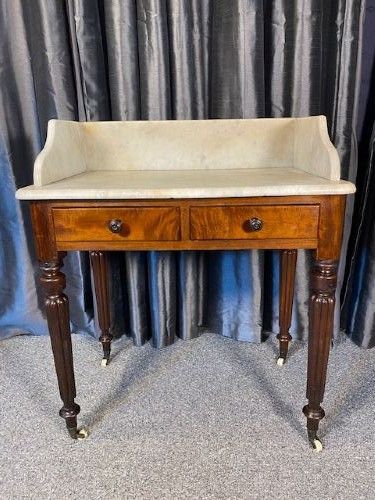
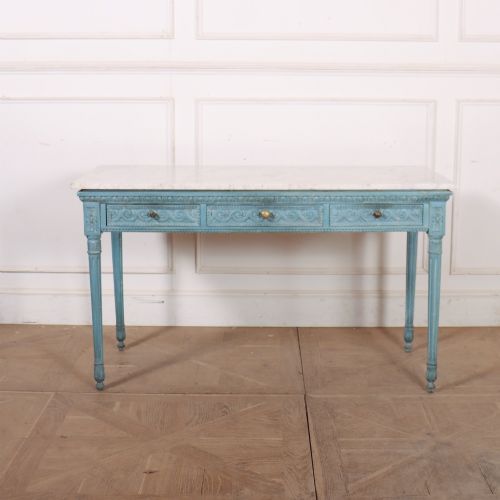
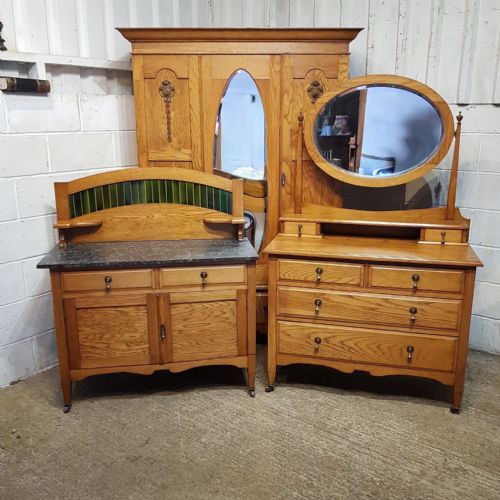
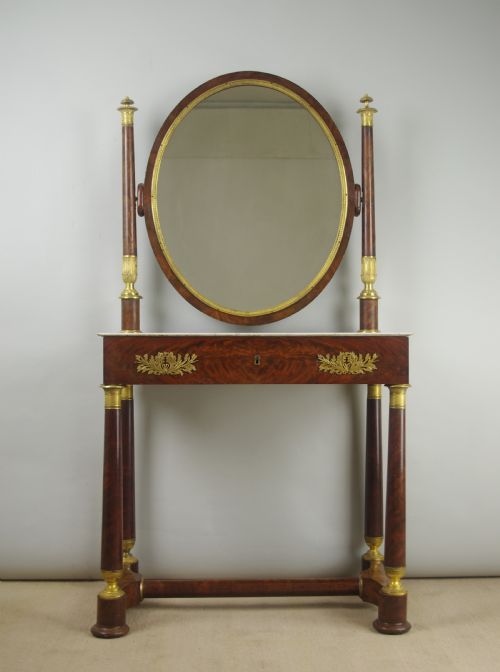
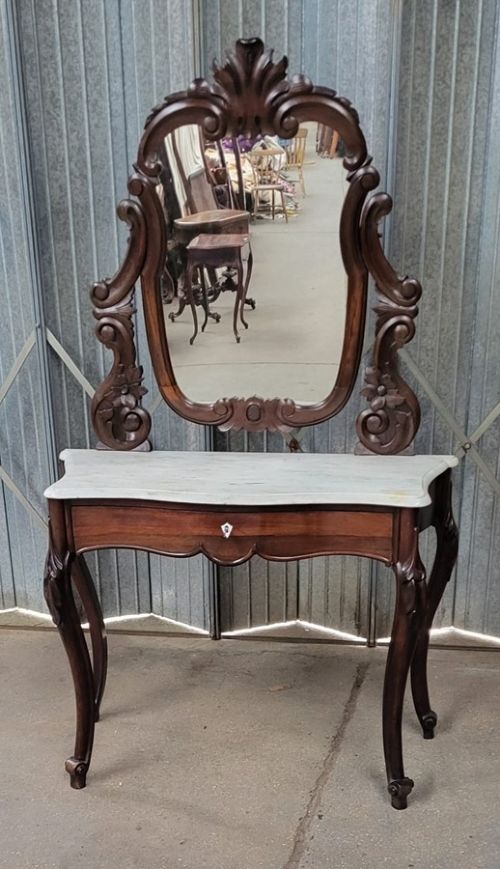
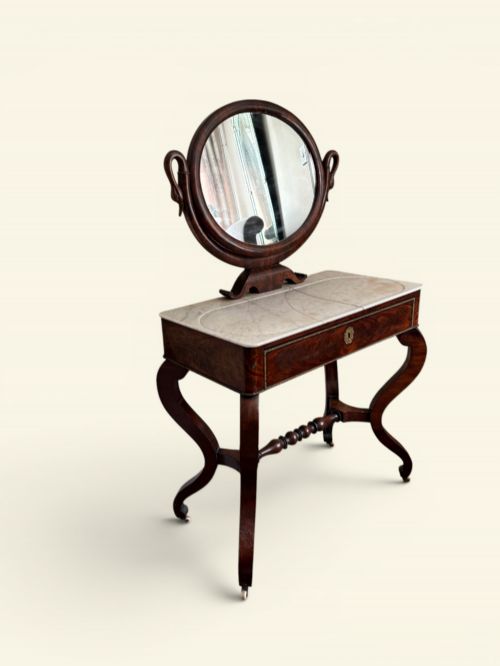
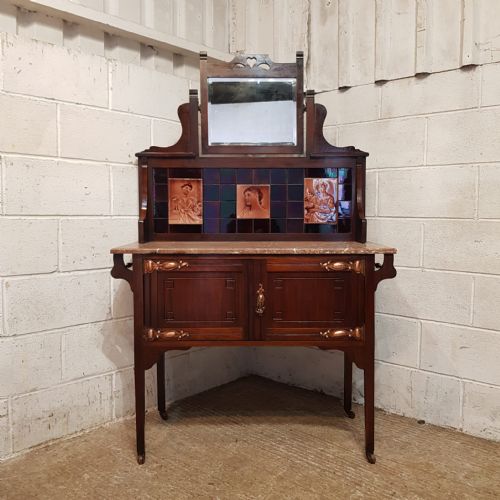
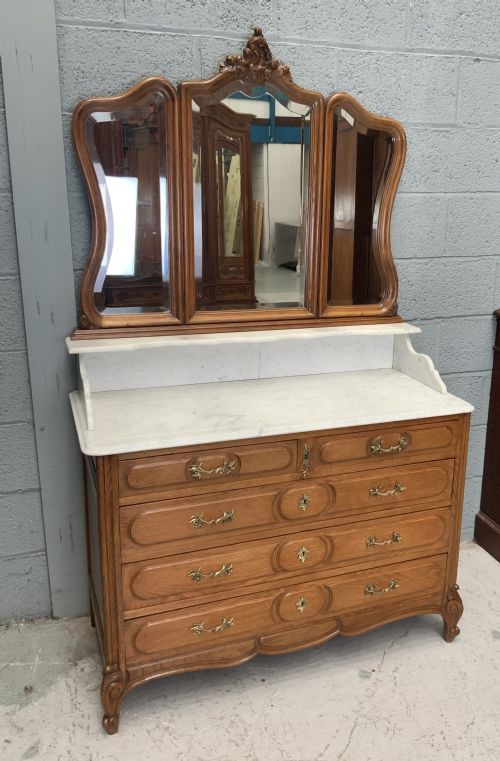
When buyers search for an antique marble dressing table, they encounter a range of bedroom furniture spanning the eighteenth, nineteenth and early twentieth centuries. These survivors include French Empire designs, Victorian walnut pieces and Edwardian washstands fitted with stone slabs.
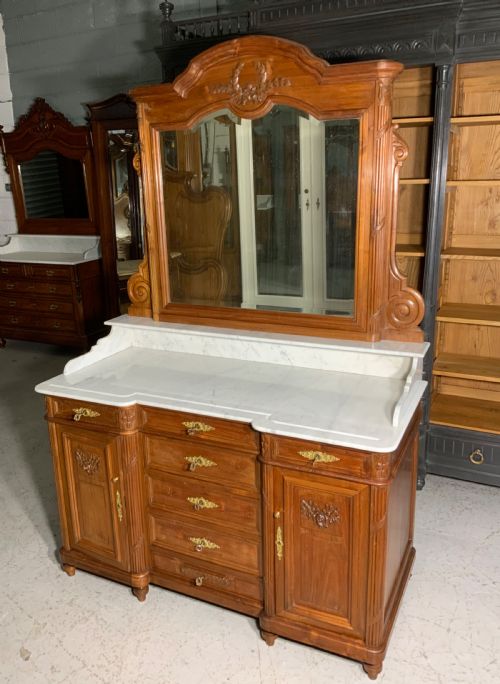
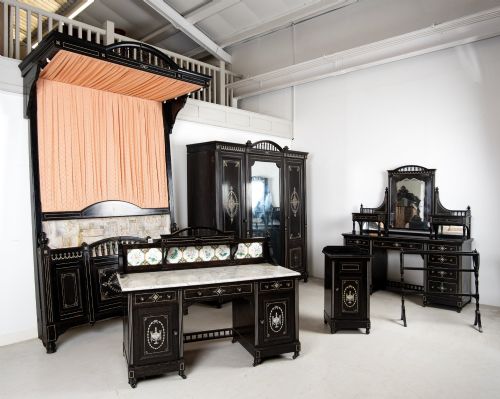
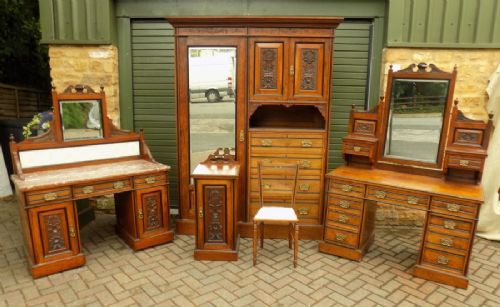
The material forms the working surface of dressing chests, washstands and lowboys designed for personal grooming. Many incorporate tilting mirrors, ceramic tiles and matching side cabinets within larger bedroom suites.
French and English workshops dominate the selection, utilising hardwoods like mahogany, oak, walnut and maple alongside decorative veneers. The combination of cool stone and warm timber defines the domestic character of these furnishings.
Materials and Construction
Cabinetmakers constructed the frames from solid timbers such as mahogany, oak and walnut, frequently applying veneers of bird's-eye maple, satinwood or burr walnut to visible surfaces. These wooden carcases supported heavy marble slabs, which were cut and polished to fit exact dimensions.
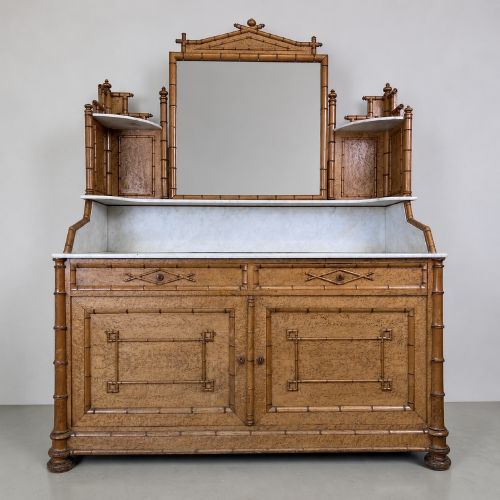
Metal components added structural detail and decorative contrast, utilising cast brass handles, gilt bronze ormolu mounts and ceramic tile splashbacks. French makers favoured faux-bamboo turning and carved walnut, while English cabinetmakers employed inlay and mahogany solids.
Some nineteenth-century makers painted ordinary timber to mimic exotic bamboo shoots for morning washrooms.
Distinctions in Quality
The grading of these pieces depends upon the selection of timber veneers and the figuring within the marble top. Finely matched grain patterns and thick, well-veined stone indicate superior workshop standards.
Carving depth and the crispness of brass or ormolu mounts separate standard production items from ambitious commissions. Original hardware and intact mirror plates contribute significantly to the integrity of the piece.
Heal s·Maples
The Antique Marble Dressing Table Glossary
- Ormolu
- Gilded bronze mounts applied to furniture, common in French Empire designs. This decorative technique enhances the corners and legs of formal tables.
- Washstand
- A wooden piece of furniture fitted with a marble top designed to hold a basin and jug. Many surviving examples function well as modern dressing tables.
- Faux-bamboo
- Wood turned and painted to resemble natural bamboo stems. This decorative finish appeared frequently on late nineteenth-century French bedroom furniture.
- Lowboy
- A small dressing or side table featuring drawers beneath the top. Eighteenth-century versions often display cabriole legs and fine timber veneers.
Antique Marble Dressing Table: Frequently Asked Questions
How do I care for a marble top?
Wipe the stone surface regularly with a soft, damp cloth to remove dust and daily residue. Avoid acidic cleaners or lemon juice, which can etch the polished finish.
Apply a neutral stone sealer periodically to protect against moisture rings and stains. Lift heavy objects rather than sliding them across the stone.
Were these tables originally used for washing?
Many pieces fitted with marble slabs began life as washstands rather than purely cosmetic dressing tables. The stone provided a water-resistant surface for basins, ewers and ceramic toiletries.
Over time, many of these washstands transitioned into dressing tables or sideboards within modern domestic settings.
How do I date an antique dressing table?
Examine the secondary woods inside the drawers, the style of the handles and the construction methods used for the joints. Hand-cut dovetails and timber choices often point towards specific decades like the Victorian or Edwardian eras.
Compare the decorative motifs, such as Aesthetic Movement incising or French Rococo carvings, with dated examples from the same stylistic movement.
Can I remove the marble top?
Most marble slabs rest loose upon the wooden frame to allow for easier transport and cleaning. Heavy weight usually keeps the stone secure without requiring permanent fixings.
Lift the slab straight up with assistance to check for supporting wooden battens underneath before attempting to move the entire piece of furniture.