

Antique Maple Cabinet
An antique maple cabinet brings figured timber and practical storage into a room, spanning periods from Victorian to Art Deco.
Antique Maple Cabinet
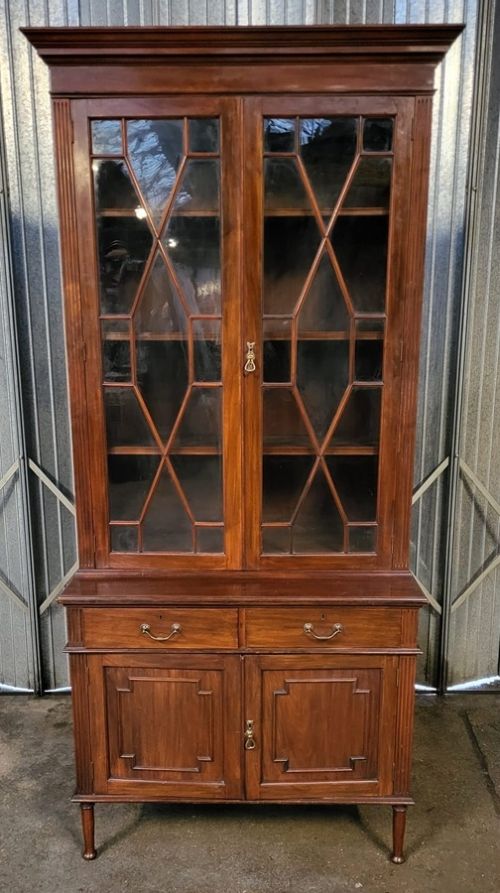
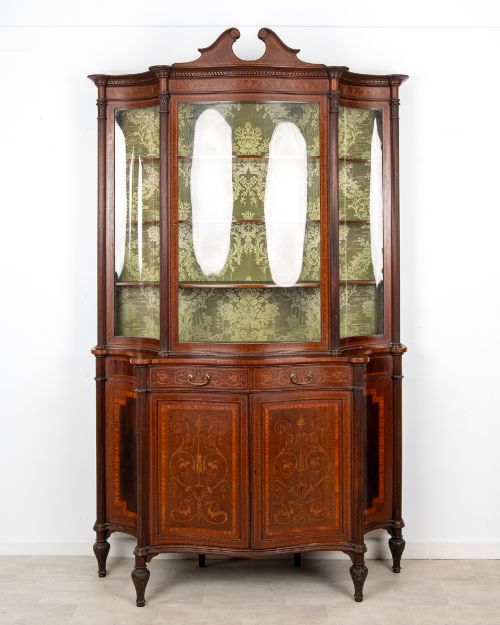
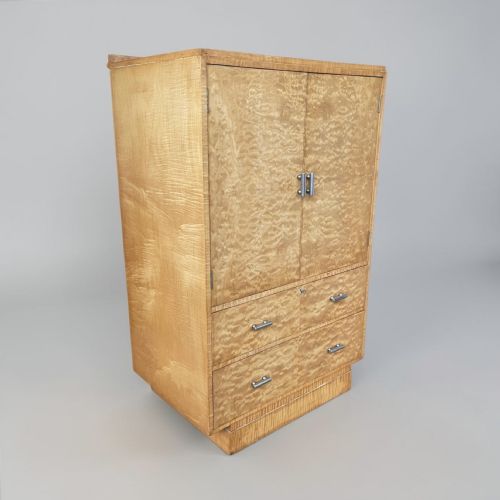
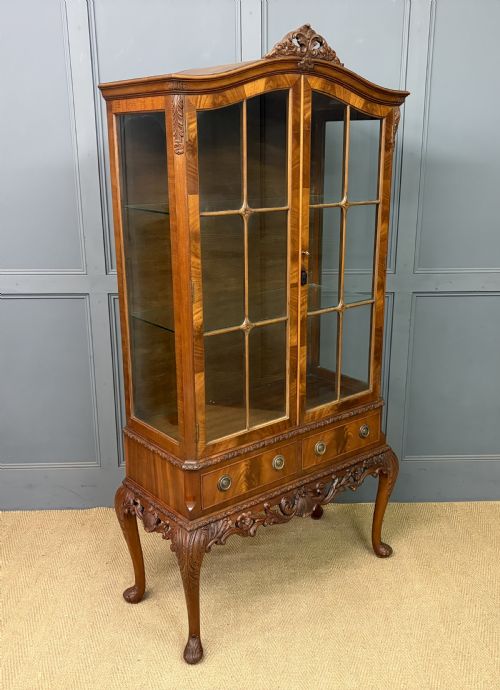
When searching for an antique maple cabinet, buyers encounter pieces ranging from Victorian display cases and compactum wardrobes to Art Deco cocktail cabinets and bedside cupboards. These items originate across the nineteenth and twentieth centuries, including Edwardian and 1930s examples.
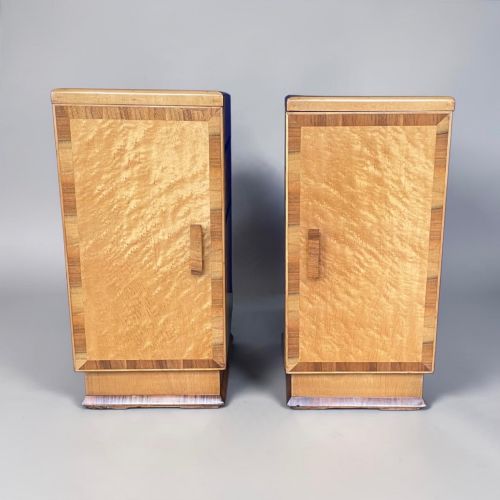
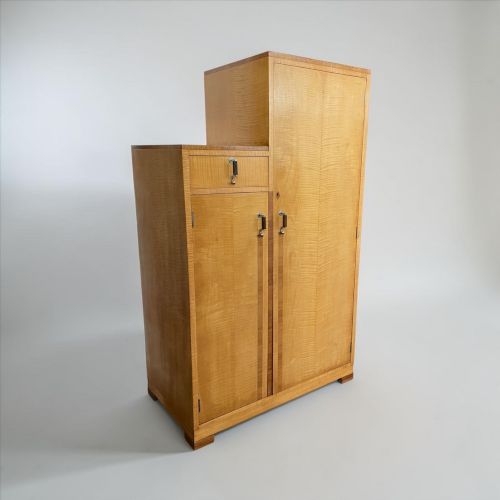
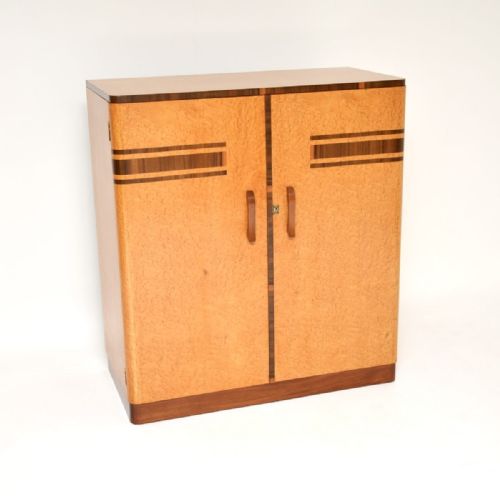
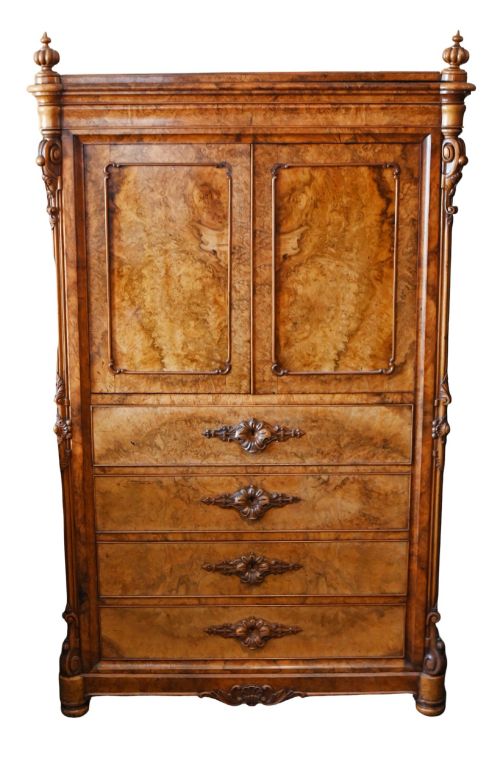
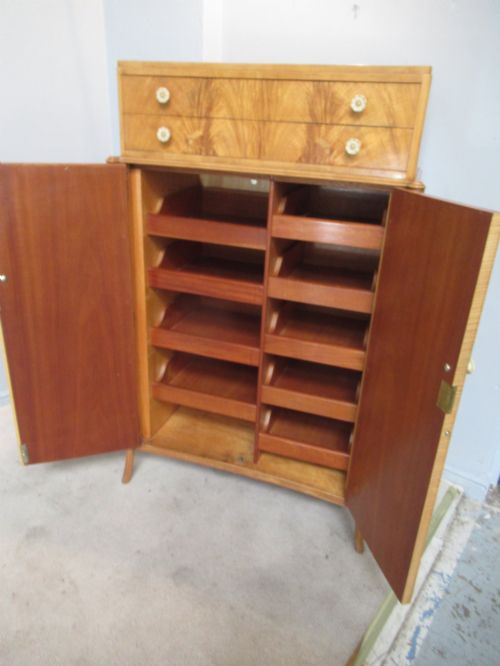
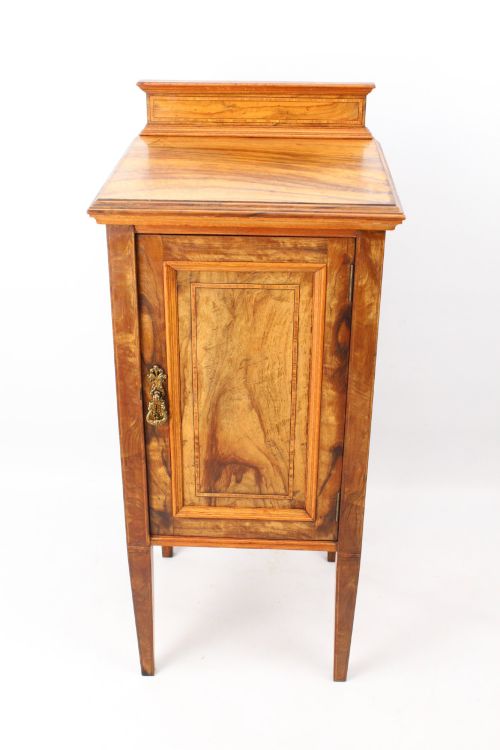
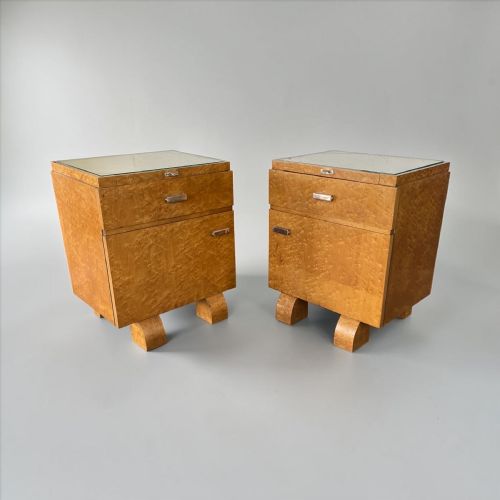
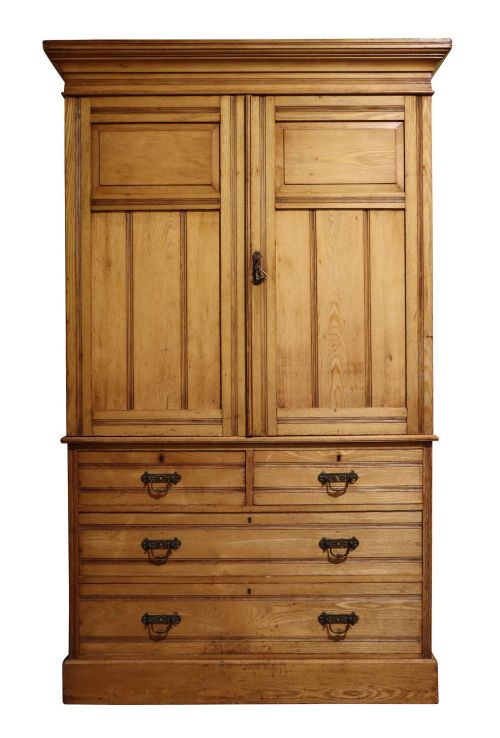
The pieces on this page appear in various functional forms such as bookcases, sideboards, tallboys, and writing desks. Among these, bedside cabinets, display pieces, and wardrobes constructed with birds-eye maple or inlaid mahogany form a significant portion of the selection.
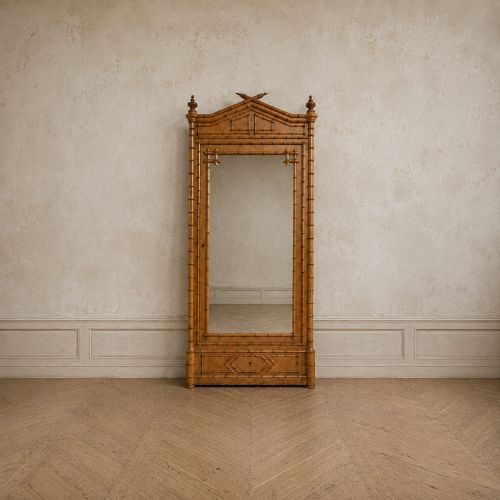
Origins stretch from English workshops to French ateliers, incorporating styles such as French Neoclassical, Louis Philippe, and Edwardian Art Nouveau alongside clean-lined Art Deco designs. Each era brings distinct proportions and decorative treatments to the maple timber.
Materials and Construction
Cabinet makers utilised birds-eye maple, standard maple, and satinwood, frequently pairing blonde veneers with darker framing woods like walnut and mahogany. Glass panels, brass hardware, and marble tops also appear across the listings to complete the construction.
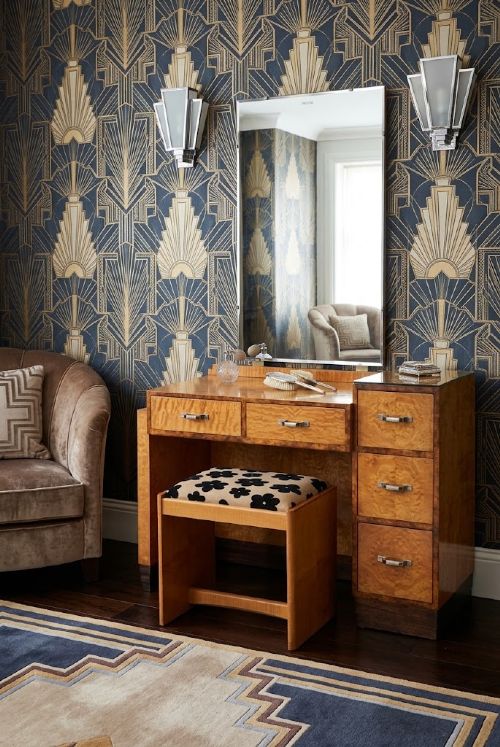
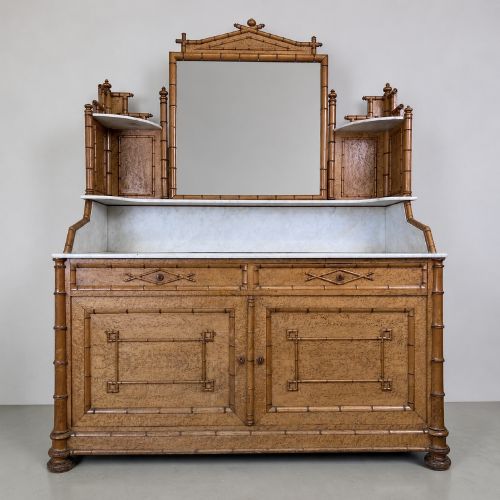
Veneering techniques allowed craftsmen to showcase the characteristic speckled grain of birds-eye maple across large flat surfaces such as wardrobe doors and cocktail cabinet fronts. Marquetry inlay, faux-bamboo turning, and black lacquer detailing provide additional surface texture.
Antique Maple Cabinet Retail Price Guide 2026
Typical asking prices for maple cabinet among the pieces listed under this phrase on Sellingantiques today, from the lower quarter to the upper quarter. They describe what is for sale here now, not the wider market.
Listings feature woods such as birds-eye maple, satinwood, mahogany, walnut, and rosewood, spanning Victorian, Edwardian, and Art Deco periods.
Design and Execution
Quality rests in the selection of the maple veneer and the precision of the underlying cabinet work, particularly how the figured grain is matched across doors and drawers. Finer pieces demonstrate careful timber selection that enhances the natural optical depth of the wood.
The integration of secondary materials, such as original glass tops, brass mounts, and lead light panels, separates standard production from exceptional examples. Furthermore, unified suites, such as matching pairs of bedside cabinets or complete office sets, reflect higher design ambition.
Maple And Co·Maurice Adams·H L Epstein·Mercier Freres
The Antique Maple Cabinet Glossary
- Birds Eye Maple
- A figure in maple wood where the arrangement of the fibres resembles small eyes or dots. This pattern occurs naturally and is highly prized for decorative veneer work.
- Compactum Wardrobe
- A fitted wardrobe designed to hold multiple types of clothing with internal drawers, shelves, and hanging space. These multi-purpose pieces maximise storage efficiency.
- Secretaire
- A piece of furniture containing a writing drawer or fold-down desk flap concealing small compartments and pigeonholes. It combines storage with a compact writing surface.
- Tallboy
- A tall chest of drawers, often featuring a cupboard section at the top. This vertical format provides substantial storage capacity while occupying a small floor footprint.
- Marquetry
- The art of applying pieces of veneer to a structure to form decorative patterns and pictures. Craftsmen cut contrasting woods to create intricate surface designs.
Antique Maple Cabinet: Frequently Asked Questions
What periods do these cabinets come from?
The selection covers pieces manufactured across the nineteenth and twentieth centuries. Key eras represented include the Victorian period, Edwardian era, and the 1930s Art Deco movement.
Craftsmanship and design details shift across these decades, moving from ornate nineteenth-century marquetry to the sleek, blonde finishes characteristic of the 1930s.
Where were these cabinets made?
Origin points include both English workshops and French cabinet makers. Pieces range from London-made retail house items to French provincial designs.
Regional styles vary from English Edwardian inlaid display cabinets to French Louis Philippe secretaire desks and faux-bamboo washstands.
How should I care for a maple cabinet?
Preserve the finish by keeping the timber away from direct sunlight and consistent heat sources, which can dry out antique veneer. Dust gently with a dry or slightly damp cloth.
Avoid chemical polishes that can build up on nineteenth and twentieth-century surfaces and dull the natural lustre of the maple grain.