





Antique Mantle Ornaments
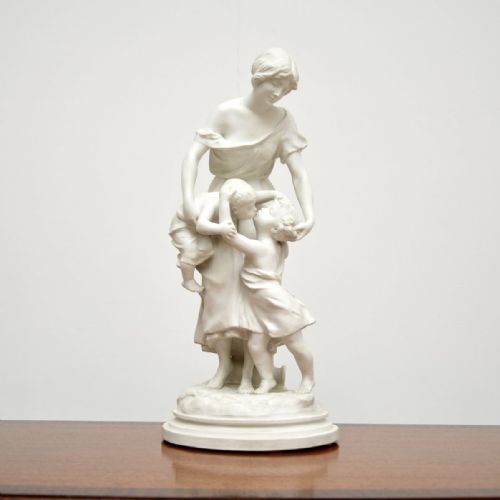
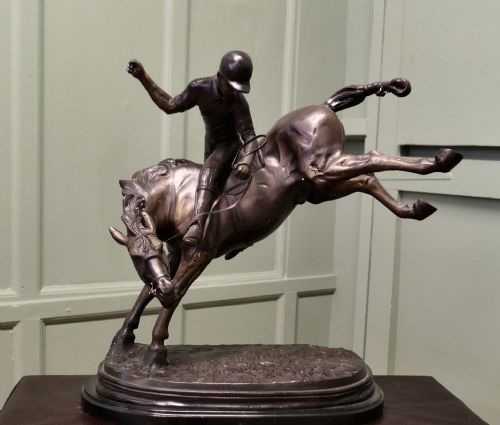
These antique mantle ornaments bring character and period charm to a room, ranging from Staffordshire pottery figures to French bronze sculptures.
Antique Mantle Ornaments
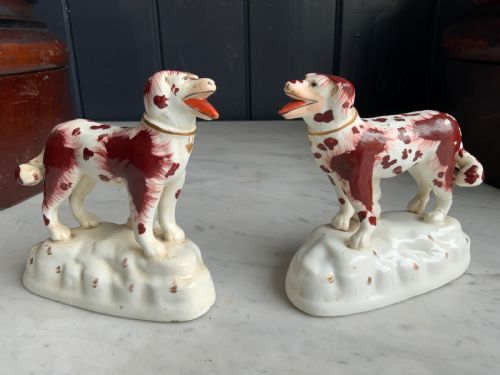
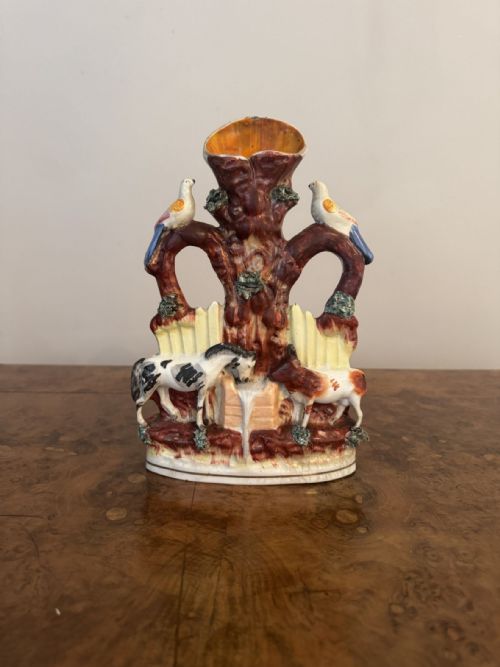
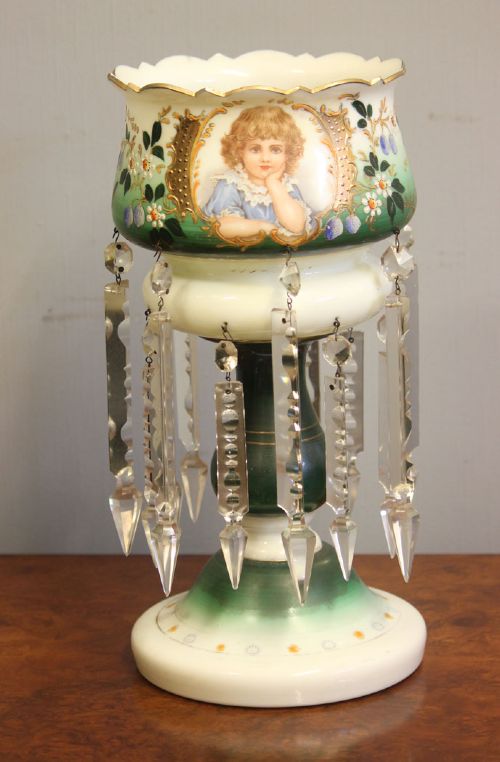
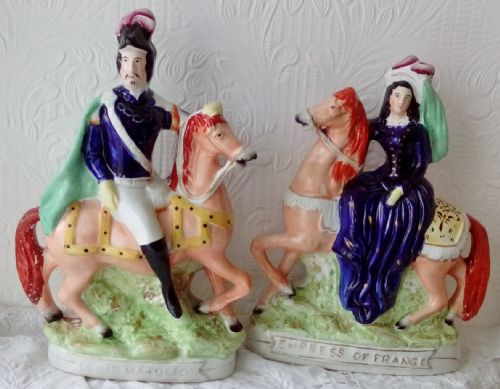
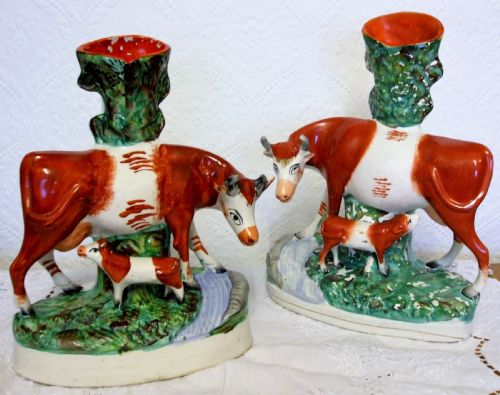
Antique mantle ornaments encompass a diverse variety of decorative objects traditionally placed on fireplace shelves, including Staffordshire pottery dogs, spill vases, and figurative groups. These pieces span the nineteenth century and the early twentieth century, incorporating Victorian and Art Deco design sensibilities.
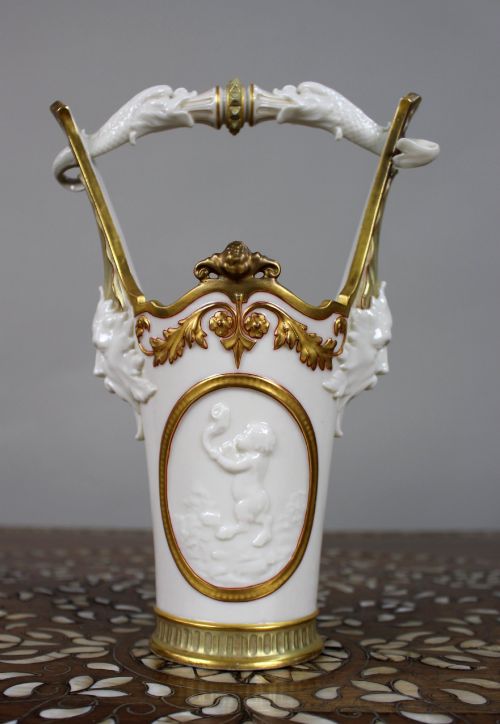
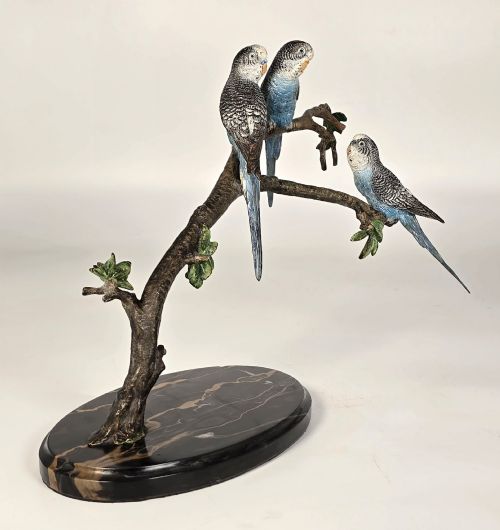
Buyers will encounter earthenware pottery figures alongside porcelain candlesticks, glass mantel lustres, and bronze animal sculptures. Many items survive in pairs, designed originally to balance the composition of a fireplace mantelpiece.
How They Were Made
Maker's workshops utilised earthenware, hard paste porcelain, bisque, and glass, frequently combining them with hand-painted enamels, gilding, and gold leaf. Bronze and spelter figures relied on metal casting techniques, sometimes paired with marble or alabaster bases.
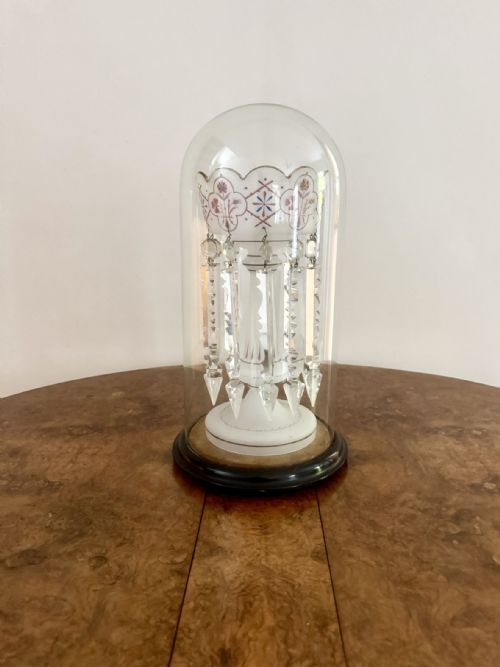
Glass mantle lustres integrated cut-glass bowls with hanging crystal prisms, while ceramic pieces employed moulded clay bodies finished with opaque glazes or pate sur pate decoration.
Antique Mantle Ornaments Retail Price Guide 2026
Typical asking prices for mantle ornaments among the pieces listed under this phrase on Sellingantiques today, from the lower quarter to the upper quarter. They describe what is for sale here now, not the wider market.
The listings span periods from the eighteenth century through the Art Deco era of the 1930s, featuring earthenware, porcelain, bronze, and glass.
What Varies in Quality
The sophistication of the modelling defines the upper tier of the range, distinguishing mass-produced wares from finely finished works produced by notable factories and studios.
Royal Worcester·Derby·Minton·Sevres·Etling
The Antique Mantle Ornaments Glossary
- Mantel Lustre
- A decorative glass or porcelain vase hung with cut crystal pendants designed to reflect candlelight.
- Spill Vases
- Hollow ceramic figures or cylindrical vessels intended to hold thin wood spills used for lighting pipes and fires.
- Bisque Porcelain
- Unglazed white porcelain fired to a matte texture, prized for rendering sculptural detail smoothly.
- Flatback
- A Staffordshire pottery figure moulded with a flat, undecorated reverse side intended to sit flush against a wall.
- Pate Sur Pate
- A ceramic technique where liquid white clay is painted in layers onto a darker body to create a low relief cameo effect.
Antique Mantle Ornaments: Frequently Asked Questions
What are mantel lustres used for?
Mantel lustres served as decorative fireplace ornaments that caught and reflected the flickering light of candles.
Their hanging crystal prisms added visual sparkle to nineteenth-century rooms even when unlit.
How do I identify flatback figures?
Flatback figures feature a plain, unglazed, or minimally painted reverse side designed to sit directly against a wall.
This construction method saved material and weight for Staffordshire potters making ornaments intended for narrow fireplace shelves.
Were Staffordshire dogs made as pairs?
Staffordshire pottery spaniels and greyhounds were almost universally produced as matching pairs to sit at either end of a mantelpiece.
Each dog faced inward toward the centre of the fireplace grouping.
What is the difference between bronze and spelter?
Bronze is a durable alloy of copper and tin capable of capturing extremely fine sculptural detail and patination.
Spelter is a softer, zinc-based metal alloy utilised as an economical alternative during the Art Deco period.