



Antique Mantle Figures
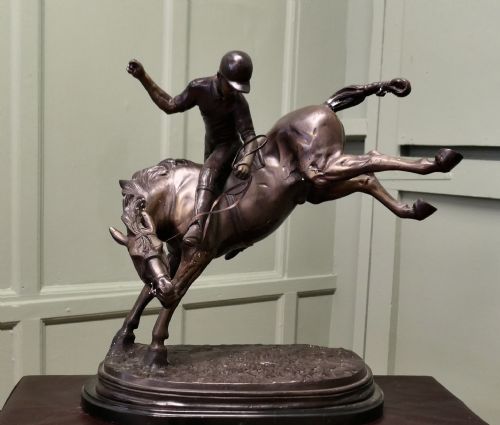
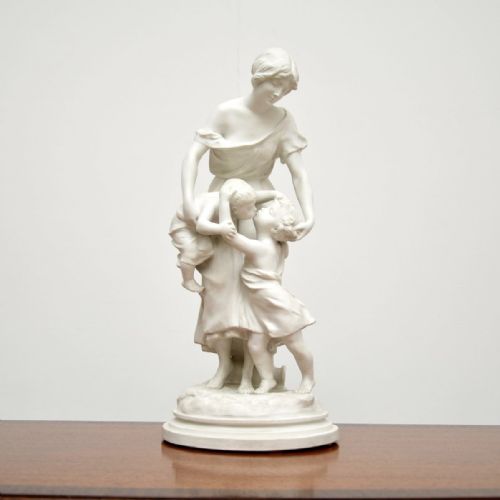
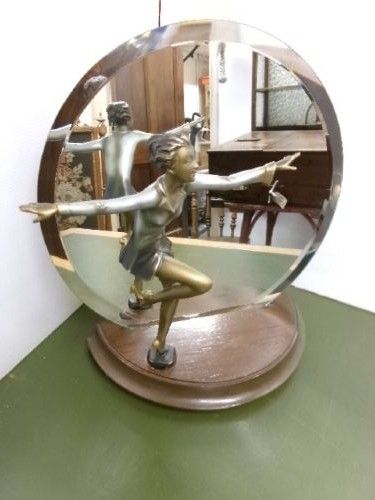
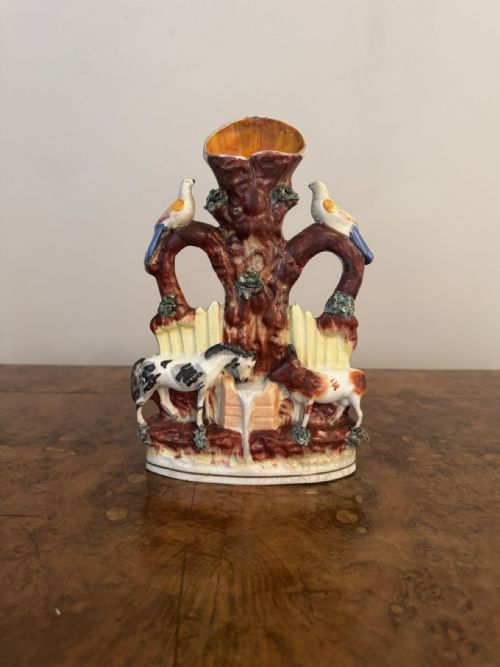
Antique mantle figures populate fireplaces with glazed pottery animals, bronze dancers and porcelain historical subjects.
Antique Mantle Figures
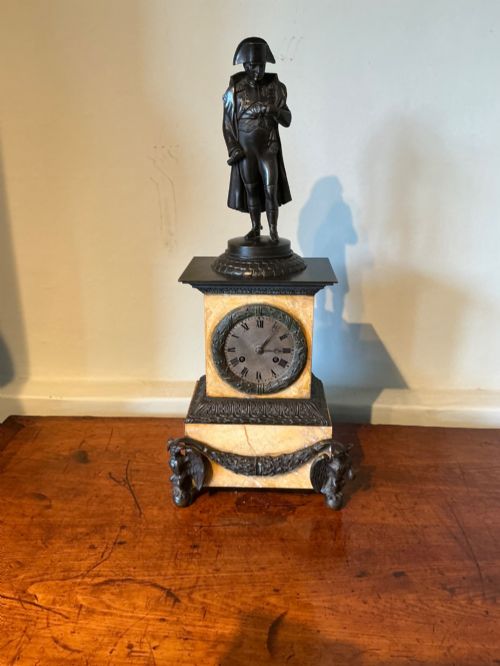
These pieces comprise ceramic sculptures, clock garnitures and decorative figures designed to sit upon fireplace ledges. The selection leans heavily towards Victorian Staffordshire pottery pairs, French bronze subjects and porcelain figurines from the nineteenth century.
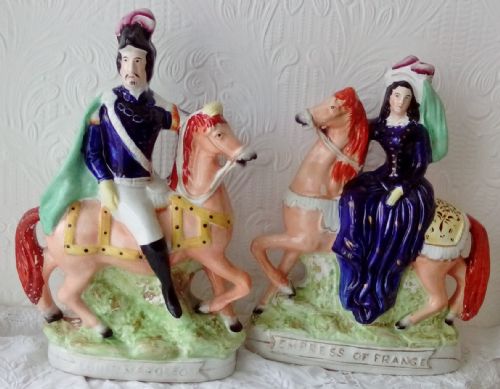
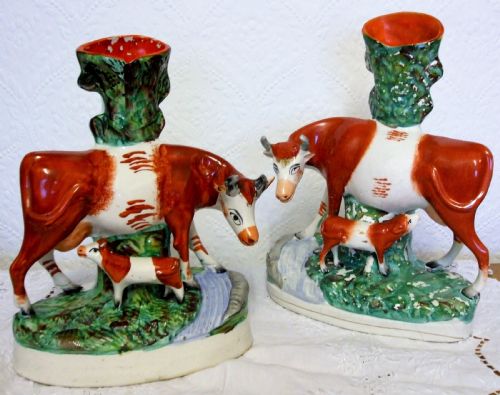
Buyers encounter earthenware animals, bisque porcelain groupings and patinated bronze dancers. English pottery spans flatback figures and spill vases depicting literary scenes or public figures, whilst continental workshops supply gilt bronze and porcelain assemblages.
How they were made
Makers utilised ceramic materials including earthenware, terracotta and hard-paste porcelain, shaping them through moulding and hand-finishing before applying enamel colours and glazes. Staffordshire potters painted figures by hand under or over the glaze, resulting in varied surface textures across pairs and spill vases.
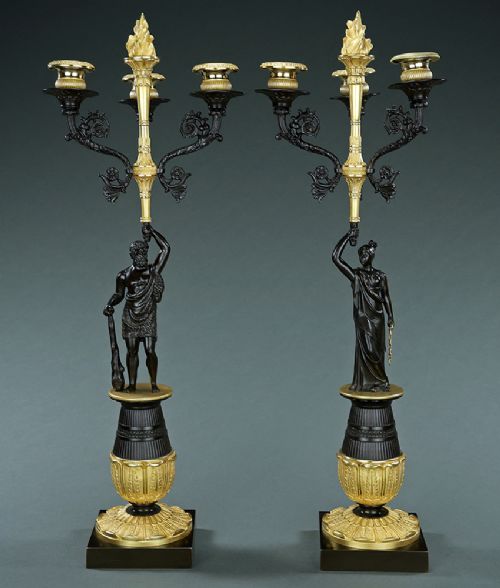
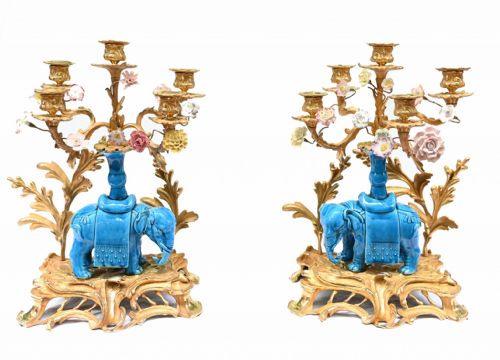
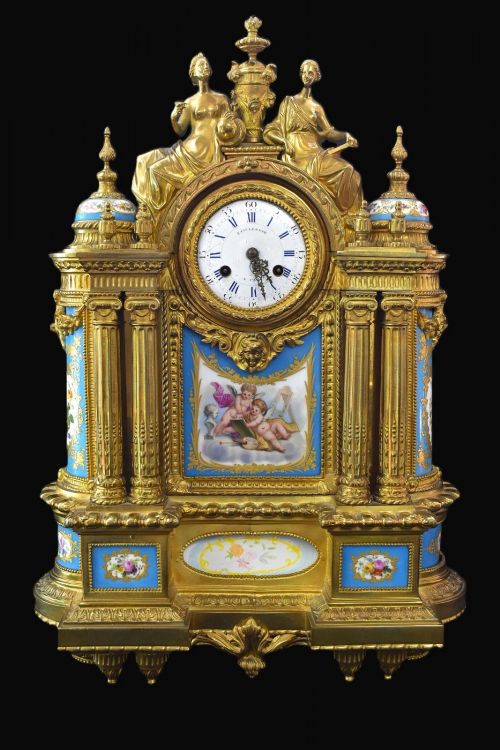
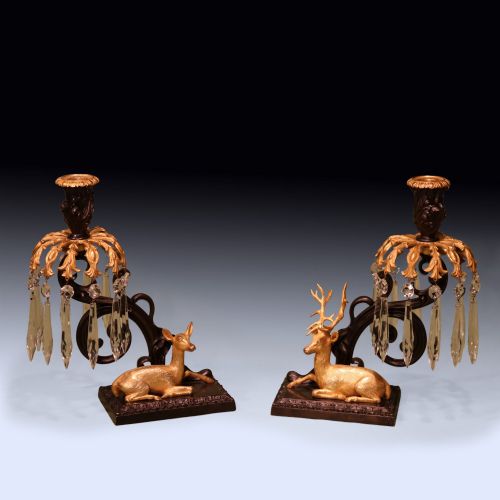
Metal pieces combine bronze, brass and spelter, often cast with ormolu or silver plating and mounted onto marble bases. Clock housings and candelabras incorporate carved stone and gilt bronze components requiring specialist foundry casting and chiselling.
Styles represented include Victorian, Art Deco, French Empire, Neoclassical and Rococo Revival.
What varies in quality
Original painted decoration and consistent surface gilding dictate the standing of ceramic and metal pieces. Uniform glaze coverage and intact enamels retain the visual integrity intended by the original workshop.
Luca Madrassi·Etienne Lenoir·Bloor Derby·Bernard Bloch·Ernst Whaliss·Ugo Cipriani
The Antique Mantle Figures Glossary
- Staffordshire figure
- Earthenware pottery figures and animals produced in the Staffordshire potteries during the nineteenth century. These pieces were moulded in sections, hand-painted and glazed for domestic mantelpiece display.
- Bisque porcelain
- Unglazed white porcelain fired to a matte, stone-like finish. This material captures fine facial expressions and clothing details without the glossy sheen of traditional ceramic glazes.
- Ormolu
- Gilt bronze ornamentation applied to furniture, clocks and candelabras. The technique involves coating bronze objects in a mercury and gold amalgam before heating.
- Spelter
- A zinc alloy utilised as a less expensive alternative to bronze for decorative figures. It is frequently painted with bronze-toned finishes to simulate heavier metal castings.
- Spill vase
- A hollow ceramic vase incorporating an attached holder for wooden spills used to light fires. These practical mantel ornaments often depict animals or rustic figures.
Antique Mantle Figures: Frequently Asked Questions
How do I clean antique mantle figures?
Dust ceramic and bronze pieces gently with a soft, dry brush to prevent accumulation. Avoid water or chemical cleaners on painted earthenware surfaces to protect delicate enamels.
Metal components benefit from occasional light dusting without abrasive polishes that might remove original gilding or patination. Safe handling preserves the historic surface finishes.
Were these figures meant for display?
Mantel ornaments served as decorative statements in nineteenth-century domestic interiors. They occupied prominent positions above fireplaces alongside clocks and candelabras.
Pairs of figures were balanced symmetrically on either side of a central clock or mirror. This arrangement demonstrated household taste during the Victorian era.
How are pottery figures dated?
Stylistic clues such as clothing fashions, subject matter and potting techniques indicate the period of manufacture. Victorian Staffordshire pieces often reference contemporary political events or popular literature.
Base markings, glaze characteristics and manufacturing methods help narrow the production era. Comparing standard models with documented examples clarifies the timeline.
What is a flatback figure?
Staffordshire flatback figures feature unglazed or simply painted flat rears because they stood directly against a wall. This manufacturing method saved ceramic material and production time.
Frontal detailing remained the primary focus for makers designing ornaments specifically for narrow mantel ledges. These pieces relied on strong frontal silhouettes.