
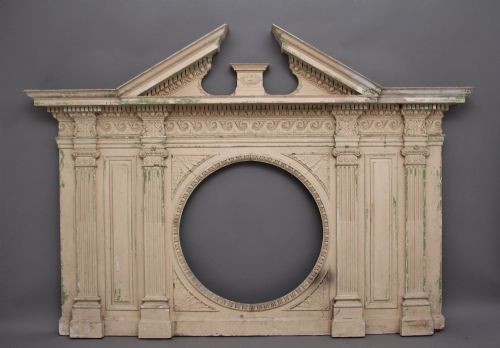
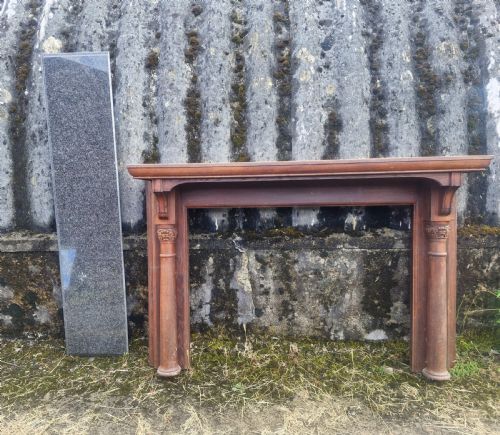
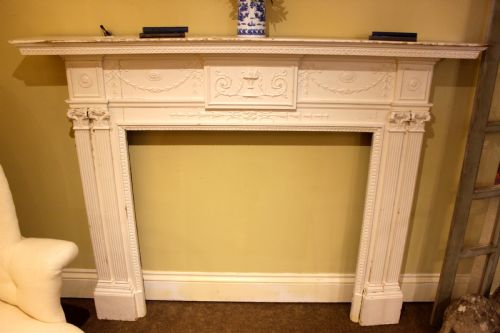
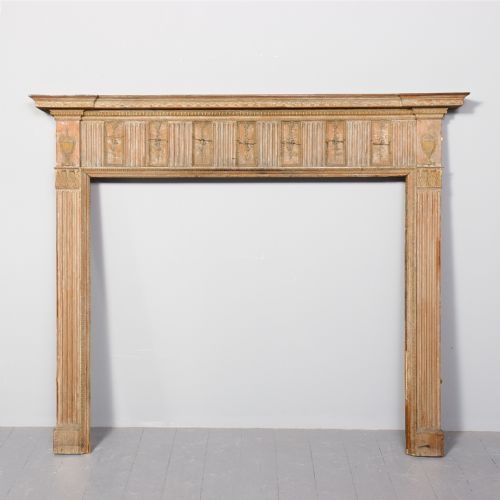


Antique Mantelpiece Surround
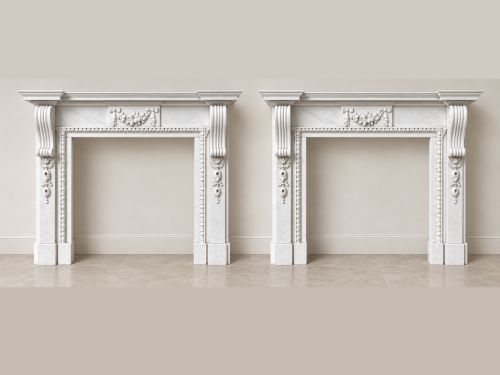
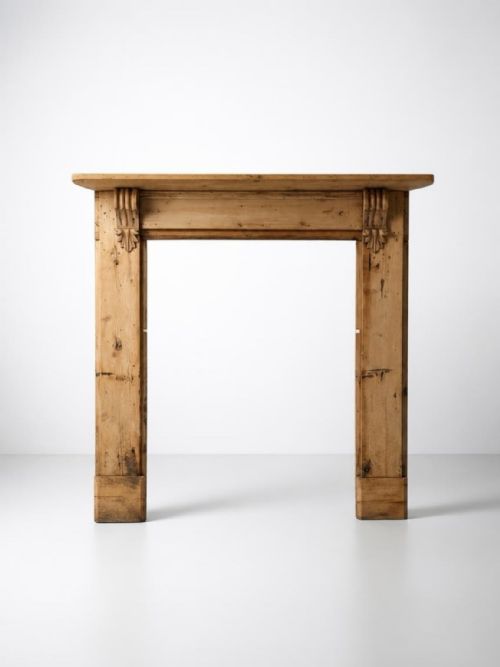
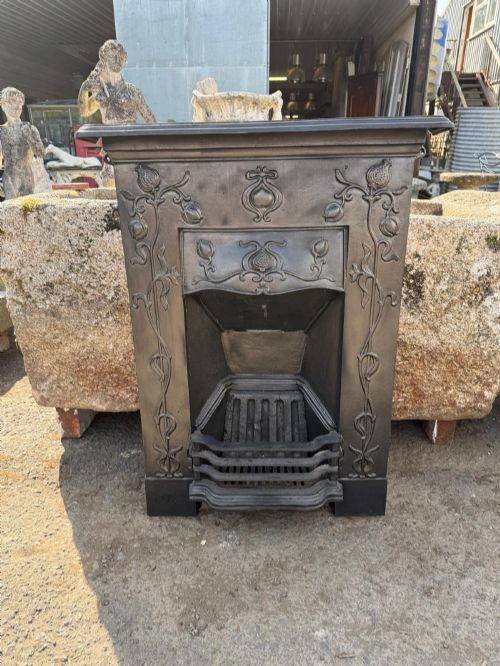
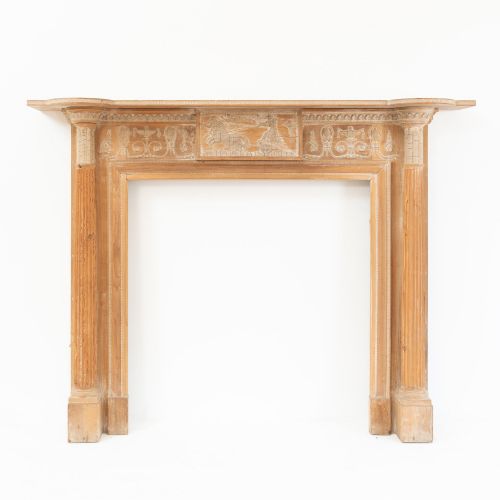
These antique mantelpiece surround options frame a hearth with character, offering period materials like carved pine, marble and cast iron to anchor a room.
Antique Mantelpiece Surround
An antique mantelpiece surround provides the architectural framing for a fireplace, defining the focal point of a room with period style. When you search for this phrase, you meet diverse forms ranging from simple hearth borders to grand chimney pieces.
The selections span centuries of design, encompassing Georgian, Victorian, Edwardian and Art Deco periods. Pieces take the form of fire surrounds, combination fireplaces and overmantel mirrors.
Origins stretch from regional workshops to classical interpretations. You encounter pine, marble, slate and oak built to serve both functional heating roles and decorative interior display.
Distinctions in Quality and Execution
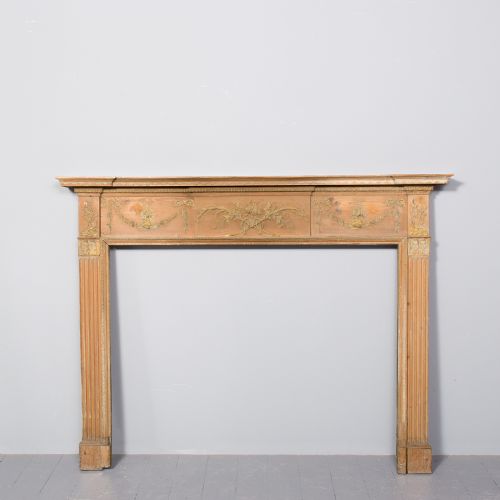
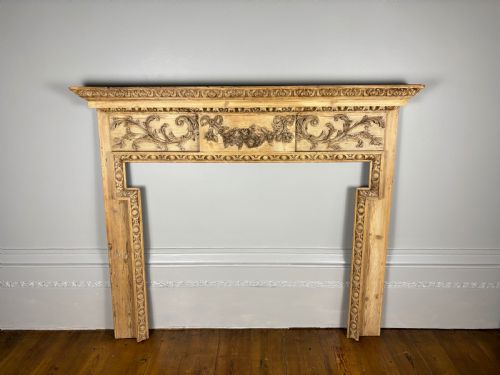
The depth and crispness of the hand-carved gesso or timber ornament dictate the aesthetic standing of a piece. Skilled hands produced undercut foliage and sharp architectural moulding that lesser examples lack.
Material selection divides standard utilitarian surrounds from exceptional works. Fine statuary marble, figured mahogany and uniform pine without knots represent superior input from the outset.
Proportion and architectural balance govern the success of a design. A well-executed surround maintains harmonious scale between the mantel shelf, jambs and opening.
Listings feature pine, oak, mahogany, elm, white marble, Welsh slate, granite and cast iron across periods from the eighteenth century to the art deco era.
Sir Edwin Lutyens
The Antique Mantelpiece Surround Glossary
- Mantelpiece surround
- The decorative framing comprising a shelf, two jambs and a lintel placed around a fireplace opening. It defines the architectural boundary of the hearth.
- Gesso
- A plaster-like material applied to wood and carved or moulded into relief decoration. It provides a smooth surface for subsequent painting or gilding.
- Overmantel
- A mirror or decorative panel designed to sit directly above the mantel shelf. It visually extends the height of the fireplace focal point.
- Jamb
- The vertical side post of a fireplace surround supporting the mantel shelf. Jambs often feature fluting, corbels or carved columns.
- Combination fireplace
- A single integrated unit incorporating the grate, fireback and surround cast together. These units became popular during the Victorian era for smaller rooms.
Antique Mantelpiece Surround: Frequently Asked Questions
How do I measure for a surround?
Measure the height and width of your existing fireplace opening, ensuring the internal dimensions of the surround clear the firebox safely. Account for hearth depth and projection into the room.
Consider the proportions of the surrounding wall space and ceiling height. A large chimney piece requires substantial clearance to sit comfortably in the room.
Are marble surrounds difficult to maintain?
White marble and coloured varieties require gentle cleaning with pH-neutral soap and warm water to protect the polished surface. Avoid acidic cleaners that etch the stone.
Routine dusting preserves the finish of antique marble. Professional sealing can help protect porous stones from soot and smoke stains over time.
Can I install an antique surround with a gas fire?
Many antique surrounds accommodate modern gas or electric fire inserts, provided clearance regulations and heat-resistant insulation are met. Consult a qualified installer regarding safety distances.
Timber surrounds need adequate clearance from heat sources to prevent drying and cracking. Stone and cast iron options generally offer greater tolerance to high temperatures.
How do I date a wooden mantelpiece?
Examine the timber species, tool marks and construction methods used in the joinery. Georgian pieces often feature pine with detailed gesso, while Edwardian examples frequently utilise oak or pitch pine.
Stylistic motifs provide further chronological clues, such as neoclassical urns, Victorian foliate carving or geometric Art Deco lines. Look for signs of age in the fixings and back panels.