





Antique Mannequin Form
These antique mannequin form pieces bring authentic workshop character into a room, offering sculptural presence shaped by decades of practical use.
Antique Mannequin Form
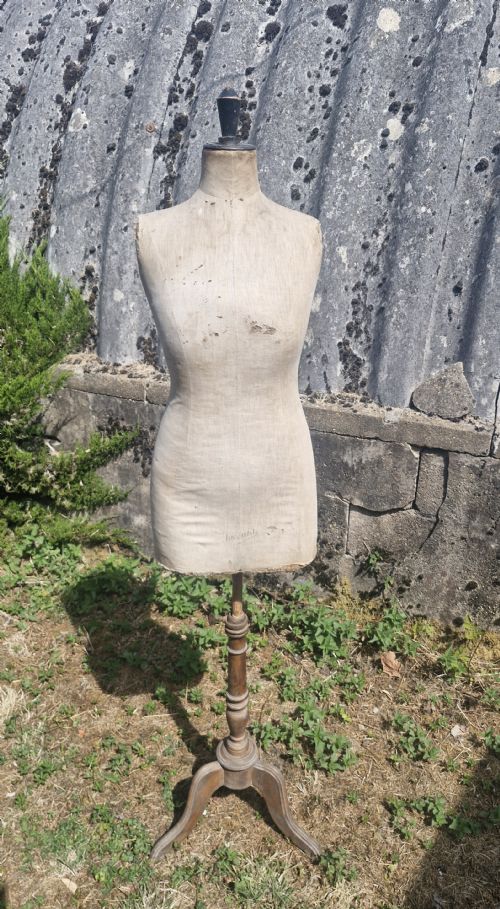
An antique mannequin form serves as a tangible link to historical tailoring and retail display, taking shapes such as full life-size torsos, dressmaker stands, milliner heads, and specialised glove moulds. When exploring an antique mannequin form, buyers encounter pieces originating from the nineteenth century through to the early twentieth century, spanning Victorian, Edwardian, and Art Deco eras.
Materials and construction
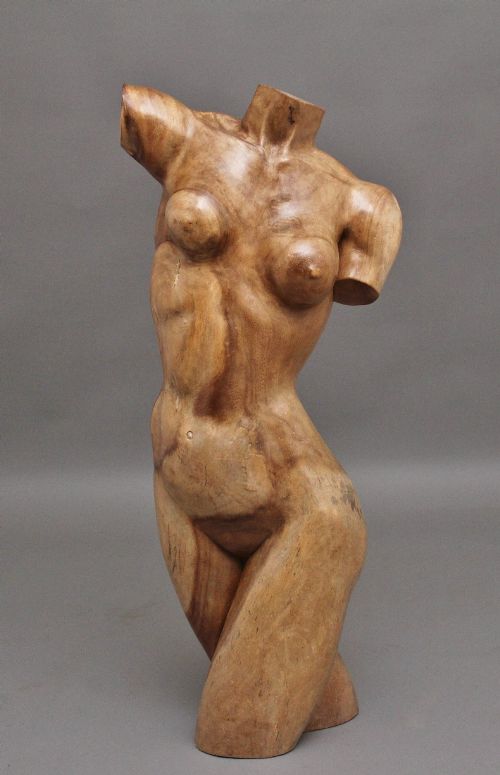
Makers constructed these pieces using tactile combinations of wood, carved wood, papier-mache, and metal elements, often covered in linen, canvas, or textile surfaces. Tailors and manufacturers shaped papier-mache and fabric over solid wooden foundations to create durable bodies capable of withstanding daily pinning and fitting.
Industrial examples incorporate shaped aluminium and cast metal stands, while decorative items display carved wooden finishes reflecting folk art and modernist sensibilities of the early twentieth century.
Antique Mannequin Form Retail Price Guide 2026
Typical asking prices for mannequin form among the pieces listed under this phrase on Sellingantiques today, from the lower quarter to the upper quarter. They describe what is for sale here now, not the wider market.
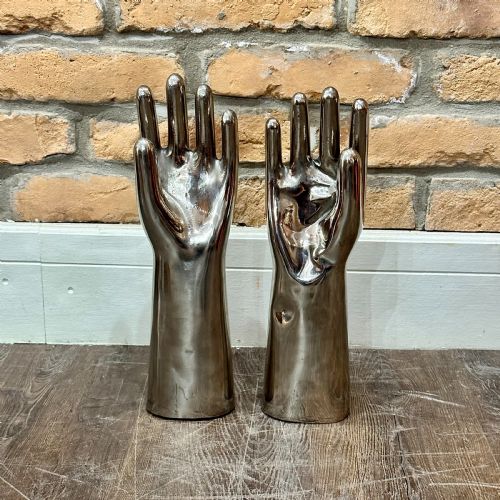
Aluminium glove moulds look rather like metallic hands frozen mid-wave, waiting patiently for a pair of vintage kid leather gloves.
Judging quality in a mannequin form
Quality in these pieces rests upon the integrity of the core materials, the expressiveness of the form, and the preservation of original fabric or painted surfaces. Finer examples display careful anatomical carving, robust internal papier-mache moulding, and authentic patination accumulated through genuine workshop use.
The distinction between ordinary utility items and superior decorative pieces lies in the balance of sculptural form, original textile coverings, and the retention of maker markings or period hardware.
Stockman of Paris
The Antique Mannequin Form Glossary
- Milliner's head
- A specialised form used for shaping and displaying hats, frequently carved from wood or moulded in papier-mache during the early twentieth century.
- Papier-mache
- A composite material made of paper pulp and binding agents, pressed over moulds to form lightweight yet rigid mannequin torsos.
- Dressmaker's dummy
- An adjustable or fixed torso form utilised for fitting garments during construction, often upholstered in linen or canvas.
- Glove mould
- A metal or wooden form shaped specifically for stretching and shaping gloves during manufacturing.
- Stockman
- A notable maker or brand associated with Parisian mannequin production, highly regarded for quality nineteenth and early twentieth century display forms.
Antique Mannequin Form: Frequently Asked Questions
How do I clean the fabric?
Surface dust should be removed gently using a soft brush or a low-suction vacuum attachment fitted with a mesh guard. Avoid using water or liquid cleaning agents on old linen and canvas to prevent water staining or weakening aged textiles.
For stubborn marks, consult a textile conservator rather than attempting chemical stain removal at home. Preserving the natural patina is integral to maintaining the character of an antique display piece.
Can I display heavy clothing on them?
Most pieces from the nineteenth and early twentieth centuries tolerate moderate garment weights, particularly those with solid wooden internal structures and robust metal stands. However, extremely heavy vintage coats can strain fragile papier-mache torsos and aged fabric coverings.
It is wise to assess the internal support and the condition of the shoulders before hanging heavy historical garments. For very heavy items, supporting the weight from an independent internal armature is recommended.
How do I date an old form?
Dating relies on examining the construction materials, base design, and any visible maker stamps or stencils. Pieces from the nineteenth century often feature heavier wooden turned stands and simpler stuffing methods, while 1920s and 1930s examples may incorporate aluminium or modernist styling.
Comparing the textile weave and the style of the torso shape against known periods helps narrow down the decade of manufacture. Industrial variants often display patent dates or manufacturer plates that assist precise dating.
Are these pieces adjustable?
Certain dressmaker dummies include mechanical screw mechanisms or internal threaded columns designed to adjust the torso height and girth. Many display forms, however, are fixed models created solely for retail presentation or specific tailoring tasks.
Checking the base and central column reveals whether the height can be altered. Forced adjustment on seized vintage mechanisms should be avoided to prevent damage to internal metal threads.