

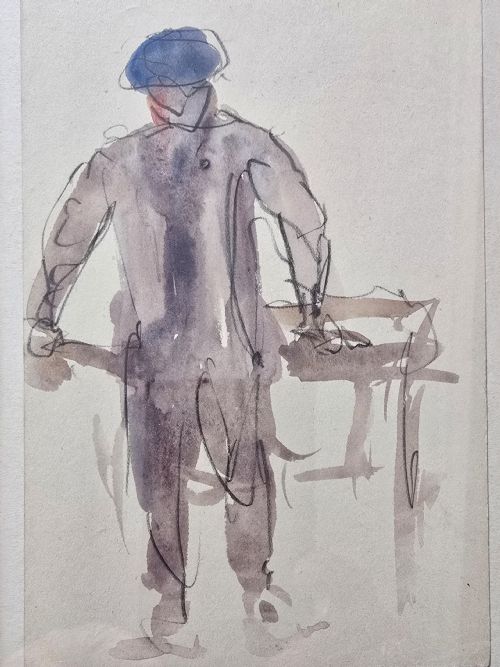


Antique Male Figure Painting
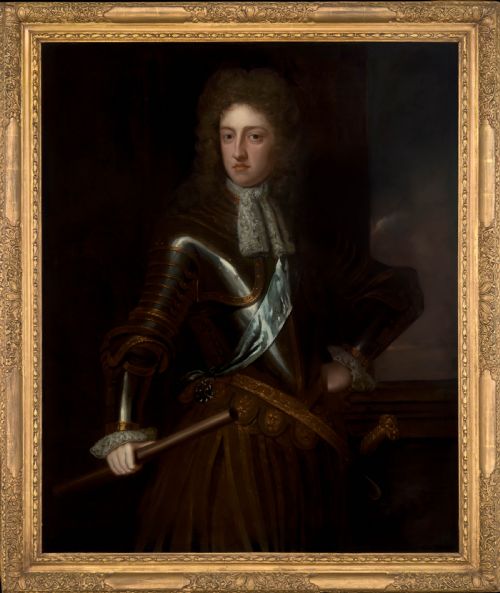
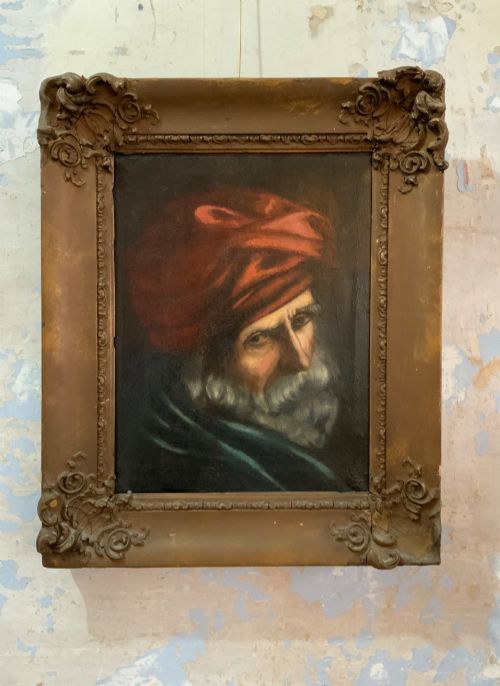
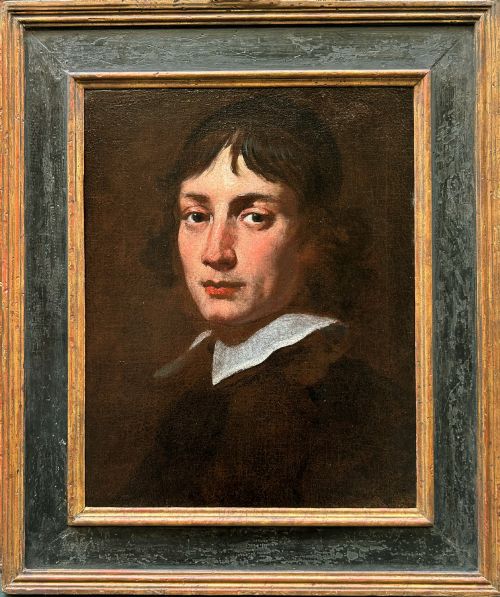
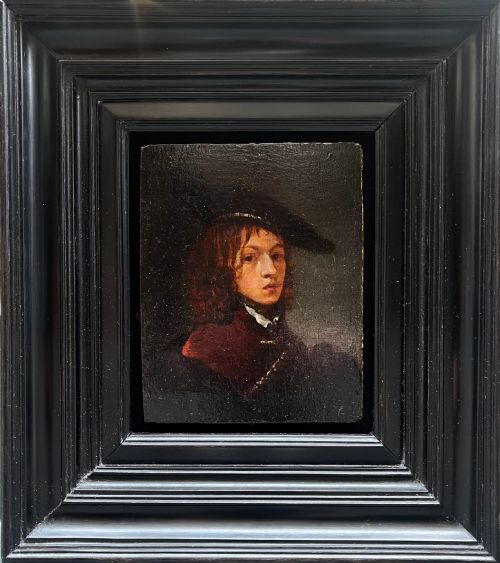
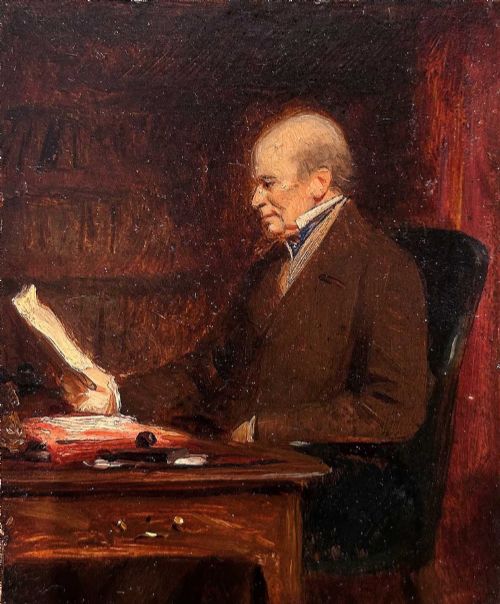
An antique male figure painting brings character and presence to a room, capturing sitters from seventeenth-century portraits to nineteenth-century genre scenes.
Antique Male Figure Painting
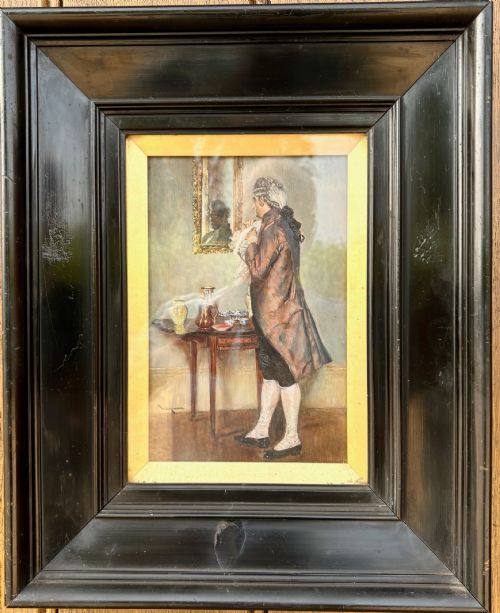
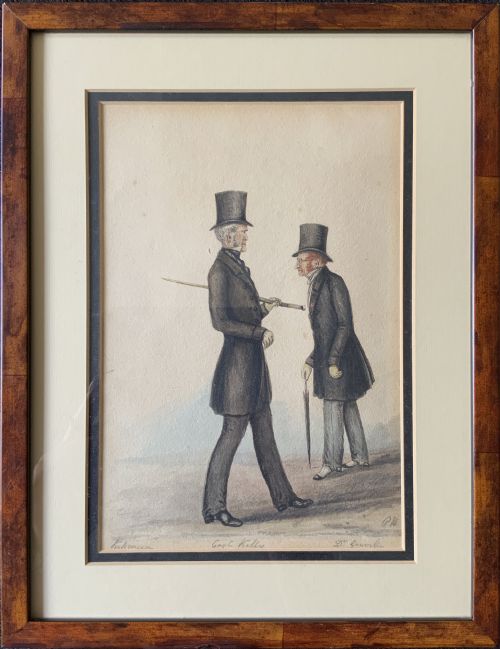
When you search for an antique male figure painting, you encounter oil on canvas works, wood panel paintings, and watercolours spanning several centuries. The selection ranges from formal aristocratic portraits of the seventeenth century to Victorian genre watercolours and twentieth-century studies.
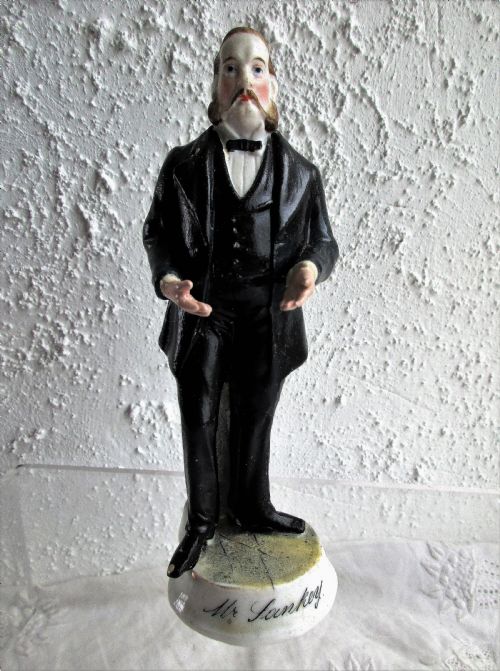
Most items you meet on this page lean towards British and European portraiture, including depictions of known historical figures, literary characters, and anonymous gentlemen. Alongside flat works, the record also includes related painted porcelain figures and carved wood pieces that share the human focus.
How they were made
Makers built these works primarily using oil paint on stretched canvas or prepared wood panels, applying pigments with brushes to build up depth and tone. Watercolours on paper appear frequently among the nineteenth-century examples, offering a lighter touch.
Framing forms an integral part of the medium, with many canvases housed in period giltwood or carved frames that complement the composition. Sculptural counterparts utilise plaster, porcelain, and carved wood to render the male form in three dimensions.
Several gentlemen depicted carry mathematical treatises or muskets, ensuring they look prepared for both intellectual debate and sudden skirmishes.
What varies in quality
Quality rests in the anatomical accuracy of the rendering, the liveliness of the brushwork, and the psychological depth captured in the sitter's expression. Masterful handling of light and shadow elevates a canvas from a mere record to a compelling work of art.
The sophistication of the original frame and the preservation of the pigment layers further distinguish finer examples from standard decorative works.
Sir Godfrey Kneller·Guillaume Courtois·Stephen Pearce·Ferdinand Victor Leon Roybet·Alexandre Louis Martin·Hans Holbein·Ramsay Richard Reinagle·Rudolph Lehmann
The Antique Male Figure Painting Glossary
- Oil on canvas
- Pigments bound in a drying oil applied to a woven fabric support stretched over a wooden frame. This medium allowed artists to achieve rich colours and subtle gradations of tone.
- Wood panel
- A flat wooden board used as a rigid support for paintings, common in earlier periods before canvas became dominant. Artists prepared the surface with a gesso ground before applying oil paint.
- Genre painting
- The pictorial representation of scenes from everyday life, depicting ordinary people in domestic or public settings. These works focus on narrative rather than formal portraiture.
- Giltwood
- Wood carved and coated with a thin layer of gold leaf or gold paint. It provides an ornate and reflective border for traditional paintings.
- Watercolour
- A paint consisting of colour pigments suspended in a water-soluble vehicle, typically applied to paper. It creates transparent washes that capture light effectively.
Antique Male Figure Painting: Frequently Asked Questions
How do I date an antique painting?
Dating relies on stylistic clues, clothing fashions of the sitter, and the materials used for the canvas or panel. Examining the stretcher frames and backing boards also offers helpful chronological markers.
Documentation or signatures inscribed on the front or reverse provide further confirmation of the period.
Where should I hang an oil painting?
Choose a wall away from direct sunlight and excessive heat sources like radiators to protect the canvas and pigments. Stable indoor humidity helps preserve both the paint layer and the wooden frame.
Ensure the wall can safely support the weight, particularly for larger framed works.
What is the difference between portraiture and genre painting?
Portraiture records the specific likeness of an identified individual, often commissioned to document status or lineage. Genre painting depicts anonymous figures engaged in daily activities or storytelling scenes.
Both categories appear across the available nineteenth-century works.