
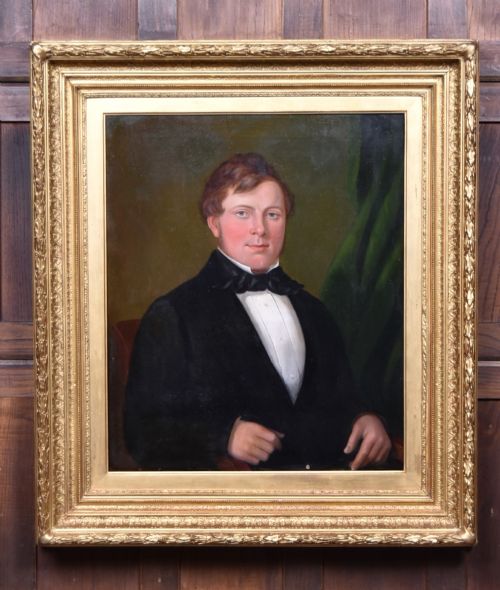
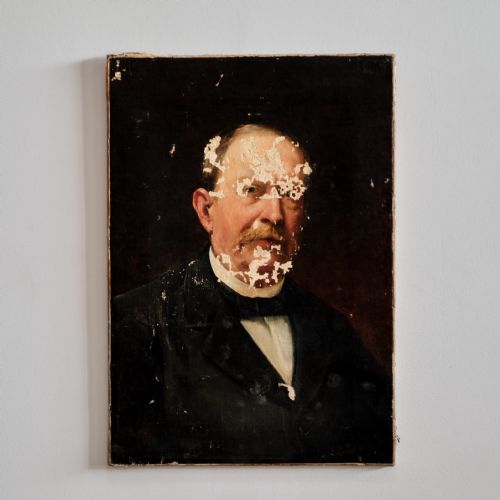
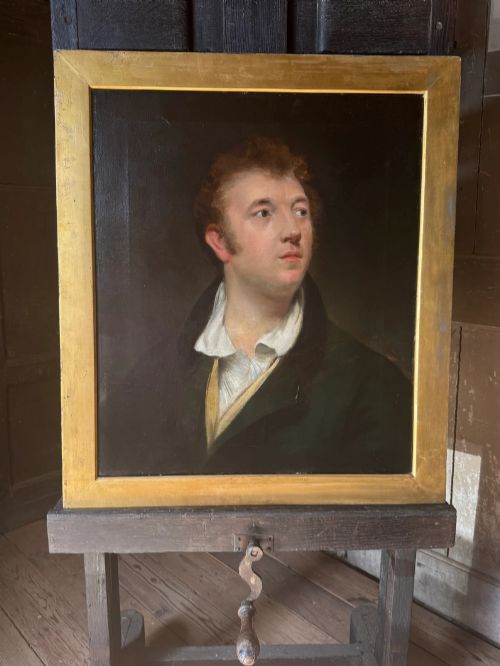
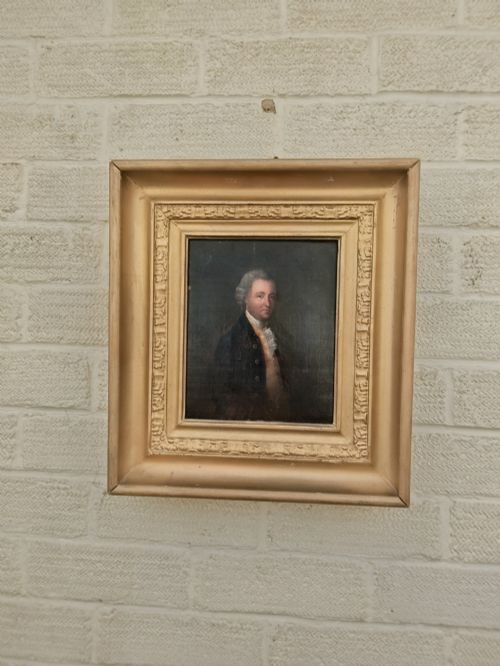
19th Century Gentleman Painting
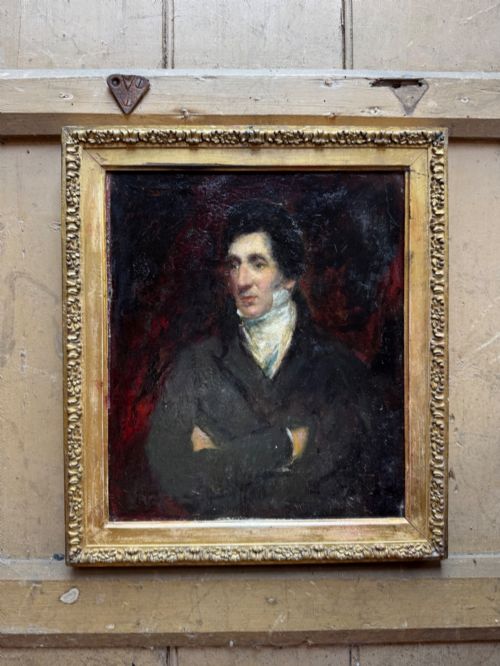
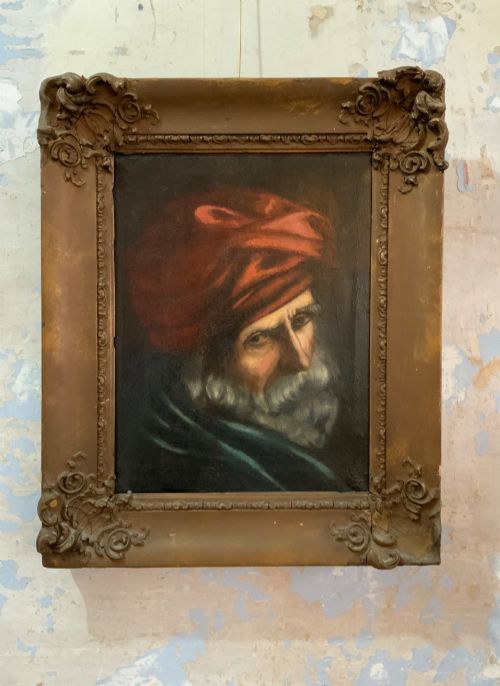
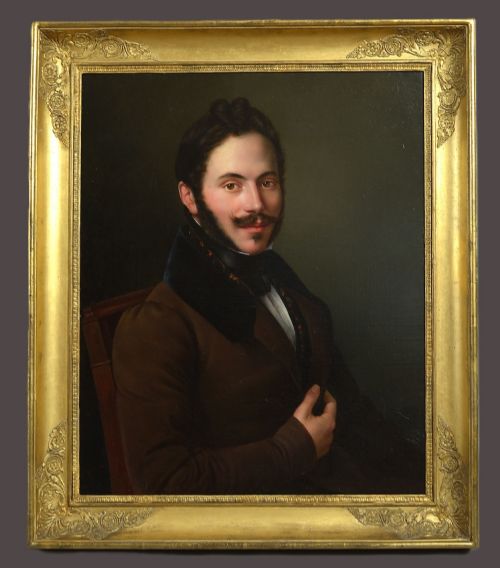
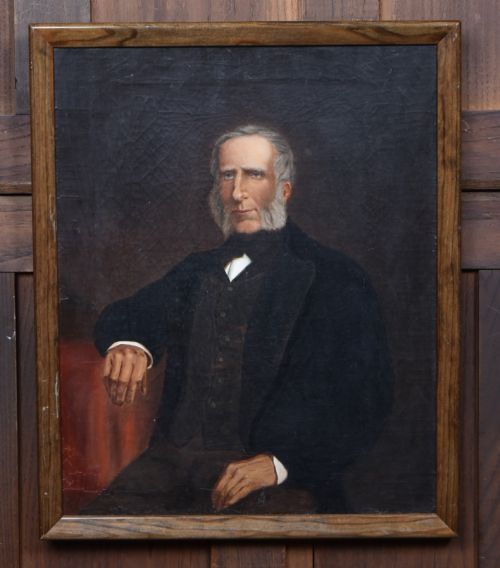
When you look for a 19th century gentleman painting, you find works depicting male figures from the Regency and Victorian periods.
19th Century Gentleman Painting
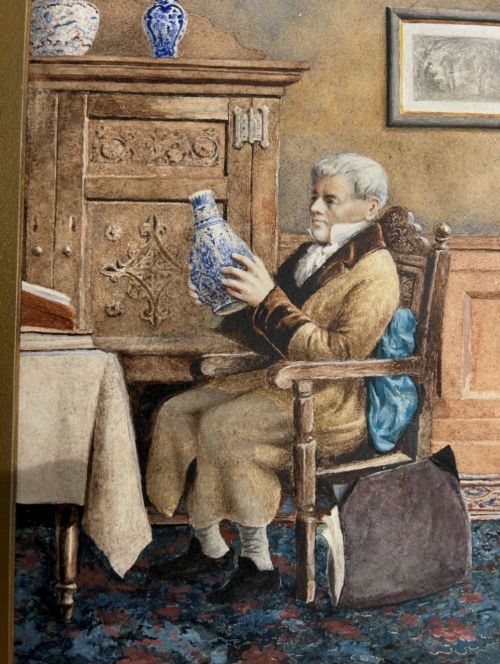
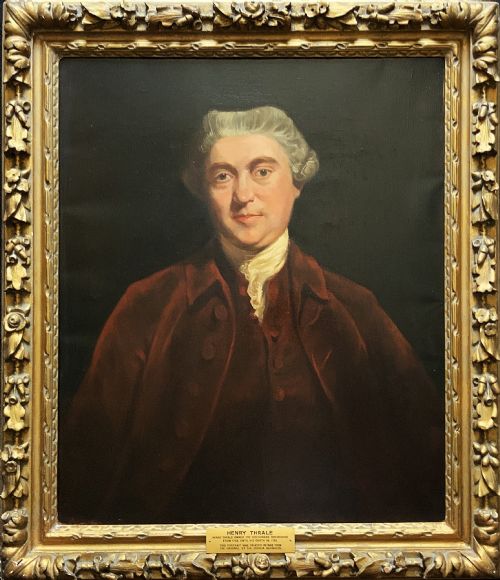
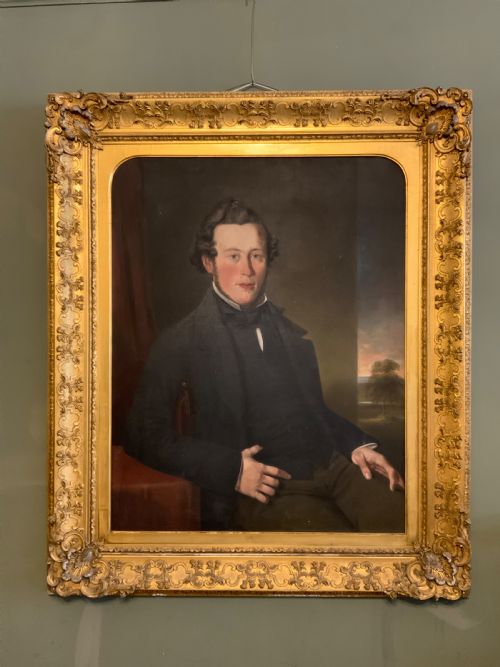
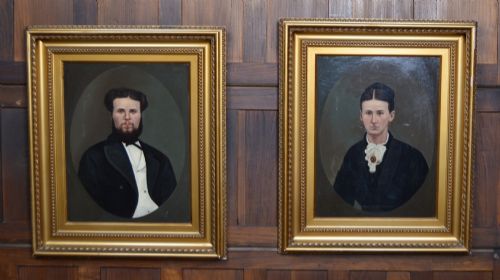
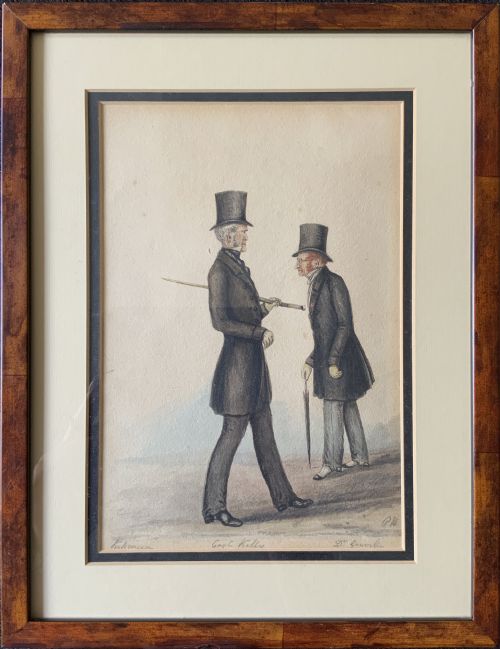
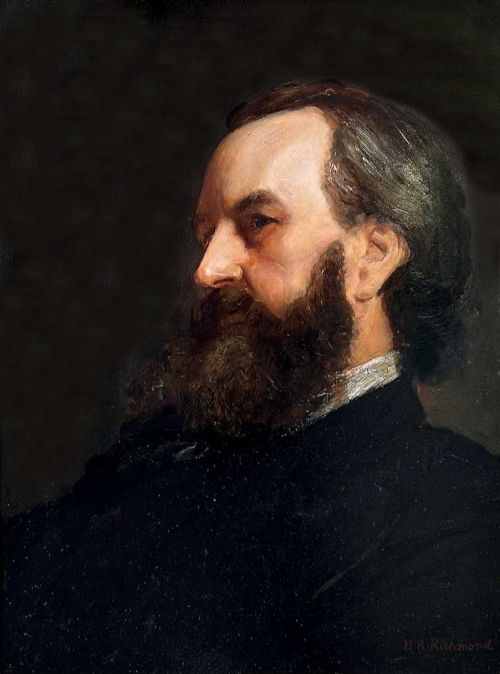
A 19th century gentleman painting captures male subjects from the Georgian, Regency, and Victorian eras. These works range from large oil portraits on canvas showing sitters with horses or in landscapes to intimate watercolour miniatures.
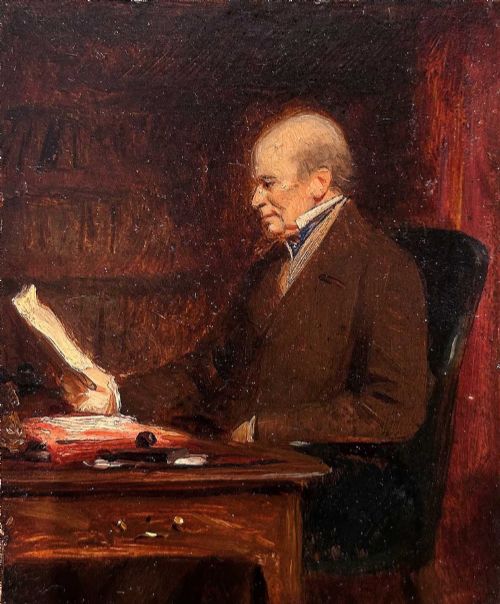
Many items recorded in archives and current listings originate from British and European schools. Subjects appear seated in armchairs, holding walking canes, or wearing specific historical dress.
Beyond standard oils on canvas, the category extends to include portrait miniatures on glass, paper, or copper. Some pieces depict specific figures such as military officers, noblemen, or legal professionals.
Materials and construction
Artists painted primarily with oil paint or watercolour applied to stretched canvas, wood panels, copper, or paper. Canvases are frequently housed in ornate giltwood frames.
Miniatures employ delicate supports like glass, ivory, or paper set within brooch mounts or birdseye maple frames. Certain works utilise wood panels or board as a base for the oil paint.
Current listings feature oil on canvas, watercolour, and wood panel, spanning periods from Regency to Victorian.
Evaluating craftsmanship
The condition of the canvas, panel, or paper impacts the integrity of the piece. Intricate framing, such as period giltwood surrounds, adds historical context to the artwork.
Henry Stacy Marks·Edouard Pingret·James Howe·Ferdinand Victor Leon Roybet·John Watkins Chapman
The 19th Century Gentleman Painting Glossary
- Oil on Canvas
- Pigment mixed with a drying oil binder applied to a woven fabric surface stretched across a wooden frame. This medium allowed artists to achieve rich colour depth and smooth tonal gradations.
- Portrait Miniature
- A small-scale painting designed for personal portability or intimate display. These objects often measure only a few inches across.
- Giltwood
- Wood carved and coated with a thin layer of gold leaf or metallic powder. Frames made this way provide structural support and decorative ornamentation.
- Regency
- The period in British history from 1811 to 1820, characterised by distinct artistic and architectural trends. Works from this era often display specific tailoring and neoclassical influences.
- Watercolour
- A paint consisting of colour pigments suspended in a water-soluble vehicle, typically applied to paper. This medium creates translucent layers and lighter washes.
19th Century Gentleman Painting: Frequently Asked Questions
What periods do these paintings cover?
The works span from the early 1800s through the Victorian era up to 1900. Styles shift from Georgian and Regency tailoring to later 19th-century realism and European schools.
Dates and attributions appear in titles based on the artist or the style of dress worn by the sitter.
How were portrait miniatures displayed?
Miniatures on paper, glass, or copper were often housed in compact settings like brooch mounts or specialised wooden frames. Some were designed to be carried or worn.
Artists painted these small works with fine brushes to capture intricate facial details on a reduced scale.
What subjects appear besides standard portraits?
Portraits frequently show sitters with horses, sporting guns, or books, while others depict historical genres and military figures. Certain pieces record lawyers, noblemen, or sitters in foreign lands.
Backgrounds often feature domestic interiors, distant church landscapes, or simple pastoral scenes.
How do I identify a Regency painting?
Regency pieces reflect the fashion and artistic standards of the early 19th century, typically featuring high-collared coats and cravats. Attributions often reference British or European schools active around 1800 to 1820.
Signatures or labels on the reverse of the canvas or panel sometimes provide further context on the artist.