


Antique Mahogany Wardrobe Drawer
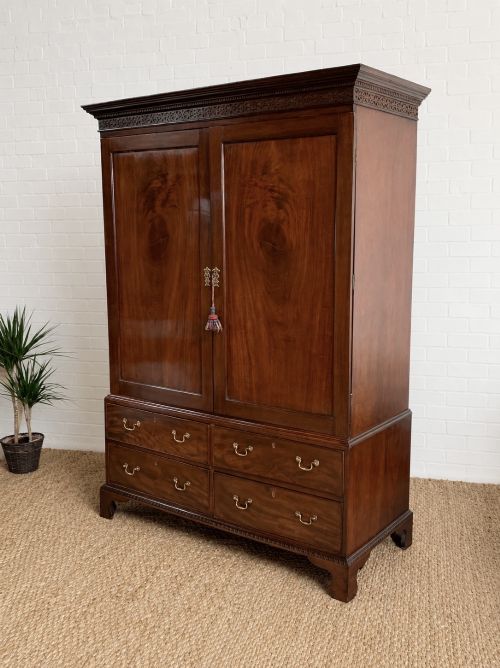
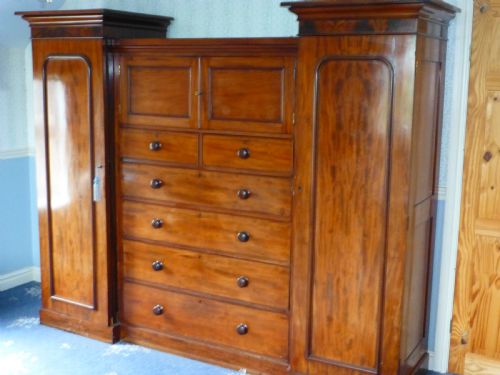
An antique mahogany wardrobe drawer provides concealed storage within larger linen presses, tallboys and combination wardrobes from Georgian, Victorian and Edwardian periods.
Antique Mahogany Wardrobe Drawer
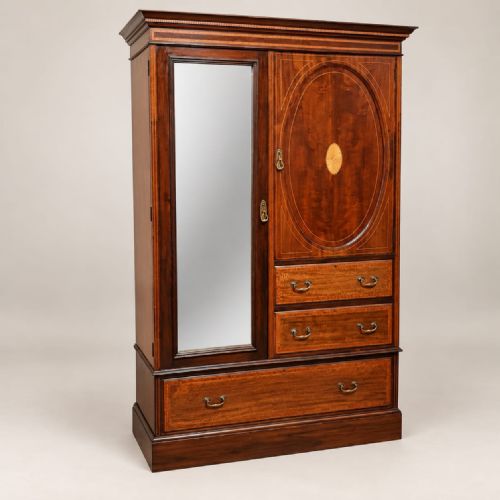
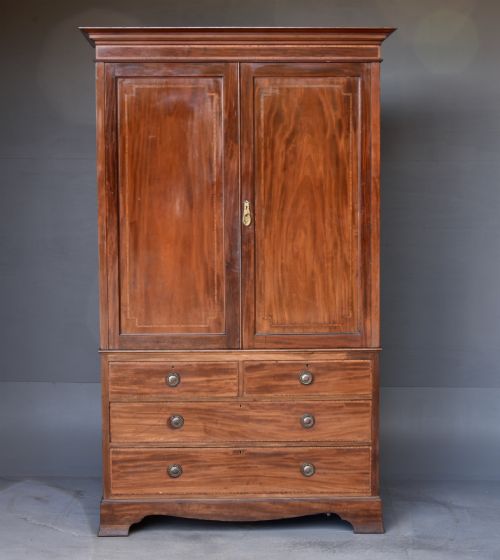
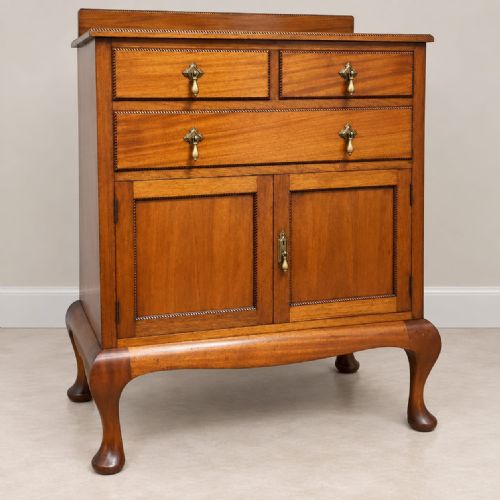
When you examine an antique mahogany wardrobe drawer, you are looking at an internal or base compartment belonging to larger case furniture such as linen presses, tallboys, compactums and gentleman's wardrobes. These storage components appear across Georgian, Victorian and Edwardian eras, built to house linens, garments and personal items securely.
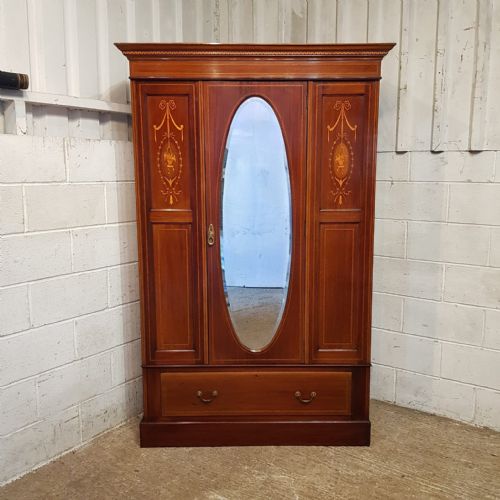
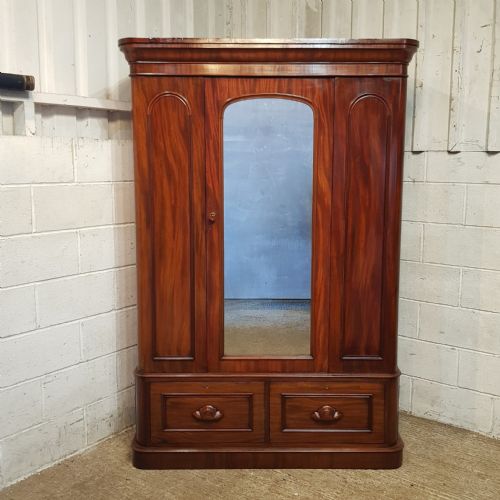
The version you are most likely to meet on this page is integrated into a multi-drawer base or fitted beneath large panelled doors, constructed primarily from solid mahogany or mahogany veneers over secondary timbers like pine. Many examples emerge from the 19th Century and the Edwardian period, ranging from simple low linen press bases to elaborate triple wardrobe configurations.
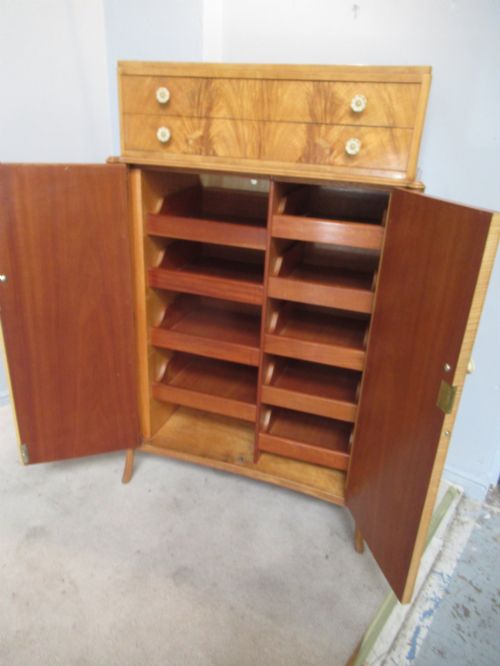
Makers integrated these compartments seamlessly into the architecture of large bedroom suites, occasionally concealing smaller storage areas behind secret drawer fronts or false panels. Their forms reflect changing domestic needs, shifting from the deep sliding trays of 18th Century press cupboards to the hanging space and compartmentalised drawer combinations of later compactums.
How they were made
Cabinet makers constructed these storage spaces using solid mahogany, Cuban mahogany and flame mahogany veneer applied to sturdy carcases of pine or secondary woods. Surfaces frequently display rich grain patterns, sometimes enhanced with satinwood inlay or marquetry details.
Functional hardware such as brass handles, pulls and glass mirrors complete the assembly, alongside hand-cut dovetail joints securing the internal boxes. Structural integrity relies on traditional joinery techniques developed across the 18th, 19th and early 20th centuries.
Several Edwardian wardrobes arrived equipped with hidden secret drawers designed for stashing midnight snacks or valuable trinkets.
What varies in quality
The standard of timber selection and veneer matching defines the visual impact of the piece, with flame mahogany and Cuban varieties representing superior grades of material. Cabinet makers who utilised dense, highly figured grains achieved a depth of colour and finish that lesser pieces lack.
maples & co·Gillows·Maple and Co
The Antique Mahogany Wardrobe Drawer Glossary
- Compactum
- A multi-functional wardrobe or cabinet combining hanging space, shelves and multiple drawers. These pieces maximise bedroom storage efficiency within a single footprint.
- Linen Press
- A tall piece of furniture featuring upper doors enclosing shelves or sliding trays above a base of drawers. They were traditionally designed to store folded household linens and garments.
- Tallboy
- A tall chest of drawers standing upon another chest or a base cabinet. This vertical form provides substantial storage capacity while occupying a compact floor area.
- Blind Fretwork
- Carved decorative openwork applied directly to a solid wooden background without piercing through to the substrate. It is often found along the cornices of 18th Century pieces.
- Flame Mahogany
- A wood veneer cut from branches or forks of the mahogany tree, producing a characteristic flickering, flame-like grain pattern. Cabinet makers utilised this timber for prominent drawer fronts and door panels.
Antique Mahogany Wardrobe Drawer: Frequently Asked Questions
What is a compactum wardrobe?
A compactum wardrobe is a large piece of fitted bedroom furniture that combines hanging space, shelves and lower drawers into a single unit.
These versatile pieces emerged strongly in the Edwardian period to provide complete storage solutions for modern clothing collections.
What is flame mahogany?
Flame mahogany is a highly decorative wood veneer sourced from the branching points of the mahogany tree.
Cabinet makers prized this striking grain pattern for prominent surfaces on high-status furniture during the 18th and 19th centuries.
Where were secret drawers placed?
Secret drawers were typically concealed behind false architectural fronts, within plinth bases or beneath internal sliding trays in large wardrobes.
Cabinet makers designed these hidden compartments to secure valuables, private documents and personal currency.
How do I care for antique mahogany?
Antique mahogany benefits from stable room temperatures away from direct sunlight and central heating sources to prevent wood splitting.
Regular dusting with a dry, soft cloth preserves the natural patina without the need for heavy chemical polishes.