





Antique Mahogany Tray Handle
These pieces for antique mahogany tray handle search results unite timber serving items and tables spanning Georgian to Edwardian periods.
Antique Mahogany Tray Handle
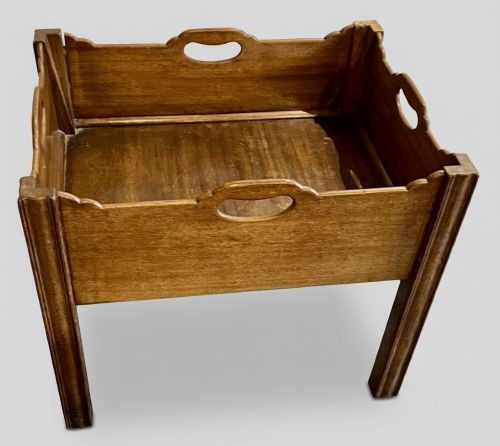
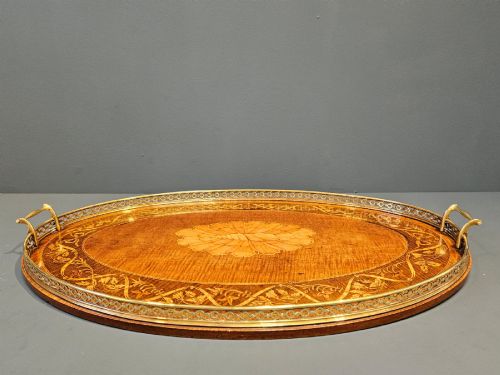
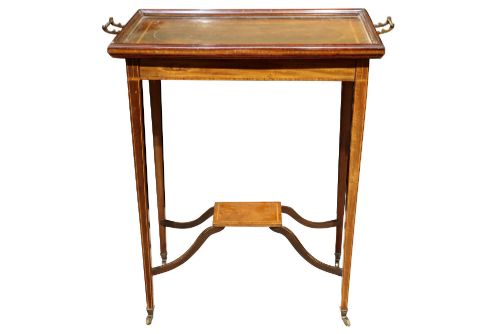
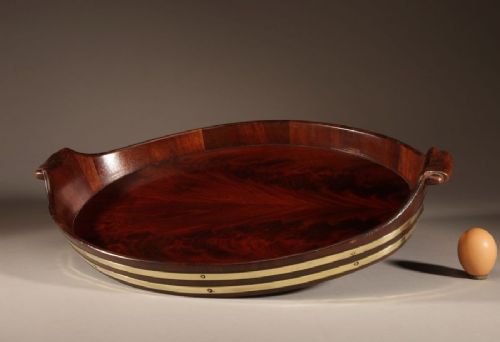
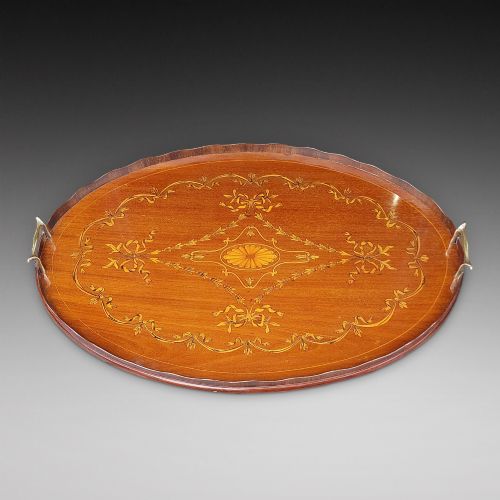
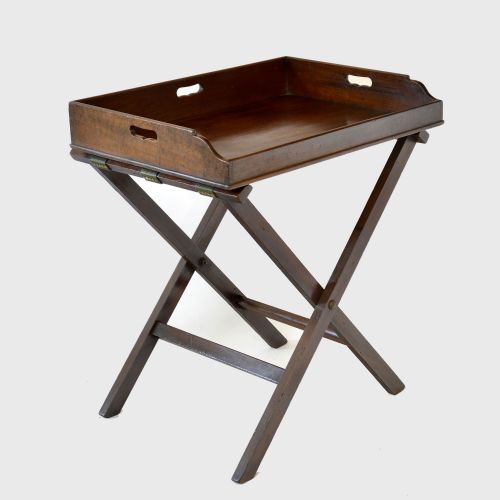
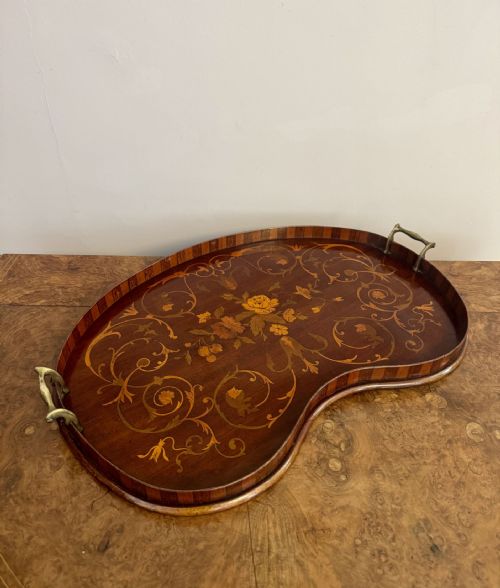
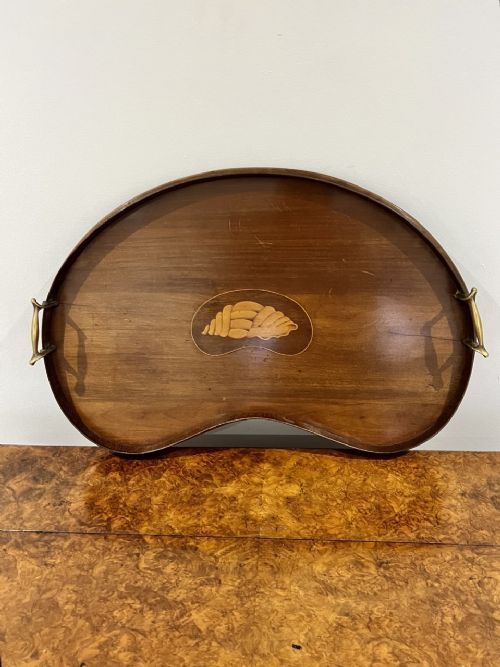
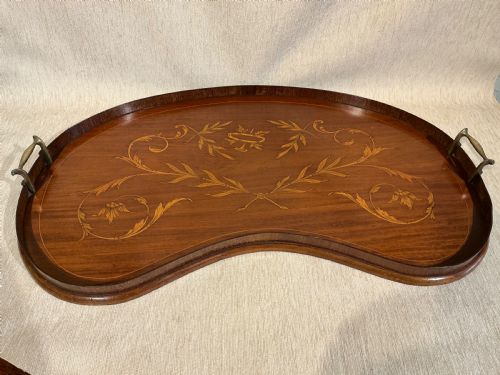
When you search for antique mahogany tray handle, you encounter serving trays, butler's trays, and occasional tables featuring shaped wooden edges or integrated metal grips. These items range from Georgian butler's trays on folding stands to Edwardian oval tea platters and kidney-shaped serving pieces.
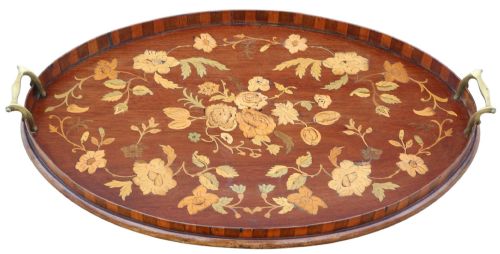
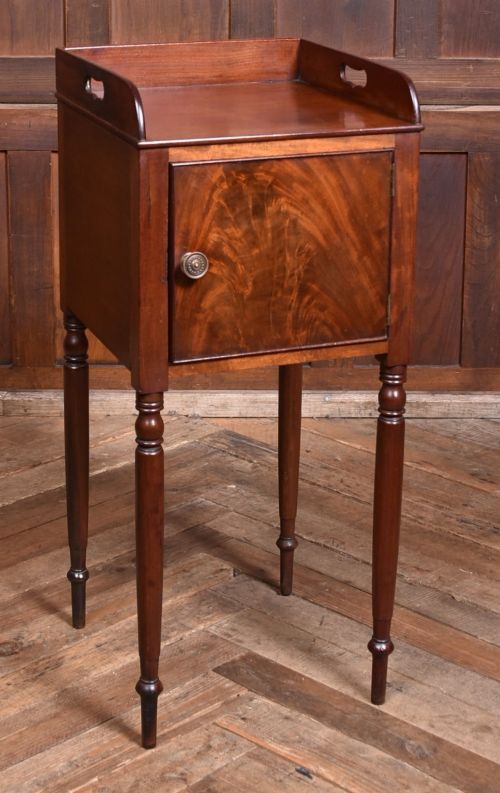
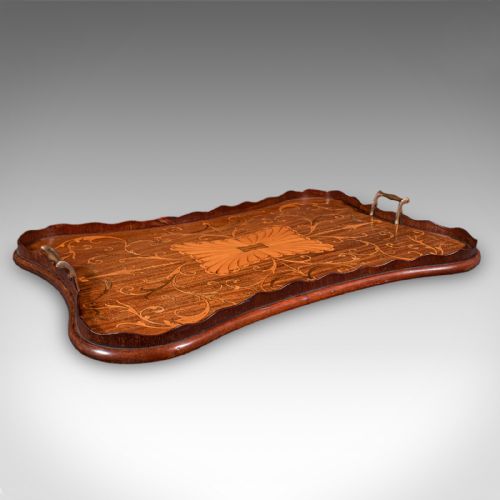
The serving trays and platters dominate the selection, often finished with satinwood inlay or marquetry details. Alongside them, you find tray-top bedside cabinets, side tables, and cutlery boxes that utilise the same raised rims and hand grips.
Materials and construction
The primary timber is mahogany, sometimes paired with satinwood inlay, burr yew, or rosewood to create contrasting decorative borders. Workshops incorporated brass for handles, gallery rails, and wine bottle carrier divisions.
Makers shaped the timber using traditional joinery methods, fixing raised gallery edges to base boards and housing brass handles securely into the sides. Inlaid examples demonstrate careful hand-cutting of lighter woods into the dark mahogany surface.
Antique Mahogany Tray Handle Retail Price Guide 2026
Typical asking prices for mahogany tray handle among the pieces listed under this phrase on Sellingantiques today, from the lower quarter to the upper quarter. They describe what is for sale here now, not the wider market.
Listings feature mahogany, brass, satinwood, and glass across Georgian, Victorian, and Edwardian periods.
Assessing the craftsmanship
Quality rests in the crispness of the marquetry inlay and the stability of the timber joints around the tray rims. Superior pieces show precise alignment of satinwood banding and securely fitted brass hardware that sits flush with the wood.
Thick, solid mahogany bases with restrained, elegant handles outshine simpler versions cut from thinner boards. The depth of the grain and the smoothness of the finished surface distinguish standard utilitarian items from decorative pieces meant for display.
The Antique Mahogany Tray Handle Glossary
- Butler's tray
- A portable serving platter with hinged or fixed sides, frequently lifted off its folding stand for service. It allows servants to transport glassware and silverware efficiently.
- Marquetry
- Decorative veneer work created by fitting pieces of different coloured wood into a background design. It forms floral or geometric motifs on the surface of Edwardian and Victorian trays.
- Gallery
- A raised wooden or metal rim running around the edge of a tray or table top. This border prevents items from sliding off during transport.
- Kidney-shaped
- A curved, bean-like outline popular in Edwardian serving trays. The indentation allows the carrier to hold the tray closer to the body.
- Satinwood inlay
- Contrasting pale yellow wood inserted into the darker mahogany ground. It outlines borders and geometric centre medallions.
Antique Mahogany Tray Handle: Frequently Asked Questions
How were butler's trays used?
Butler's trays served as portable surfaces for carrying tea services, meals, and drinks from kitchens to entertaining rooms. The removable tray sat atop a folding wooden stand when in use.
Servants lifted the tray directly off the base to clear tables or transport items between floors. This dual function made them practical items in large households.
How do I date a mahogany tray?
Dating relies on timber selection, inlay styles, and hardware forms across different design periods. Georgian pieces typically display clean lines and heavy timber construction.
Edwardian and Victorian examples frequently incorporate delicate marquetry, satinwood inlay, and shaped kidney outlines. Brass handles also shift in weight and profile from the eighteenth century to the twentieth.
Can I use these trays for serving?
Solid mahogany and brass-handled trays remain functional for carrying items, provided you protect the antique timber finish from moisture and heat. Many people continue to use them for afternoon tea or drinks.
Consider placing a protective liner inside delicate inlaid examples to prevent scratches and staining on the antique wood surface.